

I used to think mindful eating required a silent room, expensive organic produce, and enough zen to rival a monastery. Honestly, that kind of high-maintenance approach felt like just another chore on my already overflowing to-do list. I’d find myself staring at a bowl of overpriced kale while my brain was still stuck in a back-to-back meeting cycle, feeling like a failure because I wasn’t “present” enough. The truth is, most of the wellness industry makes mindful eating sound like a luxury for people with unlimited time, but for those of us navigating a busy career, that’s just not realistic.
I’m not here to sell you on a lifestyle overhaul or a complicated ritual that requires a meditation cushion. Instead, I want to share the small, repeatable systems I’ve built to reclaim my relationship with food without adding more decision fatigue to my day. We’re going to focus on practical, low-friction habits that actually fit into a standard workday. My goal is to help you build a better foundation through simple, sustainable shifts that respect your time and your sanity.
Table of Contents
Mastering Hunger Cues Recognition Every Day

For most of my twenties, I treated my body like a machine that just needed fuel at arbitrary intervals. I’d eat because it was 12:00 PM, or because I was stressed about a quarterly report, or simply because there was a bag of chips sitting on my desk. To fix this, I had to stop looking at the clock and start looking inward. Developing actual hunger cues recognition isn’t about willpower; it’s about data collection. I started by pausing before I reached for a snack and asking myself a simple question: “Is my stomach actually empty, or am I just looking for a distraction?”
The real shift happens when you begin to distinguish between physical hunger and the urge to eat out of boredom or stress. This is where emotional eating awareness becomes your most valuable tool. When a craving hits, I try to sit with that feeling for five minutes without acting on it. I’ve found that if I pay close attention to my satiety signals and nutrition levels throughout the day, the frantic “need to eat everything in sight” feeling starts to dissipate. It’s not about restriction; it’s about learning to listen to the subtle signals your body has been sending you all along.
Building Sensory Awareness During Meals
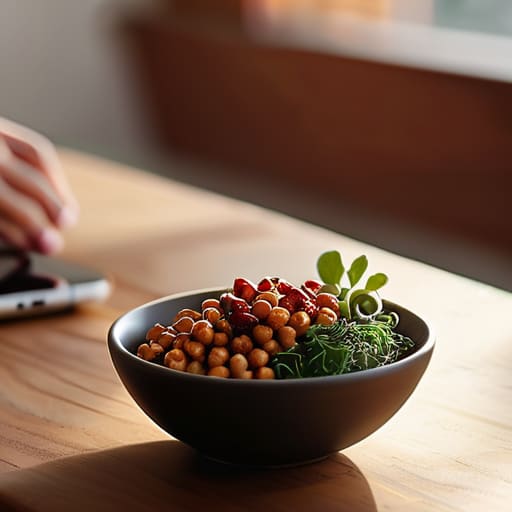
I’ve found that most of us treat eating like a background task—something we do while scrolling through emails or catching up on a podcast. But when you’re distracted, you lose the connection to the actual experience. I started practicing sensory awareness during meals by making a simple rule: for the first five minutes of every lunch, no screens allowed. I focus entirely on the texture of the food, the temperature, and even the specific spices being used. It sounds a bit granular, but it forces you to actually be present in the moment rather than just refueling on autopilot.
This isn’t about turning every meal into a formal meditation session; it’s about noticing the nuances. When you pay attention to the crunch of a vegetable or the richness of a sauce, you start to pick up on your satiety signals and nutrition much more effectively. You’ll find that you notice when a flavor starts to fade or when a certain texture no longer feels satisfying. By engaging your senses, you create a natural buffer that prevents overeating, making the entire process feel less like a chore and more like a deliberate, restorative part of your day.
Five Small Systems to Simplify Your Relationship with Food
- The “One-Device Rule.” I used to eat lunch while scrolling through emails or catching up on news, and I never actually tasted anything. Try this: pick one meal a day where your phone stays in another room. No screens, no distractions—just you and the food. It sounds simple, but it’s a massive win for your focus.
- Practice the “Halfway Check-in.” About halfway through your plate, put your fork down for sixty seconds. Use that minute to check in with your stomach. Ask yourself, “Am I actually still hungry, or am I just eating because the food is there?” It’s a quick way to stop the autopilot mode that leads to overeating.
- Slow down the mechanics. When I’m working on a furniture restoration, I can’t rush the sanding process or I’ll ruin the wood. Eating is the same. Try to take smaller bites and actually chew. It feels a bit strange at first, but it gives your brain the time it needs to register that you’re actually getting full.
- Create a dedicated “eating zone.” I’ve realized that eating at my desk while managing operations is a recipe for stress-eating. Designate one spot—even if it’s just a specific chair at the kitchen table—where you only eat. This helps your brain associate that space with nourishment rather than work or chaos.
- Clean as you go, but keep it light. Don’t let the fear of a mountain of dishes stop you from enjoying a meal. I keep a small system where I clear my plate and rinse it immediately after eating. It prevents the “post-meal dread” and keeps your kitchen environment from becoming another source of mental clutter.
Finding Your Rhythm

At the end of the day, mindful eating isn’t about following a rigid set of rules or achieving some impossible standard of culinary perfection. It’s really just about the small, intentional shifts we discussed: learning to listen to your body’s actual hunger signals instead of eating out of habit, and taking a moment to actually taste the food in front of you. When you stop treating meals like a task to be checked off a list and start treating them as a way to reconnect with yourself, the mental clutter begins to fade. It’s about moving away from mindless consumption and toward a system of intentionality that respects both your body and your time.
I know how easy it is to fall back into the old patterns—scrolling through your phone while eating a sandwich at your desk or inhaling a meal while catching up on emails. I’ve been there, and I still have those days. But remember, we aren’t chasing a flawless streak; we are just building better foundations. If you slip up, don’t sweat it. Just aim to make your next meal a little more present than your last. Start small, stay consistent, and trust that reclaiming your relationship with food is one of the most effective ways to reclaim your mental space.
Frequently Asked Questions
How do I stay mindful when I only have twenty minutes for lunch between meetings?
The twenty-minute lunch is a classic modern trap. When you’re racing between meetings, your brain is already in the next task before you’ve even swallowed your first bite. My rule is simple: leave the phone at your desk. Even if you only have fifteen minutes, dedicate the first five to just sitting and breathing. It’s not about a long meditation; it’s about creating a mental buffer so you aren’t eating on autopilot.
Is it possible to practice mindful eating while I'm eating out with friends or family?
Absolutely. In fact, social dining is where these systems actually get tested. You don’t need to sit in silence or ignore the conversation—that’s not realistic. Instead, try using the meal as an anchor. Take a beat to actually taste your first few bites before jumping into the chatter. It’s about finding that balance between being present with your people and being present with your plate. It’s a small, manageable way to stay grounded.
How can I tell the difference between actual physical hunger and just eating because I'm bored or stressed?
I’ve spent a lot of time untangling this myself. My rule of thumb is the “Apple Test.” If I’m actually hungry, I’ll eat a plain apple. If the idea of an apple sounds unappealing, but a bag of chips sounds amazing, I’m not hungry—I’m just seeking a dopamine hit from stress or boredom. Physical hunger builds gradually; emotional hunger hits like a sudden wave. When in doubt, wait fifteen minutes. Usually, the urge passes.
What should I do if I realize I've already finished my meal without actually paying attention to it?
Don’t beat yourself up; I’ve been there more times than I care to admit. When you realize the plate is empty and your brain hasn’t even registered the flavor, don’t try to force a “zen moment” mid-cleanup. Instead, just take three deep breaths. Use that as your reset button. Acknowledge it, forgive the lapse, and commit to making your very next snack or meal a conscious one. Progress, not perfection.