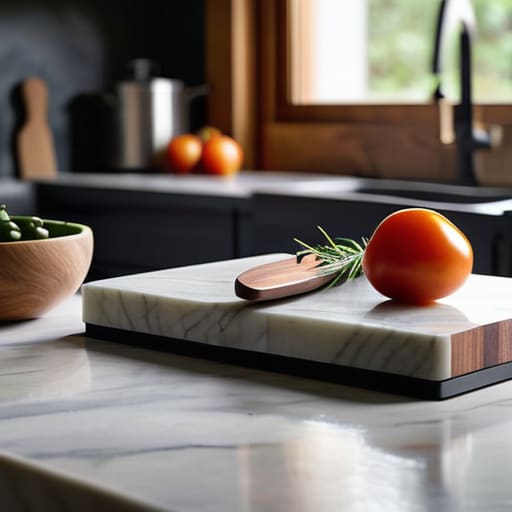

I used to think that a “professional” kitchen required a mountain of specialized equipment, most of which ended up gathering dust in the back of my pantry. I spent years falling for the marketing hype, thinking that more tools automatically meant more efficiency, only to realize I was just creating more clutter and decision fatigue. The truth is, most of those expensive contraptions are just noise. If you’re looking to actually streamline your evening routine, you need to focus on finding the few kitchen gadgets worth buying that actually serve a purpose and earn their spot on your counter.
In this post, I’ve narrowed it down to eight specific items that have actually made a dent in my daily chaos. I’m not interested in the flashy, single-use gadgets that break after a month; I’m looking for the reliable workhorses that save you time and mental energy. I’ll walk you through my personal shortlist of essentials that help me transition from a long workday to a calm, organized dinner without the usual kitchen friction. Let’s get into the tools that actually help you reclaim your time.
Table of Contents
The Reliable Chef’s Knife
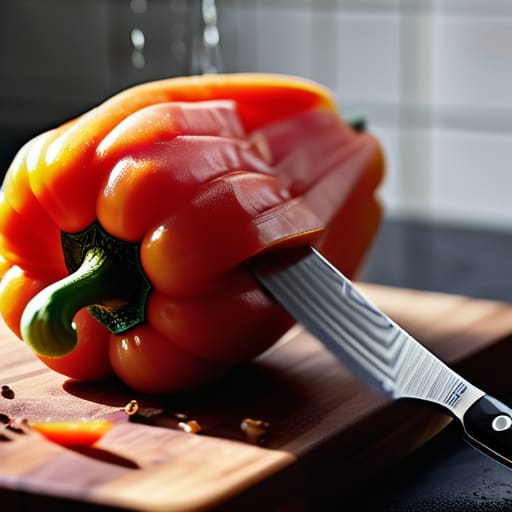
I used to think I needed a twelve-piece knife block sitting on my counter, looking impressive but serving almost no purpose. After years of wrestling with dull, mismatched blades, I realized that a single, high-quality chef’s knife is the only real requirement for a functional kitchen. When you have a blade that actually holds an edge, chopping vegetables stops feeling like a frustrating chore and starts feeling like a meditative part of the process.
A Solid Cast Iron Skillet
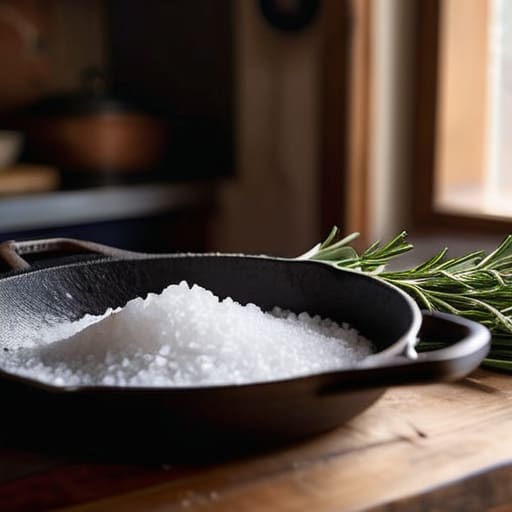
If there is one thing my mid-century furniture restoration has taught me, it’s that things built to last are always worth the initial effort. The same applies to a cast iron skillet. Unlike the non-stick pans that start flaking and losing their coating after six months of heavy use, a cast iron pan is essentially indestructible. It’s a piece of equipment that actually gets better the more you use it.
The Digital Instant-Read Thermometer
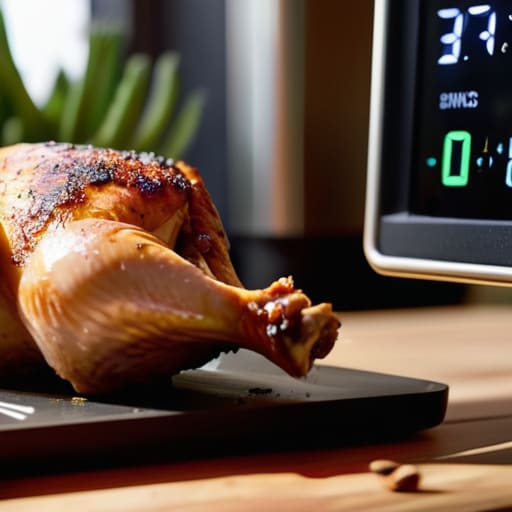
We’ve all been there—standing over a chicken breast, wondering if it’s actually safe to eat or if we’re about to serve something incredibly dry. I used to rely on “feel” or those old-school analog thermometers that were notoriously inaccurate. Switching to a simple, digital instant-read thermometer was one of the easiest ways I found to remove the guesswork from my evening routine.
A High-Quality Microplane
There are some tools that seem almost trivial until you actually use them, and then you wonder how you ever lived without them. The microplane is exactly that. Whether it’s zesting a lemon, grating a block of hard parmesan, or even processing ginger, this tool does in seconds what a standard box grater struggles to do with much more mess and effort.
The Heavy-Duty Cutting Board
Most people overlook the cutting board, treating it as an afterthought, but a flimsy, thin board is a recipe for a cluttered and unstable workspace. I transitioned to a thick, heavy wooden board a few years ago, and it changed the entire ergonomics of my kitchen. A substantial board stays put on the counter, providing a stable surface that makes chopping feel much more secure.
A Simple Electric Kettle
I’ve found that my morning ritual is heavily dictated by how quickly I can get my coffee or tea started. An electric kettle is one of those items that streamlines a very specific, very frequent task. Instead of waiting for a pot of water to boil on the stove, I can have hot water ready in a fraction of the time, which helps me maintain my momentum during those early hours.
Silicone Baking Mats
If you want to declutter your kitchen, you need to start looking at your parchment paper and aluminum foil usage. I eventually swapped those out for reusable silicone baking mats, and the difference in both my waste production and my mental load has been significant. You don’t have to worry about whether you have enough supplies left in the pantry; you just grab the mat and go.
The Versatile Dutch Oven
There is a certain peace of mind that comes with owning a piece of cookware that can handle almost any task. A Dutch oven is that tool for me. It can braise a stew, bake a loaf of sourdough, or even serve as a heavy-duty pot for boiling pasta. It’s the ultimate multi-tasker for someone who wants to keep their cupboard space uncluttered.
Building a Kitchen That Works for You
At the end of the day, the goal isn’t to collect a mountain of shiny new tech that just ends up gathering dust in a cluttered cabinet. Whether it’s a reliable chef’s knife that makes prep work feel effortless or a simple electric kettle that streamlines your morning ritual, the best tools are the ones that actually reduce friction in your daily routine. We looked at items that serve a clear purpose, focusing on durability and utility over novelty. By selecting a few high-quality pieces that solve real problems, you aren’t just buying gadgets; you are investing in a more efficient kitchen ecosystem that respects your time and your energy.
I know how easy it is to fall into the trap of thinking we need a professional-grade setup to cook well, but the truth is much simpler. A great kitchen isn’t defined by how many gadgets you own, but by how much mental space you reclaim when you step up to the counter. Don’t feel pressured to overhaul everything at once. Just pick one or two areas where you feel the most friction and start there. We aren’t aiming for a showroom; we are just trying to build a better foundation for the way we live, one small, intentional tool at a time.
Frequently Asked Questions
How do I know if a gadget is actually a time-saver or just more clutter for my counters?
I always use a simple rule of thumb: if it takes more time to clean and set up than it does to actually do the task, it’s clutter. Before I buy anything, I ask myself if it solves a daily friction point or if it’s just a “one-off” solution for a problem I rarely have. If it doesn’t earn its spot on the counter through frequent, effortless use, it stays off my list.
Are there specific high-quality brands I should stick to if I want tools that actually last?
Look, I’ve learned the hard way that “cheap” often ends up being expensive when you have to replace it six months later. If you want tools that survive a decade of daily use, stick to the names that prioritize build quality over flashy marketing. For knives, you can’t go wrong with Wüsthof or Shun. For small appliances, look toward Vitamix or Breville. They might cost more upfront, but they’re built to be part of your system, not a recurring expense.
For someone with a small kitchen, which of these are truly essential versus just "nice to have"?
If you’re working with limited counter space, you have to be ruthless. For me, the absolute essentials are the chef’s knife and the cast iron skillet; they do a thousand jobs without taking up much room. Everything else—the specialized gadgets or the extra electrics—is a “nice to have.” If a tool doesn’t serve at least three different purposes, it’s just clutter. Don’t let your kitchen become a graveyard for single-use items.
How much should I realistically budget to upgrade my kitchen without overcomplicating my finances?
Don’t try to overhaul everything at once—that’s how you end up with a cluttered kitchen and a stressed bank account. I like to treat upgrades as a rolling investment. Instead of a massive lump sum, I budget for one “high-impact” tool per quarter. Aim for $50 to $150 a month. This keeps the cost manageable and ensures you’re only buying things you’ve actually integrated into your daily routine.