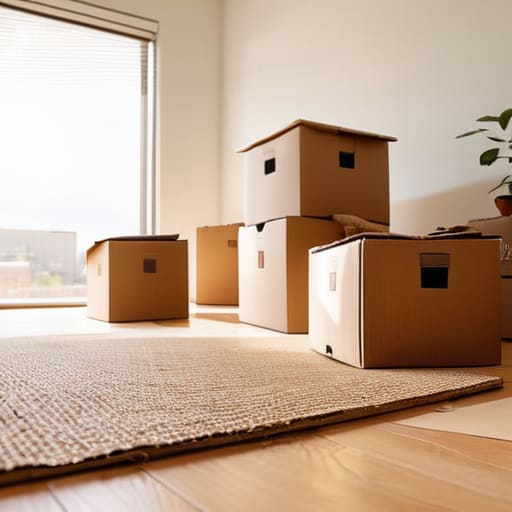

I still remember sitting on the floor of my very first studio, surrounded by a mountain of cardboard boxes and feeling completely paralyzed. I had spent weeks scrolling through endless, bloated “must-have” lists online, convinced that I needed a high-end espresso machine and a ten-piece cookware set just to survive the first week. The reality was much messier; I was exhausted, broke, and realized that most of what I’d planned to buy was just unnecessary noise. That overwhelming feeling is exactly why most generic first apartment checklist guides fail you—they focus on what you want to show off rather than what you actually need to function.
I’m not here to help you curate an Instagram-ready showroom or drain your savings before you’ve even unpacked your socks. Instead, I want to share a stripped-back, intentional approach to setting up your space. My goal is to provide you with a functional foundation—a curated set of essentials that prioritize utility over clutter. We’re going to build a system that helps you settle in without the mental fatigue, ensuring your new home is a place of calm and order from day one.
Table of Contents
Moving Day Essentials for a Calm Transition
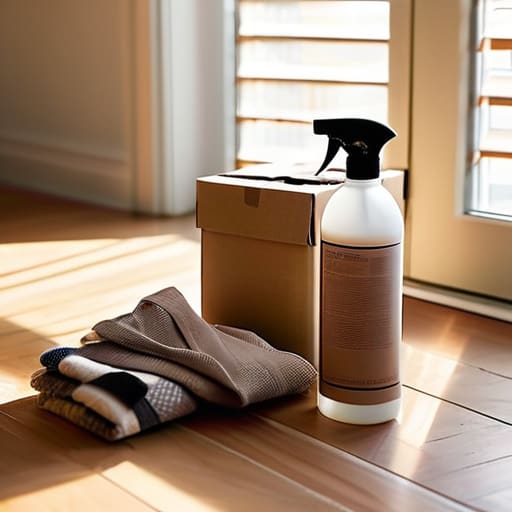
When the movers finally leave and the silence of your new place sets in, the last thing you want is to be digging through taped-up cardboard boxes just to find a toothbrush or a phone charger. I’ve learned the hard way that the chaos of moving day is usually fueled by a lack of preparation for the first twelve hours. To avoid that mental drain, I keep a dedicated “Day One” bag—think of it as a survival kit for adults. This should include your basic toiletries, a change of clothes, any necessary medications, and a few essential cleaning supplies for renters like multi-purpose spray and a roll of paper towels. You’ll be surprised how much a quick wipe-down of the kitchen counters can make a space feel like home rather than just a temporary landing pad.
Beyond the hygiene basics, focus on immediate comfort. You don’t need a full house setup by sunset, but having your bedding laid out and your basic tools handy will save you a massive headache. If you’ve planned your transition well, you won’t be scouring the aisles of a big-box store at 10 PM. Instead, you can simply unpack, grab a glass of water, and actually breathe. This is about protecting your peace during a naturally high-stress transition.
A Moving Checklist for Young Adults Who Value Peace
When you’re staring at a mountain of cardboard boxes, it’s easy to feel like you need to furnish the entire place by Tuesday. But if you want to protect your peace, you need to resist the urge to buy everything at once. I always tell people to treat their first month like a slow rollout. Start with a functional kitchen starter kit list—think one good chef’s knife, a versatile pan, and basic plates—rather than a twelve-piece set you’ll never use. By focusing on utility over volume, you avoid that overwhelming feeling of being “unfinished” and keep your mental space clear.
The same logic applies to your living area. Instead of scrolling through endless catalogs, lean into a more intentional first apartment furniture guide approach. Prioritize the pieces that actually support your daily rhythm, like a comfortable chair for reading or a sturdy desk for work. If you find yourself tempted by cheap, disposable items just to fill a corner, stop. It’s much better to live with a few empty spaces for a while than to clutter your new sanctuary with things that don’t actually serve you. Build your foundation slowly, one intentional piece at a time.
Five Ways to Avoid the Moving-Day Meltdown
- Don’t shop for decor until you’ve lived in the space for a week. It’s tempting to buy a rug or a lamp the moment you get the keys, but you need to see how the natural light hits the room and how you actually move through the floor plan first. Avoid the clutter of things that don’t actually fit your life.
- Prioritize your “Day One” kit. I always keep a specific box—or even just a backpack—with my charger, a change of clothes, basic toiletries, and my fountain pen. If you can find your essentials without digging through twenty taped-up cardboard boxes, you’ve already won half the battle.
- Focus on the “Big Three” of utility: sleep, hygiene, and light. You don’t need a fully stocked kitchen by Tuesday, but you absolutely need a way to sleep comfortably, a way to shower, and enough light to see what you’re doing. Everything else is secondary.
- Invest in quality tools, not just quantity. Instead of a massive, cheap toolkit, just get one decent hammer, a multi-bit screwdriver, and a measuring tape. You’ll spend less time frustrated by flimsy equipment and more time actually getting settled.
- Build a “Maintenance Log” from the start. As I unpack, I use my notebook to jot down any quirks of the apartment—the weird squeaky floorboard, the light switch that sticks, or the exact way the window locks. It turns a chaotic new environment into a predictable system you can manage.
Finding Your Rhythm
At the end of the day, this checklist isn’t about checking off every single box or owning every gadget you see in an IKEA catalog. It’s about prioritizing the essentials—your sleep, your hygiene, and your ability to make a simple meal—so you don’t feel completely overwhelmed during the first week. By focusing on these foundational systems rather than trying to decorate an entire living room in one afternoon, you avoid the decision fatigue that usually turns moving day into a nightmare. Remember, the goal is to build a functional environment that serves you, rather than a space that demands constant upkeep and mental energy.
As you unpack those last few boxes, try to remember that your apartment is a work in progress, just like you are. You don’t need to have the “perfect” setup by next Tuesday; in fact, I’ve found that the best spaces are the ones that evolve slowly as you learn how you actually live. Give yourself permission to leave a corner empty or to wait a few months before buying that expensive coffee maker. Focus on creating a sense of calm first, and the rest will follow in its own time. You’ve got the foundation laid; now, just enjoy the process of making it yours.
Frequently Asked Questions
How do I decide what to keep from my old place and what to leave behind without feeling guilty?
I used to struggle with this, thinking every object held a memory. But here’s the system I use: if you haven’t touched it in six months, it’s just physical weight. Ask yourself, “Does this serve my current life, or am I just holding onto a version of myself that doesn’t exist anymore?” If it doesn’t fit your new space or your current routine, let it go. You aren’t losing memories; you’re just clearing room for new ones.
What are the absolute non-negotiable kitchen items I need for day one versus what can wait a month?
On day one, keep it functional: one decent chef’s knife, a single cast-iron skillet or saucepan, a cutting board, and two sets of plates and utensils. That’s it. You can eat takeout while you figure out the rest. Things like a blender, a toaster, or a full spice rack can wait a month. Don’t let the “perfect kitchen” dream create decision fatigue before you’ve even unpacked your first box.
How can I set up a budget for these initial costs so I don't blow my savings in the first two weeks?
The trick isn’t a complex spreadsheet; it’s about separating “survival” from “style.” I use a simple two-bucket system. Bucket one is your non-negotiables: security deposit, utility connections, and basic groceries. Bucket two is everything else—that mid-century lamp or the fancy rug. Before you swipe your card, look at your total savings and cap your “Bucket Two” spending at 20%. If it doesn’t fit the cap, it waits until month two.
Are there ways to furnish the space sustainably or cheaply without it feeling like a cluttered mess?
I’ve learned the hard way that a room full of “cheap” stuff quickly becomes a room full of junk. To keep things sustainable and budget-friendly without the clutter, I follow one rule: buy for quality, even if it’s used. Scour Facebook Marketplace or local thrift shops for solid wood pieces—they last longer and hold their value. If you can’t afford a high-quality piece yet, wait. It’s better to have an empty corner than a cheap plastic table that you’ll want to throw away in six months.