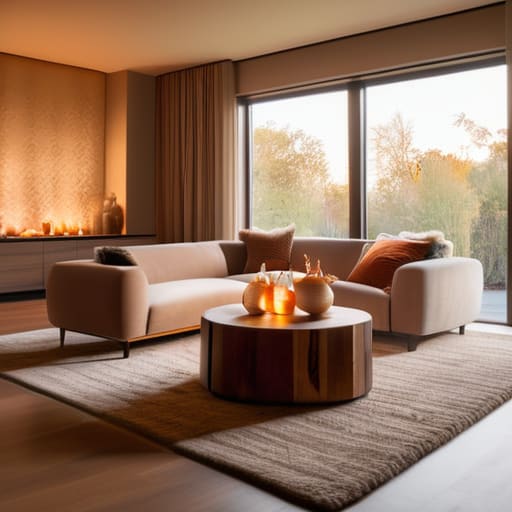

I used to think that upgrading my living space meant buying expensive, designer statement pieces or hiring an interior decorator to overhaul my entire electrical layout. I spent way too much money on a single, massive overhead fixture that ended up making my living room feel more like a sterile hospital ward than a place to unwind. It turns out, most of the advice you find online regarding home lighting tips is unnecessarily complicated, pushing you toward high-end gadgets when all you really need is a better sense of rhythm.
I’m not here to sell you on a complete renovation or a shopping spree. Instead, I want to share the small, repeatable systems I’ve used to transform my own space from a chaotic workspace into a sanctuary. I’ll walk you through a few practical, low-effort adjustments that prioritize how a room actually feels rather than how it looks in a magazine. We aren’t chasing perfection here; we are just building a better foundation for your evening calm.
Table of Contents
Mastering Ambient vs Task Lighting for Mental Clarity
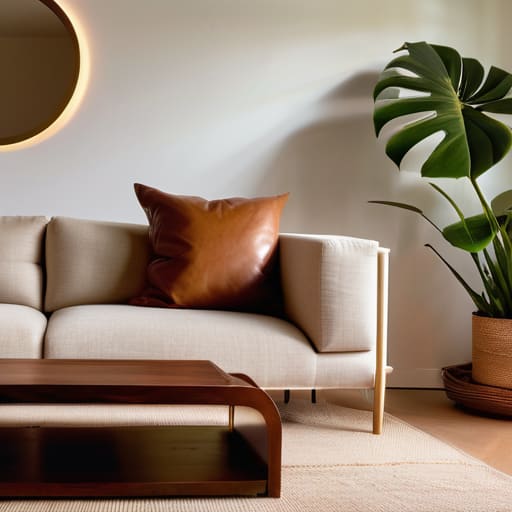
When I first moved into my current place, I made the mistake of relying entirely on that one harsh, overhead fixture in the living room. It felt clinical, like I was working in a cubicle rather than relaxing in my own home. I quickly learned that the secret to a functional space lies in understanding ambient vs task lighting. Ambient lighting is your foundation—it’s the soft, general glow that fills the room so you aren’t stumbling in the dark. But if you rely on it for everything, you’ll end up with a space that feels flat and uninspiring.
To actually get things done without straining your eyes, you need to introduce specific zones. This is where layered lighting techniques become a game changer for your focus. If I’m sitting at my desk working on a side project or reading a book, I don’t want the whole room bright; I just need a dedicated task lamp directed at my workspace. By separating these two, you create a visual boundary that tells your brain exactly what mode you’re in. It’s a simple way to reduce sensory overload and keep your mental space clear, even when the rest of the house is dark.
Choosing Warm vs Cool Light Temperatures to Set the Tone
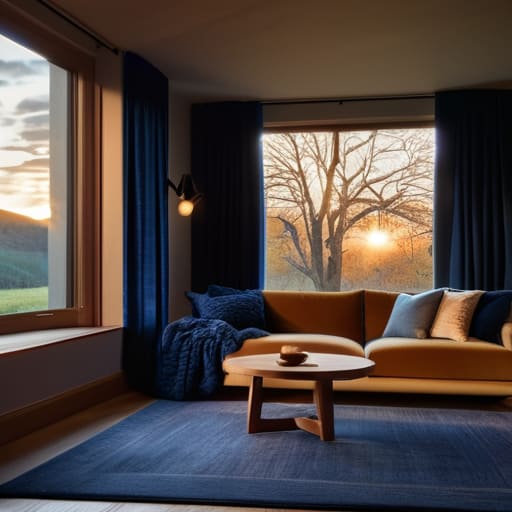
I used to make the mistake of buying whatever bulb was cheapest at the hardware store, only to realize my living room felt like a sterile hospital ward by 7:00 PM. The secret to avoiding that “clinical” feeling lies in understanding warm vs cool light temperatures. For your living areas and bedrooms, I always lean toward warmer tones—think anything in the 2700K to 3000K range. It mimics the soft glow of a sunset, which signals to your brain that it’s time to wind down.
On the flip side, if you’re setting up a dedicated workspace or a kitchen island where you need to focus, don’t be afraid of a slightly cooler, crisper light. A higher Kelvin rating can help sharpen your focus when you’re tackling a spreadsheet or chopping vegetables. However, the real pro move is to avoid a “one-size-fits-all” approach. I’ve found that integrating smart lighting solutions allows you to toggle between these modes depending on the time of day. You can have that bright, energizing light during your morning coffee and then transition to a soft, amber hue once the sun goes down, helping you reclaim your evening calm without much effort.
Five Low-Effort Tweaks to Simplify Your Space
- Stop relying on the “big light.” That harsh overhead fixture is a productivity killer and a mood destroyer. Instead, aim to have at least three smaller light sources in any room—a floor lamp, a desk lamp, and maybe a small accent light—to create depth without the glare.
- Use smart bulbs to automate your transitions. I set mine to slowly dim and warm up as the sun goes down; it’s a small system that signals to my brain it’s time to wind down, removing the need to manually fiddle with switches every night.
- Match your light to your activity. If you’re sitting down with my notebook to plan the week, you need a focused task light. If you’re reading on the sofa, you want something softer. Don’t try to make one single light source do everything.
- Pay attention to where the shadows fall. A single bright light in a dark corner can make a room feel smaller and more cluttered than it actually is. Adding a small lamp in those “dead zones” helps the space feel more open and intentional.
- Keep your light sources at eye level whenever possible. Lighting that hits you directly from above can feel aggressive. By using lamps that sit on tables or floors, the light bounces off walls and surfaces, creating a much more forgiving and calm environment.
Bringing the Light Home
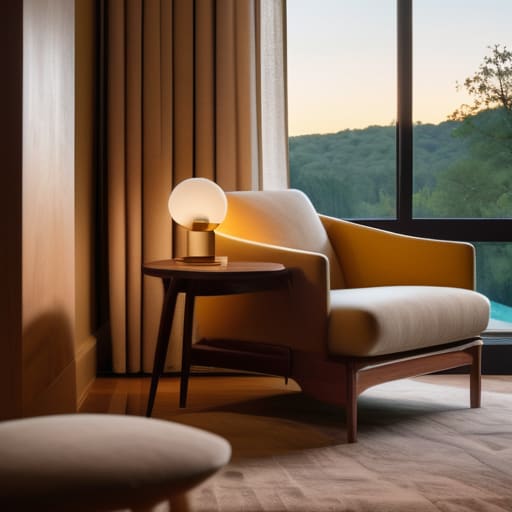
At the end of the day, managing your home lighting isn’t about buying every smart bulb on the market or following a professional interior designer’s blueprint. It’s about the small, intentional choices we discussed: layering your light so you aren’t squinting at a desk lamp in a dark room, and choosing warm tones that actually help your brain unwind when the sun goes down. If you can master the balance between functional task lighting and soft ambient glows, you’ve already done the heavy lifting. You aren’t just decorating a room; you are curating your environment to support the way you actually live and work.
I know how easy it is to get caught up in the chaos of a busy week, feeling like you don’t have the bandwidth to “optimize” your living space. But remember, these shifts don’t have to happen overnight. Start with one lamp, one corner, or one evening ritual. By simplifying how you use light, you’re reclaiming a bit of your mental space and creating a sanctuary that feels truly yours. You don’t need a perfect home to find peace; you just need a solid foundation and a little bit of intentionality. Now, go dim those overheads and take a breath.
Frequently Asked Questions
How do I figure out how many lamps I actually need without overspending on fixtures?
Start with your “zones” rather than a shopping list. I always look at a room and identify where I actually do things: reading in the armchair, working at the desk, or moving through the kitchen. Aim for one overhead source, one task light per activity zone, and one accent lamp for soft corners. If you have those three layers, you’ve covered your bases without needing a showroom’s worth of clutter.
Is there a way to automate my lighting so I don't have to think about it every night?
Honestly, automating your lighting is one of the best ways to kill decision fatigue. I started using smart bulbs and simple plug-in timers to handle the heavy lifting. Set a “Sunset Routine” where your overheads dim and your warm lamps kick in automatically at 7:00 PM. You don’t need a complex smart-home ecosystem; just a few scheduled scenes that signal to your brain it’s time to wind down. Let the house do the work.
How can I improve the lighting in a room that has zero natural sunlight?
When you’re dealing with a room that has zero natural light, you have to stop treating it like a room and start treating it like a canvas. Since you can’t rely on the sun, you need to mimic its rhythm. I always suggest layering. Avoid the “big light” on the ceiling—it’s too harsh. Instead, use several small, warm lamps at different heights. It creates depth and prevents that cave-like, claustrophobic feeling.
Will switching to warmer bulbs actually help me sleep better, or is that just a myth?
It’s definitely not a myth, but it’s more about biology than magic. Warm light—the kind that mimics a sunset—signals to your brain that the day is winding down, helping your natural melatonin production kick in. Cool, blue-toned light mimics midday sun, which keeps you wired and alert. If you want to protect your sleep, try swapping your bedroom bulbs for something warm and dim an hour before bed. It’s a tiny shift that makes a massive difference.