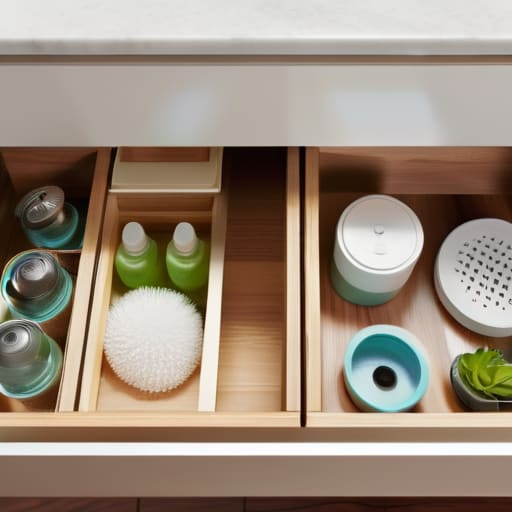

I was elbow-deep in a mixture of spilled dish soap and old sponges the other morning, staring at a chaotic tangle of cleaning bottles that seemed to have a mind of their own. It’s that specific, frustrating moment when you just need one bottle of all-purpose cleaner, but instead, you end up performing a frantic, wet excavation of your own cabinet. Most “organization gurus” will tell you that you need a $50 custom acrylic drawer system or a complete kitchen remodel to fix this, but honestly? That’s just more noise. Learning how to organize under the sink shouldn’t require a massive budget or a degree in interior design; it just requires a bit of logic.
I’m not here to sell you on a lifestyle aesthetic or a mountain of expensive gadgets that will just end up cluttered in a month. My goal is to show you how to build a functional system using simple, repeatable methods that actually work for a busy life. We’re going to focus on small, low-cost tweaks—like grouping by frequency of use and utilizing vertical space—to create a foundation that stays tidy. Let’s skip the perfectionism and just get your space back under control.
Table of Contents
Kitchen Cabinet Decluttering Tips for Mental Clarity
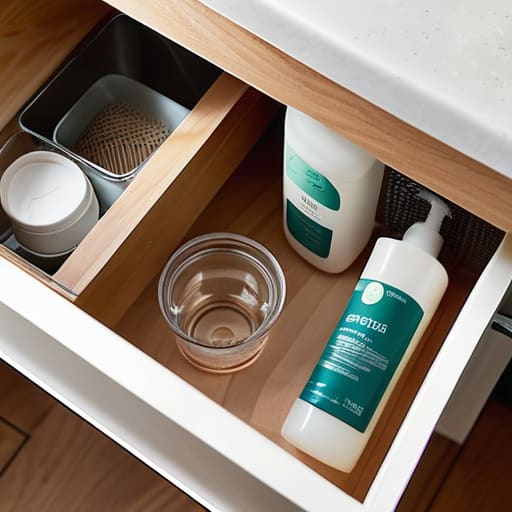
Before we even touch a single sponge or bottle, we need to address the mental weight of the clutter itself. I’ve found that most of us hold onto “just in case” items—that half-empty bottle of specialized wood polish or a random scrub brush from three years ago—that serve no purpose other than to crowd our visual field. When I tackle my own kitchen cabinet decluttering tips, I start by asking one question: Does this actually serve a function in my weekly routine? If it doesn’t, it goes. Clearing the physical excess is the first step toward lowering that background noise in your brain.
Once the excess is gone, it’s time to build a system that prevents the chaos from creeping back. Instead of just stacking bottles in a messy pile, I highly recommend looking into under sink pull out organizers. They act like drawers for the deep, dark corners of your cabinets, meaning you aren’t constantly digging through a graveyard of cleaning supplies to find the glass cleaner. If you want to go a step further, adding some waterproof cabinet liners is a small, low-effort move that protects your wood and makes future cleanups much faster. We aren’t aiming for a Pinterest-perfect showroom; we’re just building a foundation that makes your morning routine feel a little more intentional and a lot less frantic.
Maximizing Small Cabinet Space Without the Chaos
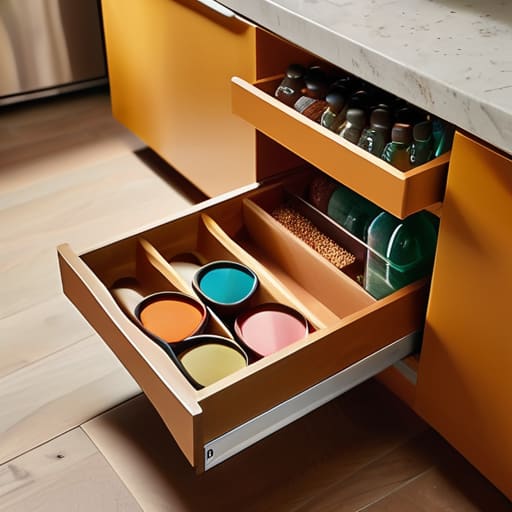
When you’re staring into that dark, cramped void beneath the sink, it’s easy to feel like you’re fighting a losing battle against physics. The trick isn’t to force more stuff into the gap; it’s about changing how you access what’s already there. I’ve found that under sink pull out organizers are absolute game-changers for this. Instead of digging through a mountain of sponges and spray bottles to find that one specific cleaner at the back, these sliding trays bring everything to you. It turns a chaotic pile into a tiered system where everything has a dedicated “parking spot.”
If you’re dealing with a particularly tight squeeze, don’t overlook the vertical real estate. Most of us leave the upper half of the cabinet completely empty while the floor gets buried. I like to use small tension rods or stackable clear bins to create layers of accessibility. This is also the perfect time to invest in some waterproof cabinet liners. They aren’t just about aesthetics; they act as a fail-safe against the inevitable leaks or drips that happen in a high-moisture area. By setting up these small, functional boundaries, you stop the clutter from creeping back in and reclaim that mental space you deserve.
Five Low-Effort Systems to Keep the Chaos at Bay
- Group your stuff by “job type” before you even buy a single bin. I like to separate things into cleaning supplies, sponges/scrubbers, and those random refill bottles. If everything has a category, you aren’t hunting for a specific spray for ten minutes every Tuesday.
- Invest in clear, stackable bins rather than fancy drawer organizers. In my experience, if you can’t see what’s inside at a glance, you’ll end up buying a second bottle of dish soap because you forgot you already had one hiding in the back.
- Use an under-sink pull-out drawer or a tiered sliding organizer to tackle the “depth” problem. The biggest waste of space is that dark corner at the very back of the cabinet; a simple sliding tray brings everything to the front so nothing gets lost in the shadows.
- Utilize the back of the cabinet door with an adhesive organizer or a small tension rod. I use a small rod to hang my spray bottles by their triggers; it keeps them upright, saves shelf space, and makes them incredibly easy to grab when you’re mid-clean.
- Set a “one-in, one-out” rule for your cleaning products. We often collect half-empty bottles of niche cleaners we used once and never touched again. If you buy a new specialty scrub, let an old, nearly empty bottle go. It keeps the footprint small and the system manageable.
Finding Your Flow
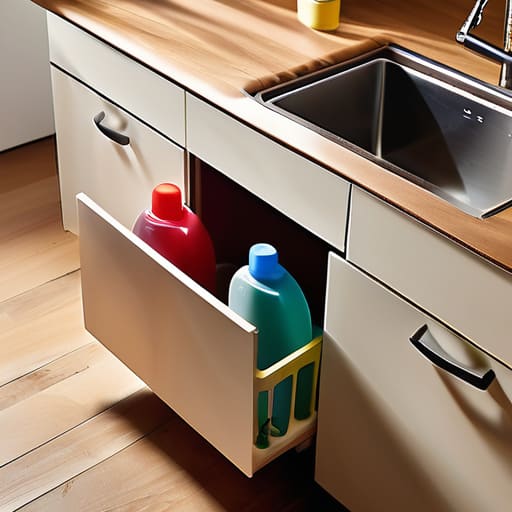
At the end of the day, organizing the space under your sink isn’t about achieving some Pinterest-perfect aesthetic or buying every expensive acrylic bin on the market. It’s about the practical application of what we’ve discussed: clearing out the expired cleaners, grouping your essentials into functional zones, and using simple tools like tiered organizers or small bins to keep things accessible. When you take a few minutes to implement these small systems, you aren’t just tidying a cabinet; you are reducing the friction of your daily routine. Instead of wrestling with a chaotic pile of sponges and half-empty bottles every time you need to clean a dish, you’ll find exactly what you need in seconds.
I know how easy it is to look at a cluttered cabinet and feel like it’s just one more thing on an endless to-do list, but I promise you, the effort is worth the mental dividend. We aren’t trying to overhaul your entire life in a single afternoon; we are just building a better foundation, one small corner at a time. Once you reclaim this tiny bit of physical space, you’ll likely find it gives you a little more mental breathing room elsewhere. So, grab your notebook, pick a starting point, and just get started. You don’t need to be perfect—you just need to be slightly more intentional than you were yesterday.
Frequently Asked Questions
What should I do with all those half-empty cleaning bottles that are taking up way too much room?
Look, I’ve been there—staring at a graveyard of half-empty Windex and dish soap bottles. It’s a huge space-killer. My rule is simple: if it’s less than a quarter full, decant it into a smaller container or just use it up this week. If you have a lot of leftovers, grab a few uniform glass spray bottles. It stops the visual noise and makes the whole cabinet feel intentional rather than just a collection of plastic clutter.
Are there specific types of bins or organizers that actually work, or am I just wasting money on more plastic?
I’ve definitely been there—standing in the middle of a hardware aisle, staring at rows of plastic, wondering if I’m just buying more clutter. Here’s my rule: if it doesn’t have a specific job, don’t buy it. Stick to clear, stackable bins for cleaning supplies so you can actually see the inventory, and use an expandable under-sink drawer organizer for those awkward spots around the pipes. Keep it functional, not fancy.
How do I keep things from getting messy again just two weeks after I've organized everything?
The “two-week relapse” is actually a sign that your system is being tested by reality. Usually, it means the friction is too high—it’s easier to shove a bottle in the back than to put it in its designated bin. To fix this, don’t aim for perfection; aim for ease. Re-evaluate your layout. If a certain item always ends up in a pile, move its “home” closer to where you actually use it.
I have a lot of heavy items like bulk dish soap; how do I store them so I don't break the cabinet shelves?
This is a classic problem. When you’re stacking heavy jugs of soap or oversized cleaners, the weight tends to concentrate in one spot, which is a recipe for bowed or cracked shelving. My rule of thumb? Distribute the load. Instead of stacking them in a single tower, spread them out across the shelf. If you have a lot of bulk items, I actually recommend moving them to a lower cabinet or even a floor-level bin to keep the center of gravity low and your shelves intact.