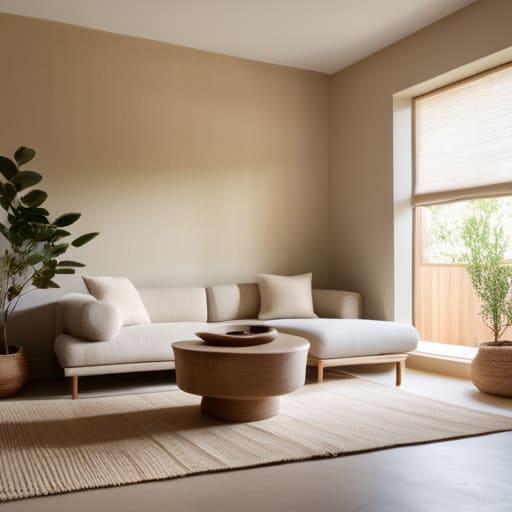

I spent most of my twenties thinking that minimalism meant living in a sterile, white box with nothing but a single chair and a single plant. I used to scroll through those curated interior design feeds, feeling like a failure because my apartment didn’t look like a high-end gallery. But honestly? Most of those minimalist home tips you see online are just expensive ways to buy more stuff to look “simple.” They focus on the aesthetic of emptiness rather than the utility of space, and that’s a trap that only leads to more decision fatigue.
I’m not here to tell you to throw away your memories or live in a vacuum. Instead, I want to share the small, repeatable systems I’ve used to reclaim my own mental space—the kind that actually work when you’re balancing a career and a real life. We aren’t chasing a museum-ready showroom here; we are building better foundations for a home that serves you, not the other way around. Let’s skip the fluff and focus on practical ways to clear the clutter so you can finally breathe again.
Table of Contents
Decluttering Your Living Space Without the Overwhelm
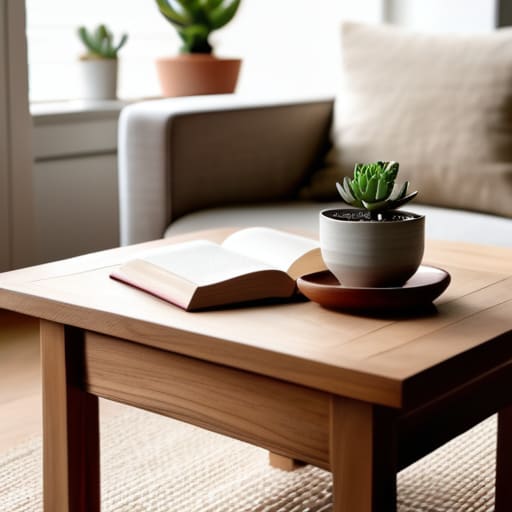
The biggest mistake I see people make is trying to tackle the entire house in a single Saturday. You end up with a mountain of stuff on the floor, a sense of defeat, and a living room that feels even more chaotic than before. Instead, I’ve learned that decluttering your living space works best when you treat it like a series of small, manageable operations. Pick one single drawer, one shelf, or even just your coffee table. When you focus on a tiny area, you aren’t fighting a losing battle against chaos; you’re just making one small, successful decision at a time.
As you go through these small pockets of space, try to shift your mindset from “what can I throw away?” to “what actually serves my life right now?” This is where intentional living habits really take root. If an object doesn’t have a clear function or bring you genuine, quiet joy, it’s likely just taking up mental bandwidth. I like to think of it as creating a capsule wardrobe for your home organization—keeping only the essentials that work well together, rather than hoarding items “just in case.” This approach keeps the process from feeling like a chore and turns it into a way to reclaim your peace.
Reducing Household Clutter Through Small Repeatable Systems
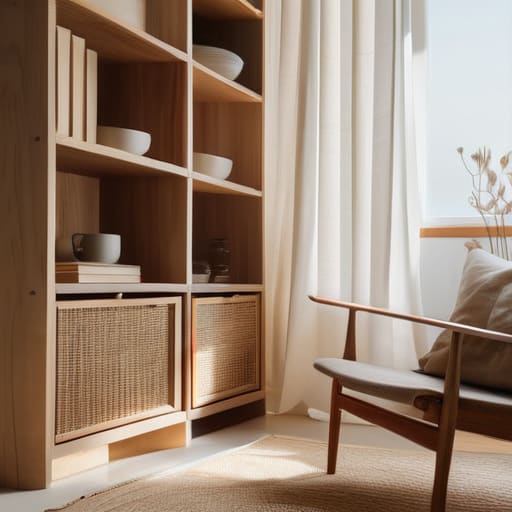
The problem with most advice on reducing household clutter is that it treats cleaning like a massive, one-time event—a marathon you run once a year and then collapse from. In my experience, that’s a recipe for burnout. Instead, I’ve found much more success by treating my home like an operations project. I don’t wait for a “cleaning day”; I rely on small, repeatable systems that prevent the mess from gaining momentum in the first place.
One of my favorite habits is the “one-in, one-out” rule, which is a cornerstone of intentional living habits. If I bring home a new piece of mid-century glassware or a new book, something of similar scale has to leave. It sounds simple, but it forces a moment of pause that stops the slow creep of excess.
I also swear by the “reset” method. Every evening, I spend exactly ten minutes doing a quick sweep of the common areas—clearing the coffee table, putting the mail in its designated spot, and folding that single throw blanket. It isn’t about achieving a museum-quality minimalist aesthetic decor; it’s about ensuring that when I wake up the next morning, I’m not immediately met with a visual to-do list.
Five Small Habits to Keep the Chaos at Bay
- The One-In, One-Out Rule. Every time I bring something new into my apartment—whether it’s a new kitchen gadget or a linen shirt—something old has to leave. It’s a simple way to ensure my belongings don’t slowly creep back up to an unmanageable level.
- The “Reset” Routine. Before I head to bed, I spend exactly ten minutes doing a quick sweep of the common areas. I clear the coffee table, put the remote back, and fold the throw blanket. It’s not about deep cleaning; it’s about making sure I don’t wake up to yesterday’s mess.
- Give Everything a “Home.” Most clutter is just stuff that doesn’t have a designated spot. I’ve found that if I can’t name exactly where an object lives, it’s probably going to end up sitting on the dining table. Assigning a permanent home to your keys, mail, and chargers changes everything.
- The Surface Sweep. I try to keep flat surfaces—like kitchen counters and entry consoles—as clear as possible. Large, empty spaces visually signal to my brain that the room is under control, which immediately lowers my stress levels.
- Digital Decluttering as Home Maintenance. A minimalist home isn’t just physical. I make it a point to clear my desktop and organize my digital files once a week. If my digital workspace is a mess, I find it much harder to maintain the calm I’ve built in my physical living room.
Finding Your Rhythm
At the end of the day, minimalism isn’t about living in a white box or owning nothing at all. It’s about the systems we discussed—the small, intentional habits that prevent the chaos from creeping back in. Whether you’re tackling a single drawer or setting up a nightly reset routine, the goal is to move away from constant maintenance and toward intentional living. By focusing on decluttering without the burnout and building those repeatable systems, you aren’t just cleaning a room; you are reclaiming your mental bandwidth for the things that actually matter.
I know how it feels to look at a messy room and feel like you’ve already lost the battle, but please remember that progress isn’t a straight line. Some days the systems will work perfectly, and other days, life will happen and the clutter will pile up again. That’s okay. We aren’t chasing some impossible standard of perfection; we are just trying to build a better foundation for our daily lives. Just grab your notebook, pick one small corner, and start there. You don’t need to fix everything at once—you just need to start where you are.
Frequently Asked Questions
How do I handle sentimental items that I know I don't use, but I'm not ready to let go of yet?
I used to think letting go of sentimental items meant erasing my history, but that’s not it. If you aren’t ready to part with something, don’t force it—that just creates guilt. Instead, try the “Archive Method.” Move those items out of your daily living space and into a dedicated, single container. This honors the memory without letting the object clutter your mental workspace. Keep the connection, but reclaim your room.
What do I do when my living situation (like a small apartment) makes it feel impossible to stay organized?
When you’re living in a tight space, the enemy isn’t just the stuff—it’s the visual noise. I’ve learned that in a small apartment, every surface is a potential landing strip for clutter. Stop trying to find “more room” and start thinking vertically. Use wall-mounted shelves, over-the-door organizers, or even slim rolling carts. If an item doesn’t have a dedicated, tucked-away home, it’s just taking up mental space you can’t afford to lose.
How can I maintain these systems when my schedule gets chaotic or I'm traveling for work?
When things get chaotic, I stop trying to maintain the full system and switch to “maintenance mode.” If I’m traveling or stuck in back-to-back meetings, I rely on one non-negotiable rule: the “one-touch” principle. If I pick something up, I put it where it belongs immediately rather than setting it down to “deal with later.” It’s not about being perfect; it’s about preventing the pile-up so I don’t spend my first day back drowning in chaos.
Is there a way to embrace minimalism without making my home feel cold or uninviting?
That’s a common fear, and honestly, it’s one I struggled with when I first started decluttering. Minimalism shouldn’t mean living in a sterile white box. For me, it’s about curation, not deprivation. Instead of empty surfaces, focus on “intentional layers”—a well-worn leather chair, a textured wool throw, or that mid-century sideboard I’ve been restoring. If an object has utility and brings you genuine calm, keep it. Aim for warmth through quality, not quantity.