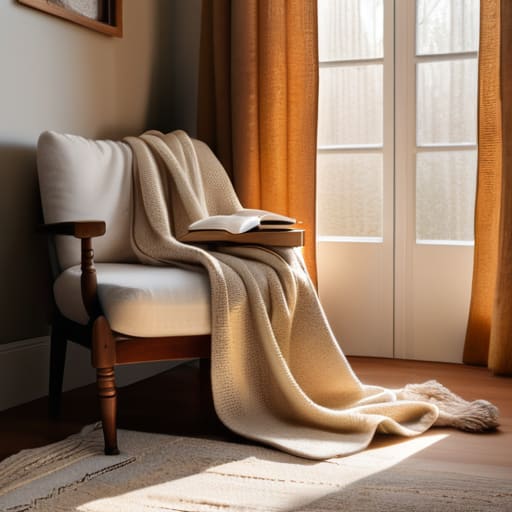

I used to think that having a dedicated space for relaxation was a luxury reserved for people with massive libraries and endless free time. Between managing operations at work and trying to maintain some semblance of a personal life, my brain often felt like a browser with fifty tabs open, all of them playing audio at once. I realized that I didn’t need a whole renovated room to find peace; I just needed a way to signal to my brain that it was time to unplug. Finding the right cozy reading nook ideas isn’t about buying expensive decor—it’s about creating a physical boundary that protects your mental space from the chaos of the day.
In this post, I’ve put together eight practical, low-effort ways to build your own sanctuary, regardless of your square footage. We’re going to skip the Pinterest-perfect fluff and focus on functional comfort and simple systems that actually work for a busy life. From lighting hacks to the importance of tactile textures, these eight items will help you transform a forgotten corner into a repeatable ritual of calm. Let’s get to work on building your foundation for true downtime.
Table of Contents
The Power of a Single Good Chair
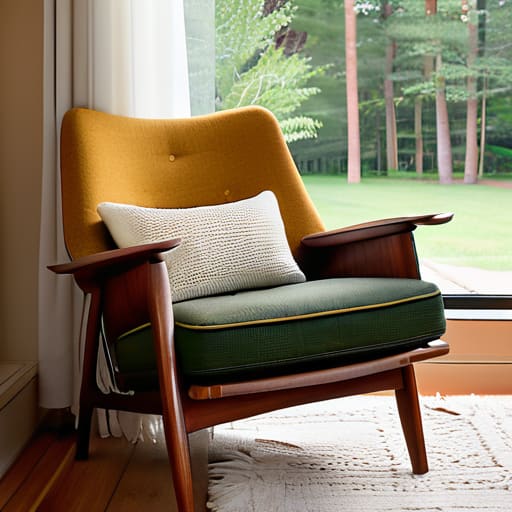
When I was restoring my first mid-century sideboard, I learned that you don’t need a whole room to make a statement; you just need the right piece. For a reading nook, the chair is your anchor. Don’t feel pressured to buy an oversized, expensive recliner that eats up your floor space. Instead, look for something with a high back and firm support that actually holds your posture while you’re lost in a chapter.
Layered Lighting for Mood
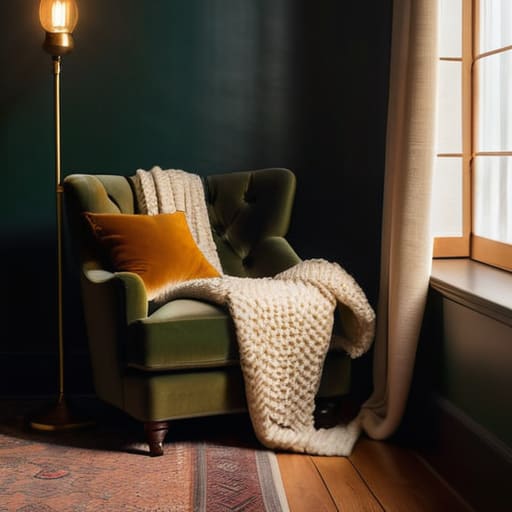
Most of us rely too heavily on overhead lights, which is a recipe for eye strain and a sterile atmosphere. If you want to actually sink into a book, you need light that feels warm and localized. I always recommend a dedicated floor lamp with a warm-toned bulb that can be positioned right over your shoulder. This creates a small pool of light that makes the rest of the room fade into the background.
A Dedicated Surface for Essentials
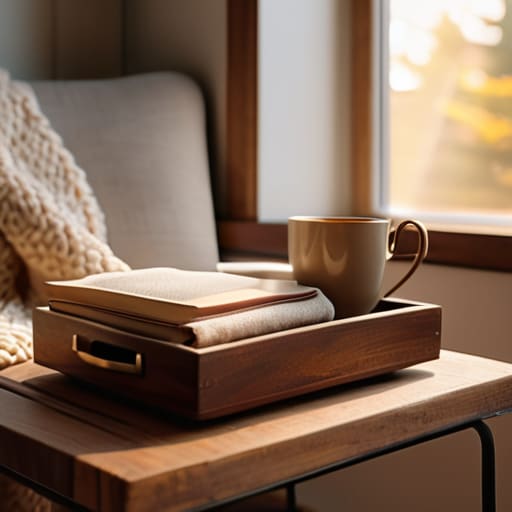
There is nothing that breaks my focus faster than having to set my coffee mug down on the floor or hunt for a coaster. I’ve found that a small, sturdy side table is non-negotiable for a functional nook. It doesn’t need to be much—just enough space to hold a drink, your current read, and maybe a small tray for your glasses.
Texture Over Everything
If a room feels “cold,” it’s usually because there’s too much hard surface and not enough tactile variety. To turn a corner into a sanctuary, you need to introduce textures that invite touch. A heavy knit throw blanket or a high-quality wool rug can instantly change the acoustics and the “feel” of a space.
The Sound of Silence (or Softness)
We live in a world that is constantly demanding our attention through notifications and ambient noise. Part of building a reading nook is managing the auditory environment. If your home is loud, consider a small white noise machine or even a dedicated pair of noise-canceling headphones. It’s about creating a sensory barrier between you and the chaos.
Bringing the Outside In
There is something incredibly restorative about seeing greenery when you’re trying to decompress. I’ve found that placing a single, low-maintenance plant—like a snake plant or a pothos—near my reading spot adds a sense of life to the corner. It makes the space feel less like a piece of furniture and more like a living environment.
Curated Scent Memory
This is a bit of a psychological trick, but it works wonders. Our sense of smell is tied directly to our memory and emotions. If you light a specific candle or use a particular essential oil diffuser only when you are reading, you are essentially training your brain to enter a state of relaxation the moment you catch that scent.
A Home for Your Progress
A reading nook shouldn’t just be a place to sit; it should be a place that honors your interests. A small, dedicated shelf or even a stylish basket to hold your “To Be Read” pile can make the space feel much more personal. There is a unique satisfaction in seeing a growing stack of books that you are actually excited to get to.
Finding Your Quiet Corner
At the end of the day, building a reading nook isn’t about following a strict design blueprint or buying every expensive piece of decor you see on social media. It’s really just about the small, intentional choices—the right lighting, a comfortable seat, and a dedicated spot to put your coffee. Whether you’re repurposing a corner of your bedroom or setting up a small tray in your living room, the goal is to create a functional sanctuary that works for your specific lifestyle. You don’t need a massive library or a custom-built alcove; you just need a space that invites you to sit down and actually stay a while.
I know how easy it is to let the chaos of work and daily errands crowd out our personal time, but I’ve learned that these little rituals are what keep us grounded. Your reading nook is more than just furniture; it’s a system for stillness in a world that constantly demands our attention. Don’t worry about making it look perfect for a photo. Just focus on making it feel right for you. Start small, be consistent, and let this little corner be the place where you finally get to reclaim your mental space.
Frequently Asked Questions
I live in a tiny studio apartment; how can I create a reading nook without it taking over my entire living space?
I hear you—living in a studio means every square inch has to work overtime. Don’t try to carve out a whole new room; instead, think vertically or use “zones.” A single oversized floor pillow in a corner or a slim, wall-mounted floating shelf can create a dedicated reading spot without eating your floor space. The goal isn’t a separate room, just a small, intentional boundary that tells your brain, “It’s time to unplug.”
What are some budget-friendly ways to make a corner feel cozy if I can't afford new furniture right now?
Look, I’ve been there. When I was first starting out, my budget was nonexistent, but I learned that coziness is more about texture and light than expensive pieces. Start by layering what you already have—grab that extra throw blanket or a couple of floor pillows to soften the edges. Then, swap a harsh overhead light for a cheap warm-toned lamp. It’s about creating a soft perimeter that tells your brain it’s time to slow down.
How do I balance creating a relaxing reading spot with the need to keep my home looking organized and clutter-free?
The trick is to treat your nook as a “closed system” rather than an extension of your living room. I use a small, dedicated wooden tray or a slim rolling cart to contain the essentials—my current book, a candle, and my notebook. If it’s on the tray, it’s part of the ritual; if it’s not, it goes back in its place. Keep the footprint small, and the clutter won’t bleed into the rest of your space.
What kind of lighting works best for reading in a small nook without causing eye strain or making the room feel too dark?
The trick is to avoid fighting the darkness of the room; instead, layer your light. I always lean toward a dedicated task lamp with a warm-toned LED bulb—look for something around 2700K. This gives you enough focused light on the pages without that harsh, clinical glare. If you can, position it so the light hits the book from the side rather than directly overhead. It keeps the shadows soft and your eyes relaxed.