

I still remember the smell of stale coffee and dust in my first studio apartment, sitting on a milk crate surrounded by a sea of half-taped cardboard boxes. I had spent weeks following every “expert” checklist online, yet I still ended up spending my first night in the new place hunting for a single roll of packing tape and my toothbrush. Most of the moving tips you find floating around the internet are either designed to sell you expensive, unnecessary gadgets or are so overly complex they actually increase your decision fatigue.
I’m not here to tell you to buy a specialized label maker or a fleet of professional organizers. Instead, I want to share the small, repeatable systems I’ve developed over years of navigating both studio apartments and corporate relocations. My goal is to give you a set of practical, low-friction strategies that focus on reclaiming your mental space rather than just filling more boxes. We aren’t aiming for a Pinterest-perfect transition; we are simply building a better foundation so you can actually enjoy your new home from day one.
Table of Contents
Small Wins the Art of Decluttering Before Moving
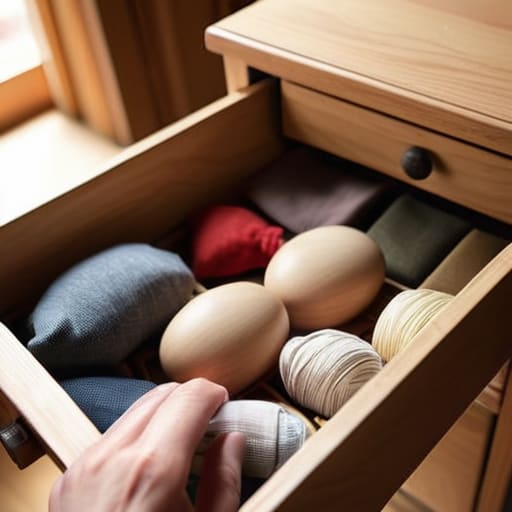
I’ve learned the hard way that moving is rarely about the heavy lifting; it’s about the sheer volume of stuff you realize you don’t actually need. When I moved into my current place, I tried to pack everything at once, and I ended up staring at a mountain of junk, feeling completely paralyzed. Now, I approach decluttering before moving as a series of micro-tasks. Instead of tackling the whole house, I pick one drawer or one shelf. I ask myself a simple question: Does this item serve a purpose in my next chapter? If the answer is a hesitant “maybe,” it goes in the donation pile.
By thinning out your belongings early, you aren’t just clearing physical space; you’re actually streamlining your entire relocation planning timeline. Every item you get rid of is one less thing you have to wrap, label, and pay to transport. It keeps your momentum steady and prevents that mid-process burnout where you just want to give up and live out of boxes forever. Think of it as pruning a garden—you’re removing the dead weight so the new space can actually breathe once you arrive.
Building Better Systems With Packing Supplies Essentials
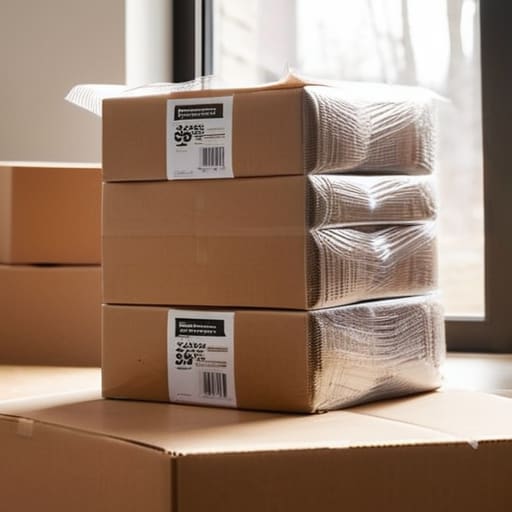
Once you’ve cleared the clutter, the next step is to stop thinking about “boxes” and start thinking about logistics. I used to make the mistake of grabbing whatever random cardboard box I could find in the garage, only to realize halfway through that nothing actually fit. Instead, I’ve learned to treat my packing supplies essentials like a curated toolkit. Invest in a few high-quality, uniform-sized boxes rather than a chaotic mix of shapes. Uniformity is the secret to stability; when boxes are the same size, they stack securely in a truck, which prevents that dreaded “avalanche” effect when you finally arrive at your new place.
I also swear by a simple labeling system that goes beyond just writing “Kitchen” on a flap. I keep a small stack of colored tape or even just my trusty notebook handy to create a coded system. For example, blue tape for the kitchen, green for the bedroom. More importantly, I always include a “Priority Box” marked with bright tape—this is the one containing your coffee maker, a few chargers, and basic toiletries. It’s a small piece of moving day organization that prevents that first-night meltdown when you’re too exhausted to hunt through twenty identical brown boxes just to find a toothbrush.
Five Systems to Keep Your Sanity During the Transition
- The “Open First” Box: Instead of digging through a sea of brown cardboard on your first night, pack one dedicated bin with the essentials—coffee maker, chargers, a change of clothes, basic tools, and your toiletries. It’s the difference between feeling settled and feeling lost in a new space.
- The One-Room-at-a-Time Rule: Don’t look at the whole house; it’s too overwhelming. Focus your energy on finishing one room completely before moving to the next. It creates a sense of momentum and prevents that feeling of living in a permanent construction zone.
- Digital Inventory Logs: I’ve learned the hard way that “Labeling” isn’t enough. Use your phone to snap a quick photo of the contents of each box before you tape it shut. If you need that specific blender three weeks from now, you won’t have to play Tetris with every box in the garage to find it.
- The Paperwork Buffer: Moving involves a mountain of logistics—utility transfers, address changes, and lease agreements. Keep a single physical folder or a dedicated digital note for every receipt and confirmation number. Having a single source of truth prevents the mental drain of hunting through emails.
- The “No-Decision” Zone: On moving day, your decision fatigue will be at an all-time high. Pre-pack a small “survival kit” for yourself and your family that requires zero thought. If you don’t have to decide what to eat or where your toothbrush is, you save that mental energy for the actual move.
Finding Your Rhythm in the Chaos
At the end of the day, moving is less about the heavy lifting and more about the systems you put in place before the first box is even taped shut. By tackling the decluttering process early and investing in the right supplies, you aren’t just moving objects; you are reducing the mental load that usually comes with a change in scenery. Remember, the goal isn’t to have a perfectly color-coded moving truck, but to ensure that when you finally walk through your new front door, you aren’t too exhausted to actually enjoy it. Focus on those small, repeatable wins—one room, one box, one system at a time.
I know how overwhelming the transition can feel. There were times in my own life, especially during those chaotic years in the gig economy, when a move felt like a mountain I couldn’t climb. But I’ve learned that a fresh start is the ultimate opportunity to design a life that actually works for you. Don’t let the logistics drown out the excitement of your new chapter. Use this move to leave behind the clutter—both physical and mental—and start building a foundation that feels intentional. You’ve got this, and I’ll be right here in the trenches with you.
Frequently Asked Questions
How do I decide what’s actually worth keeping versus what’s just taking up space?
I use a simple rule to cut through the noise: if I haven’t touched it or thought about it in the last year, it’s likely just “clutter debt.” I ask myself, “Does this item serve my current life, or am I just holding onto a version of myself that doesn’t exist anymore?” If it doesn’t have a clear function or bring genuine utility to my new space, it goes. Don’t let your past weigh down your future.
Is it better to pack room by room, or should I focus on categories like clothes and books first?
Honestly, I’m a firm believer in the room-by-room approach. When I’m restoring a piece of furniture, I focus on one specific area at a time to avoid making a mess of the whole workshop. Moving is the same. If you jump between categories, your living space becomes a chaotic sea of half-packed boxes. Pick one room, clear it out, and build momentum. It keeps the decision fatigue low and the progress visible.
How can I keep track of which box contains what without spending hours labeling everything?
Don’t fall into the trap of writing a detailed inventory on every single box; you’ll burn out before you even reach the tape. Instead, I use a simple numbering system. I keep my pocket notebook handy, assign each box a number, and jot down a quick list of contents next to that number. When I’m unpacking in the new place, I just check my list. It’s fast, keeps the boxes clean, and saves my sanity.
What’s the best way to handle the "essential" items I’ll need immediately on my first night in the new place?
I call this the “First Night Kit.” Instead of digging through a sea of taped boxes at 11 PM, pack one dedicated, clearly labeled suitcase or clear plastic bin. Think of it like a weekend trip: change of clothes, toiletries, chargers, basic meds, and a roll of toilet paper. I also keep my coffee maker and a single set of mugs in a separate, easy-to-grab box. If you have these essentials ready, you won’t feel like you’re living in chaos.