

I used to think that self-care meant booking an expensive weekend retreat or spending hours in a spa, but honestly, that just felt like another item on my to-do list. As an operations manager, I know all too well how quickly decision fatigue can turn a productive day into a mental blur. We often treat wellness like a massive project that requires a complete life overhaul, when in reality, the most effective self care ideas are usually the ones that require the least amount of friction to start.
In this post, I’ve distilled my personal approach into eight manageable, low-stakes rituals designed to fit into even the tightest schedules. I’m not going to suggest you meditate for an hour or change your entire diet; instead, I’m sharing small, repeatable systems that help you reclaim your headspace without adding more stress to your plate. These are the practical tools I use to keep my own foundation steady when things get chaotic, and I think they’ll help you do the same.
Table of Contents
The Analog Reset
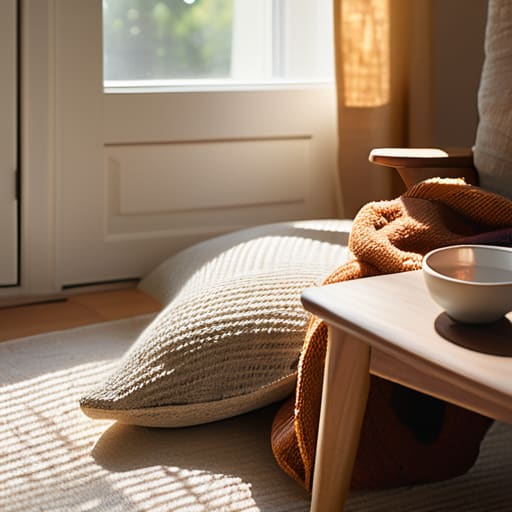
When my brain feels like it has too many tabs open, the first thing I do is put my phone in a different room. We spend so much of our day reacting to pings, notifications, and the endless scroll that we lose our sense of internal rhythm. I’ve found that even twenty minutes of being “unreachable” can do more for my stress levels than an hour of meditation ever could.
Micro-Restoration Rituals

I used to think self-care meant booking a weekend spa retreat, but my job as an operations manager taught me that burnout doesn’t happen all at once; it’s a slow leak. You can’t fix a leak with a vacation once a year; you need to patch it daily. I call these my “micro-restorations”—tiny, five-minute windows where I intentionally step away from the grind.
The Sunday Prep System

Decision fatigue is the silent killer of productivity and mental peace. By the time Wednesday rolls around, I often find myself staring at the fridge or my calendar, feeling completely paralyzed by simple choices. To combat this, I use a low-stakes version of “meal prepping” that focuses on reducing friction rather than achieving culinary perfection.
Curated Soundscapes
We often underestimate how much environmental noise contributes to our baseline anxiety. If you work from home or in a busy office, the constant hum of life can keep your nervous system in a state of low-level alert. I’ve learned that I need to be the architect of my own auditory environment to stay calm.
Movement Without Metrics
I’ve had my fair share of fitness phases where everything was about tracking steps, calories, and heart rate zones. For a long time, that actually made me feel more stressed because I was turning my movement into another set of data to manage. Now, I treat movement as a way to clear my head rather than a metric to improve.
Digital Sunset
The blue light from our devices is one thing, but the mental stimulation of the internet is what really keeps us wired late into the night. I started implementing a “digital sunset” about an hour before I plan to sleep. I turn off the main lights, dim the lamps, and put the laptop away entirely.
Single-Tasking Sessions
We live in a culture that worships multitasking, but I’ve realized that multitasking is really just a fancy word for fragmenting your attention. Every time I jump from an email to a text to a project, I pay a “switching cost” in mental energy. It leaves me feeling scattered and exhausted by mid-afternoon.
The "Done" List
Most of us live by the “To-Do” list, which is essentially a never-ending inventory of everything we haven’t accomplished yet. It’s a recipe for feeling inadequate. To shift my mindset, I’ve started keeping a “Done” list in my notebook—a running record of the small wins and completed tasks throughout the day.
Finding Your Rhythm
If you’re feeling a bit overwhelmed by the list we just went through, take a breath. You don’t need to adopt all eight of these ideas by tomorrow morning. The point isn’t to add more chores to your to-do list; it’s about selecting one or two small, manageable actions—whether that’s a five-minute morning stretch or a dedicated digital sunset—that actually feel sustainable. We’ve talked about everything from physical movement to mental decluttering, but the common thread is simplicity. The goal is to move away from the idea that self-care is a luxury or a grand event, and instead treat it as a series of low-stakes rituals that keep your foundation solid when life gets messy.
At the end of the day, I’ve learned through my own career and personal shifts that you cannot manage what you do not maintain. You wouldn’t expect a mid-century chair to stay sturdy without a little bit of care and attention, and your mind is no different. Don’t aim for a perfect, Instagram-worthy wellness routine. Just aim for consistency over intensity. Start small, stay patient with yourself, and remember that these tiny systems are what eventually build the mental space you need to thrive. You’ve got this.
Frequently Asked Questions
How do I actually stick to these habits when my work schedule gets chaotic?
When things get chaotic, the biggest mistake is trying to maintain your full routine. Don’t do that. Instead, use the “minimum viable version” of your habit. If your nightly reading habit is thirty minutes but you’re drowning in emails, just read one page. The goal isn’t the volume; it’s keeping the streak alive. It’s about proving to yourself that even on the bad days, the system still functions.
I feel guilty taking time for myself; how do I stop viewing self-care as "wasted" time?
I used to feel that way too. I’d look at a quiet hour of reading as “lost” productivity. But I had to reframe it: self-care isn’t a luxury; it’s maintenance. Think of it like the oil change on your car or sanding down a piece of furniture before the finish goes on. If you don’t maintain the tool, the tool breaks. Taking time for yourself is just preventative maintenance for your brain.
Do these systems have to be expensive, or can I really do this on a tight budget?
Not at all. In fact, if a system requires a massive upfront investment, it’s probably more of a distraction than a tool. I’ve found that the most effective ways to reclaim my headspace—like a morning walk or clearing my desk—cost absolutely nothing. My goal isn’t to help you buy your way into wellness; it’s to help you build better foundations using what you already have. Keep it low-cost, keep it simple, and keep it sustainable.
What’s the best way to know if a specific ritual is actually working or if I'm just going through the motions?
The best way to tell is to look for “frictionless integration.” If a ritual feels like a heavy chore on your to-do list, it’s probably just another obligation. But if you notice a subtle shift—like feeling slightly less reactive during a stressful meeting or finding it easier to transition from work to home—it’s working. Don’t track “happiness”; track your mental bandwidth. If you have more room to breathe, the system is holding.