

I used to think that learning how to start running required a $200 pair of carbon-plated shoes and a high-tech GPS watch that tracked my oxygen levels in real-time. I spent weeks paralyzed by the sheer complexity of it all, convinced that if I didn’t follow a professional athlete’s grueling regimen, I was just wasting my time. It’s the same trap I used to fall into with my career and my finances: thinking that if a system isn’t expensive or intense, it isn’t working. But the truth is, most of the advice out there is just noise designed to sell you gear you don’t actually need.
I’m not here to sell you on a lifestyle brand or a marathon training plan that will inevitably lead to burnout by week three. Instead, I want to share the low-friction systems I used to build my own baseline without losing my mind. We’re going to focus on small, repeatable movements that fit into a busy schedule and actually stick. This isn’t about chasing a personal best; it’s about building a sustainable foundation that respects your time and your mental space.
Table of Contents
Choosing Running Shoes for Beginners Without the Overwhelm
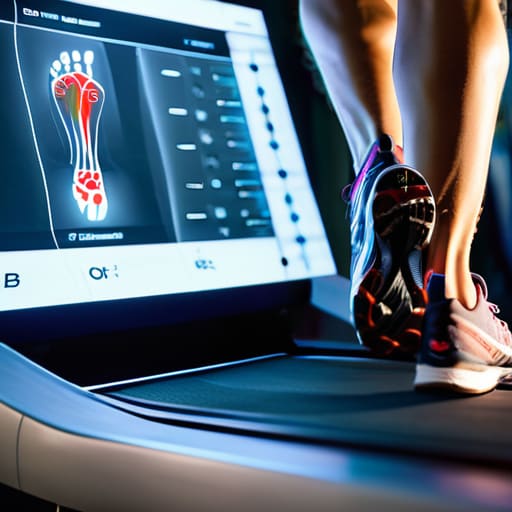
I used to think that buying the most expensive pair of neon-colored sneakers at a big-box retailer was the secret to success. I was wrong. In my pursuit of efficiency, I learned the hard way that the wrong gear is the fastest way to kill your momentum. When you’re looking for running shoes for beginners, the goal isn’t to find the trendiest model; it’s to find a pair that supports your specific foot shape and gait. If you can, head to a local running shop where they can analyze your stride. It might feel a bit intimidating at first, but that ten-minute assessment is a small investment that pays massive dividends in preventing running injuries down the line.
Once you have the shoes, don’t let the technical jargon overwhelm you. You don’t need carbon plates or advanced propulsion technology to build a foundation. You just need something with enough cushioning to absorb the impact as your joints adjust to the new stress. Think of your shoes as the essential hardware for your new routine. If they feel tight or uncomfortable in the store, they will feel like torture after three miles. Keep it simple: prioritize comfort and stability, and let the rest of your progress come from the actual work you do on the pavement.
Building Cardiovascular Endurance One Small Step at a Time

Once you have your gear sorted, the biggest mistake I see people make is trying to do too much, too soon. I used to think that if I wasn’t gasping for air by the end of my first mile, I wasn’t working hard enough. That mindset is a fast track to burnout and, more importantly, preventing running injuries becomes nearly impossible when your body isn’t prepared for the impact. Instead of aiming for distance, I want you to focus on building cardiovascular endurance through consistency rather than intensity.
The most effective way to do this without hitting a wall is through running interval training. This doesn’t mean sprinting like an Olympian; it means a simple cycle of movement. Try walking for two minutes, then jogging for just sixty seconds. Repeat that five times. By breaking the effort into manageable chunks, you teach your heart and lungs to adapt without the crushing mental fatigue that usually leads to quitting. As the weeks progress, you can slowly tip the scales—adding more jogging time and less walking—until the rhythm feels natural. It’s not about how fast you go, but about showing up for the scheduled minutes you promised yourself.
Five Ways to Keep the Momentum Without Burning Out
- Forget about pace. When I first started, I felt this intense pressure to hit certain speeds, but that’s a quick way to quit. For the first few weeks, your only goal is to keep moving. If you have to slow down to a conversational jog where you can actually breathe, do it. Speed is a byproduct of consistency, not the starting point.
- Use the “Run-Walk” method as a system, not a failure. I used to think walking meant I wasn’t “really” running, but that’s nonsense. Integrating short walking breaks into your sessions helps manage your heart rate and keeps your joints from taking too much of a beating. It’s about building the capacity to endure, not just the ability to sprint.
- Schedule your runs like a non-negotiable meeting. I treat my Tuesday and Thursday runs with the same respect I give a project deadline at work. If it’s just a “maybe” in your head, it won’t happen. Put it in your digital calendar or write it in your notebook the night before so the decision is already made.
- Listen to your body, not your ego. There is a massive difference between the “good” soreness of a new muscle working and the “bad” sharp pain of an injury. If something feels off, stop. Taking two days off to rest is much better for your long-term progress than taking two months off because you pushed through a preventable injury.
- Keep your post-run friction low. I’ve learned that the hardest part of running isn’t the miles; it’s the mental hurdle of getting ready. Lay your clothes out the night before or keep your gear right by the door. The fewer decisions you have to make between your couch and the sidewalk, the more likely you are to actually get out there.
The Long Game

At the end of the day, starting to run isn’t about mastering a specific pace or buying the most expensive gear on the market. It’s about the systems we talked about: finding shoes that don’t hurt your feet and respecting your body’s need for a gradual build-up. If you focus too much on the distance, you’ll likely burn out before you even finish your first month. Instead, keep your eyes on the small, repeatable wins—the simple act of showing up, even when you only plan to move for ten minutes. By focusing on low-friction habits rather than high-intensity performance, you turn running from a daunting chore into a sustainable part of your daily rhythm.
I’ve learned through my own journey that progress is rarely a straight line; some days you’ll feel like you’re flying, and other days, even a walk around the block will feel like a victory. That’s perfectly okay. The goal isn’t to become an elite athlete overnight; it’s to build a foundation that lasts. Don’t let the pursuit of perfection get in the way of simply moving. Just lace up your shoes, grab your notebook, and start where you are. The version of you a year from now will thank you for the small steps you took today.
Frequently Asked Questions
How do I know if I'm actually running too fast or if I'm just out of shape?
It’s a question I used to ask myself every single time my lungs felt like they were on fire. Here’s the truth: if you can’t hold a broken conversation without gasping, you’re running too fast. I call this the “Talk Test.” Don’t worry about your heart rate monitor or fancy metrics right now. If you’re too breathless to speak a full sentence, back off. Slow down until you can breathe comfortably. That’s your real training zone.
What should I do on the days when my motivation is zero and I just want to stay on the couch?
Look, I’ve been there. Some days, the idea of even lacing up feels like a chore. On those zero-motivation days, I use a rule I call “The Five-Minute Contract.” Tell yourself you’ll just put on your gear and walk for five minutes. If you still want to quit after that, you have my full permission to head back to the couch. Usually, once the friction of starting is gone, you’ll find your rhythm.
Do I really need to invest in fancy running gear, or can I just use what I have in my closet?
Honestly? Use what you have. I spent years thinking I needed a $150 technical moisture-wicking shirt just to step outside, but it’s a trap. If your old cotton t-shirt doesn’t chafe and your sneakers feel stable, you’re good to go. The goal right now is movement, not a wardrobe overhaul. Save that money for better nutrition or a good pair of socks. Don’t let “gear acquisition syndrome” become another barrier to actually starting.
How can I prevent my knees and shins from hurting as I increase my distance?
The quickest way to invite injury is to chase distance too fast. I used to think more miles meant more progress, but my shins quickly disagreed. The secret is a “slow build” system: never increase your weekly mileage by more than 10%. Also, don’t ignore your strength work. Incorporating simple calf raises and lunges twice a week builds the muscular foundation your joints need to absorb the impact. Listen to the ache; it’s data, not a challenge.