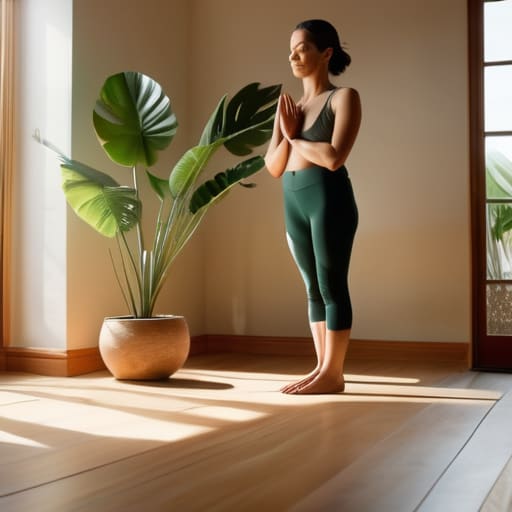

I remember sitting on my living room floor three years ago, staring at a $120 designer yoga mat and feeling completely out of place. I had watched these curated videos of people twisting themselves into human pretzels, and honestly, the whole concept of yoga for beginners felt like another expensive, intimidating hobby I didn’t have the mental bandwidth for. I didn’t need a spiritual awakening or a studio membership that cost more than my monthly grocery bill; I just needed a way to stop my lower back from screaming after ten hours at my desk.
I’m not here to sell you on a lifestyle overhaul or tell you that you need to find your “inner zen” by next Tuesday. Instead, I want to share a low-pressure system that actually works for people with full-time jobs and limited patience. We’re going to strip away the fluff and focus on a few basic, repeatable movements that build a solid foundation without requiring you to be flexible right away. My goal is to help you integrate yoga for beginners into your life as a functional tool for mental clarity and physical relief, rather than just another item on an endless to-do list.
Table of Contents
Mindfulness and Yoga Basics to Calm the Noise
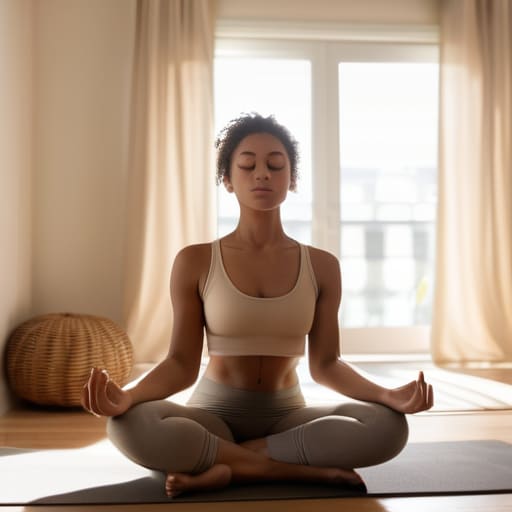
One thing I learned while navigating the chaos of my early twenties was that my brain never actually shuts off. Even when I’m sitting still, my mind is running through a checklist of emails, errands, and “what-ifs.” This is where mindfulness and yoga basics actually become useful tools rather than just wellness buzzwords. It’s not about reaching a state of total zen; it’s about using your breath as an anchor to pull yourself back into the present moment when the mental noise gets too loud.
If you’re starting out, don’t feel like you need a studio-grade setup. I’ve found that the most effective way to lower cortisol is by focusing on simple yoga breathing techniques for beginners, like deep belly breaths that signal to your nervous system that you are safe. You don’t need to master a handstand to see the benefit. In fact, focusing on a few slow, intentional movements can be more effective for stress relief than an intense, hour-long workout that leaves you feeling depleted. Just aim to connect your movement to your breath, and let the rest follow naturally.
Essential Yoga Props for Newcomers to Build Stability
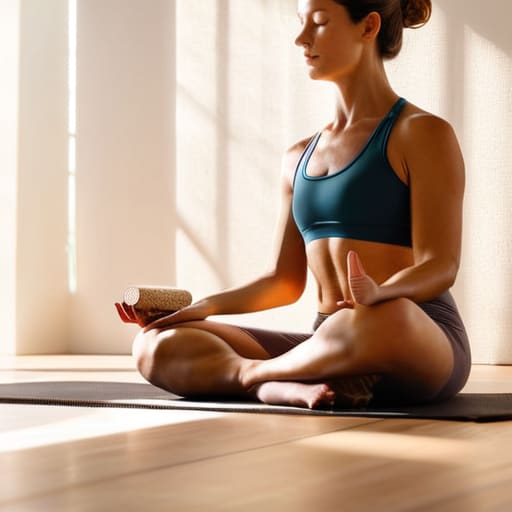
When I first started my own practice, I felt like I was failing because I couldn’t reach the floor or hold a pose without wobbling like a table with a loose leg. I thought I needed more flexibility to do yoga, but I actually just needed better support. This is where essential yoga props for newcomers come into play. They aren’t “cheating”; they are tools designed to bring the floor to you, allowing you to focus on your alignment rather than just struggling to stay upright.
The most important piece is a high-quality mat. It’s the foundation of your space, providing the grip you need to prevent sliding during a daily yoga routine for flexibility. Beyond the mat, I highly recommend investing in two yoga blocks and a sturdy strap. Blocks act as extensions of your arms, helping you maintain a straight spine in seated poses, while a strap is a lifesaver when you’re working on hamstring stretches. Using these tools helps you build a stable base, which ultimately makes it much easier to transition into deeper yoga poses for stress relief without feeling frustrated or physically strained.
Five ways to make the practice actually stick
- Forget about the “perfect” pose. If you’re chasing what you see on Instagram, you’ve already lost the point. Focus on how your body feels in the moment rather than how it looks in a mirror; if a pose feels tight or uncomfortable, back off.
- Keep your sessions short and manageable. I’ve found that a ten-minute flow in the morning is infinitely more effective than a grueling hour-long session once a week that you eventually start dreading.
- Use your breath as your internal compass. When things get difficult or your muscles start to shake, don’t hold your breath—that’s when tension actually sets in. Slow, steady exhales are what keep your nervous system from hitting the panic button.
- Create a dedicated, low-friction space. You don’t need a home studio, but having a specific corner where your mat is already unrolled can remove that initial mental hurdle of “getting ready” to practice.
- Listen to your body’s quiet signals. There is a massive difference between the “good” discomfort of a deep stretch and the sharp, biting pain of an injury. If it’s the latter, stop immediately—no ego required.
Finding Your Rhythm
At the end of the day, getting started with yoga isn’t about mastering a headstand or having the most expensive gear in the studio. It’s about the small, intentional choices we discussed: setting a foundation of mindfulness to quiet the mental chatter and using simple props to make sure your body feels supported rather than strained. Remember, the goal isn’t to perform a perfect pose; it’s to create a reliable system that shows up for you when life gets chaotic. Whether you’re using a block to reach the floor or just sitting quietly for five minutes, you are already doing the work of building a sustainable practice.
I know how easy it is to let “busy-ness” become an excuse to skip the things that actually keep us grounded. We often think we need an hour of uninterrupted time to make progress, but I’ve learned that consistency beats intensity every single time. Don’t wait for the perfect moment or a cleared schedule to begin. Just roll out your mat, take one deep breath, and start where you are. You don’t need to be an expert to reap the benefits; you just need to show up for yourself.
Frequently Asked Questions
How much time do I actually need to dedicate to a session for it to be worth it?
Here’s the truth: if you’re waiting for a spare hour to appear in your calendar, you’ll never start. I used to think a session only “counted” if I spent forty minutes on the mat, but that’s a recipe for burnout. Honestly? Ten minutes is plenty. Even a quick stretch between meetings is enough to reset your nervous system. It’s about the consistency of the habit, not the length of the session. Just show up.
Do I really need to buy expensive gear, or can I just use what I have at home?
Honestly, don’t let the gear trap stall your progress. I’m a big believer in using what you already have to reduce decision fatigue. You don’t need a designer mat or high-end blocks. A thick towel on a rug works for grip, and a couple of sturdy hardcover books make excellent makeshift blocks for stability. Start with your living room setup; once you’ve built the habit, then you can consider investing in the “real” stuff.
What should I do if I feel physical discomfort or pain during a pose?
Listen, this is where most people quit, so let’s get one thing straight: there is a massive difference between “effort” and “pain.” If you feel a deep stretch or some muscle fatigue, that’s usually fine. But if you feel sharp, stabbing, or pinching sensations, stop immediately. Don’t try to power through it. Just back out of the pose, breathe, and find a neutral position. We’re building a foundation here, not an injury report.
How do I stay consistent when my work schedule gets chaotic?
When my work schedule goes sideways, I stop trying to hit my usual hour-long sessions. That’s a trap; if you miss the “perfect” workout, you usually end up doing nothing at all. Instead, I switch to a “minimum viable practice.” I’ll roll out the mat for just ten minutes of stretching before bed. It’s not about the intensity; it’s about keeping the habit alive so the foundation doesn’t crumble when life gets loud.