
I remember sitting at my kitchen table three years ago, surrounded by a literal mountain of envelopes, tax forms, and medical bills that seemed to grow every time I turned my back. I felt that familiar, heavy knot of anxiety in my chest—the kind that comes when you realize you’re losing control of the small things. I spent hours searching for a single utility bill, only to realize I had no idea how to organize paperwork in a way that actually worked for my life. I didn’t need a $200 leather-bound filing system or a complex color-coding scheme; I just needed to stop the bleeding and find some mental breathing room.
In this post, I’m not going to sell you on some high-maintenance organizational guru’s lifestyle. Instead, I want to share the exact, low-friction systems I built to manage my own life and career. We are going to focus on small, repeatable habits that turn a chaotic pile into a functional foundation. My goal is to give you a practical roadmap to reclaim your space, one folder at a time, without the unnecessary complexity.
Table of Contents
Sorting Important Documents With Minimal Effort
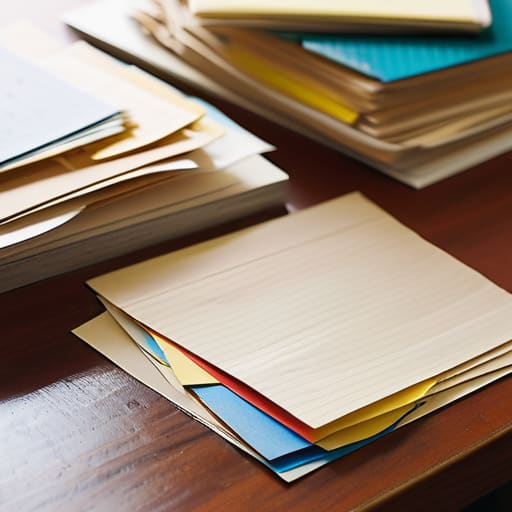
When I first started tackling my own desk, I made the mistake of trying to categorize every single receipt and utility bill the moment it hit the mat. It was exhausting. Instead, I’ve learned that the secret to sorting important documents without burning out is to use a simple “triage” method. Grab three physical piles: Action Required, File for Later, and Trash. If it’s a bill that needs paying, it goes in Action. If it’s a tax document or a property deed, it goes to File. Everything else? It likely belongs in the bin.
Once you have your piles, don’t feel pressured to build a complex document management system overnight. I usually spend just fifteen minutes on a Sunday evening moving the “File for Later” stack into a single, dedicated accordion folder. This prevents the “junk drawer” effect where important papers get lost under old takeout menus. If you find yourself staring at a mountain of sensitive information, don’t overthink it—just grab a shredder and clear the clutter. The goal isn’t to have a pristine archive; it’s to ensure that when you actually need a specific piece of paper, you aren’t digging through a landfill of nonsense to find it.
Simple Filing Cabinet Organization Tips for Real Life
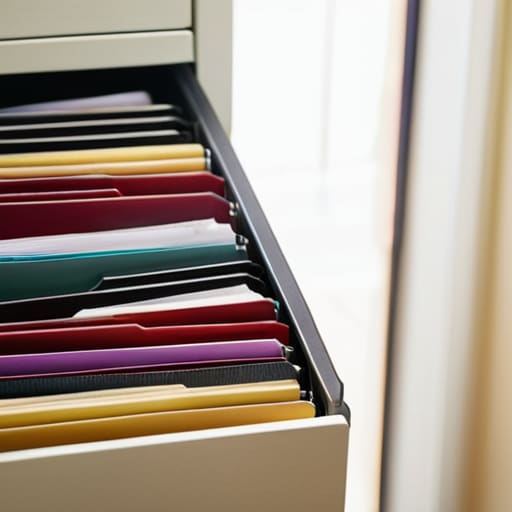
Once you’ve finished sorting your most vital papers, it’s time to face the physical storage. I used to think I needed a high-tech, multi-drawer system to stay organized, but I eventually realized that simplicity is much more sustainable. For most of us, a standard filing cabinet is plenty, provided we don’t overcomplicate it. My rule of thumb is to use hanging folders for broad categories—like “Tax Records” or “Home Maintenance”—and manila folders inside those for specific sub-categories. This layering keeps things from becoming a chaotic mess of loose sheets.
When applying these filing cabinet organization tips, remember that the goal isn’t to create a museum-grade archive; it’s to ensure you can find a specific receipt in under thirty seconds. If a category feels too large, break it down. However, don’t let the physical pile grow indefinitely. I’ve found that the best way to keep the cabinet from overflowing is to pair it with a bit of digital document scanning. If you scan a document, save it to a secure cloud folder, and then shred the original, you’re effectively maintaining a paperless office without the stress of losing everything in a digital glitch. It keeps the physical footprint small and your mind even smaller.
Five Small Habits to Keep the Paper Chaos at Bay
- The “One-Touch” Rule: When a piece of mail hits your hand, don’t just drop it on the counter. Either file it, shred it, or act on it immediately. If you touch it once and decide its fate, it never becomes part of the pile.
- Create a “Landing Strip”: Designate one single tray or basket near your entryway for incoming papers. It’s a temporary holding cell that keeps the clutter contained to one square foot instead of spreading across your dining table.
- Go Digital Where It Actually Matters: You don’t need to scan every receipt, but for anything vital like tax documents or house deeds, use a quick phone scan app. Once it’s in a secure cloud folder, you can let the physical copy go or tuck it away in a deep file.
- The Sunday Reset: Spend just ten minutes every Sunday evening clearing your desk of any loose scraps or stray envelopes. It’s a small ritual that prevents the “Monday Morning Fog” from setting in.
- Use Color-Coded Folders (But Keep It Simple): Don’t overthink the system. Use one color for “Financial,” one for “Health,” and one for “Home.” It’s not about being a professional archivist; it’s about being able to find your birth certificate in under thirty seconds.
Finding Your Rhythm
At the end of the day, organizing your paperwork isn’t about achieving some pristine, museum-quality filing system that looks good on a Pinterest board. It’s about the practical reality of knowing exactly where your lease is when it’s time to renew, or finding that one tax document without having to dig through a mountain of junk mail. We’ve covered how to sort the essentials with minimal friction and how to set up a physical filing space that actually works for your daily life. The goal is to move from constant mental clutter to a state where your documents are simply where they belong, allowing you to stop searching and start living.
If you feel overwhelmed looking at that stack on your desk, please remember that you don’t have to tackle it all in one afternoon. Start with one folder, one drawer, or even just one single envelope. Building these systems is a marathon, not a sprint, and even the smallest bit of progress is a win for your future self. My hope is that by clearing this physical weight off your desk, you find a little more mental breathing room to focus on the things that actually matter. You aren’t just filing papers; you are building a foundation for a much calmer, more intentional life.
Frequently Asked Questions
How do I decide what’s actually worth keeping versus what I can just shred or scan?
I used to get paralyzed by this, thinking every scrap of paper was a potential legal lifeline. Now, I use a simple rule of thumb: if it doesn’t have a tax, legal, or long-term sentimental value, it probably doesn’t need a physical home. Scan anything you might need to reference once a year—like old utility bills—and shred the rest. If you haven’t looked at it in twelve months and it isn’t a contract, let it go.
Is it better to go fully digital, or should I keep a physical backup of my most important stuff?
Honestly, I’m a big advocate for a hybrid approach. Going 100% digital feels efficient, but there’s a certain peace of mind that comes from having a physical folder for things like birth certificates or property deeds. I keep my day-to-day stuff—receipts, manuals, utility bills—in a searchable digital cloud. But for the “life-altering” documents? I keep a slim, fireproof binder. It’s not about being old-fashioned; it’s about having a fail-safe.
What’s the best way to handle those random piles of mail and receipts that keep accumulating every week?
The trick isn’t to build a complex archive; it’s to stop the pile from growing in the first place. I use a “One-Touch Rule.” When I walk in the door, I don’t drop the mail on the counter. I either toss the junk immediately, scan the receipt into a dedicated folder on my phone, or drop the “action required” items into a single, small tray. If it takes less than ten seconds, do it now.
How often should I actually sit down to review my files so the system doesn't fall apart again?
Look, if you try to do a massive quarterly audit, you’ll probably skip it. That’s how systems die. Instead, I aim for a “low-friction” rhythm. I do a five-minute sweep every Sunday evening to clear my desk, and then a more intentional thirty-minute session once a month. That’s it. It’s not about perfection; it’s just about making sure the pile doesn’t become a mountain again. Keep it small, keep it regular.