

I remember sitting at my kitchen table three years ago, surrounded by three different planners, a tablet, and a stack of sticky notes, feeling completely paralyzed. I was chasing every productivity guru’s dream, convinced that if I just found the “perfect” app, my chaos would vanish. Instead, I was just collecting digital clutter. Most of the to do list tips you find online are designed to make you feel like you need a PhD in software engineering just to schedule a grocery run. They promise total optimization, but all they actually deliver is more decision fatigue.
I’m not here to sell you on a complex ecosystem or a subscription-based lifestyle. My approach is much more grounded: I want to help you build a system that actually leaves you with some breathing room at the end of the day. I’m going to share a few practical, battle-tested methods that helped me move from constant overwhelm to a sense of quiet control. We aren’t looking for a way to squeeze every last drop of productivity out of your soul; we are simply looking for better foundations so you can focus on what actually matters.
Table of Contents
Prioritizing Tasks Effectively Without the Mental Noise

The problem with most lists isn’t that they’re too short; it’s that they’re too loud. When I look at a page filled with twenty different tasks, my brain doesn’t see a roadmap—it sees a wall of noise. To fix this, I’ve moved away from the “everything is urgent” mindset and started focusing on prioritizing tasks effectively by using a simple rule of three. Each morning, I pick three non-negotiable items. Everything else is just a bonus. This shift in my daily planning strategies has been a game-changer for my anxiety because it turns an overwhelming mountain into a few manageable steps.
I also found that I had to stop treating my list like a graveyard for every random thought that popped into my head. If I write down “buy new lightbulbs” right next to “finish quarterly budget report,” my focus shatters. I’ve learned to separate my deep work from my administrative chores. By categorizing tasks into high-energy and low-energy buckets, I can match my workload to my actual mental capacity throughout the day. It’s not about doing more; it’s about doing what matters without the constant, buzzing sense of dread that you’re forgetting something vital.
Simple Daily Planning Strategies for a Quieter Mind
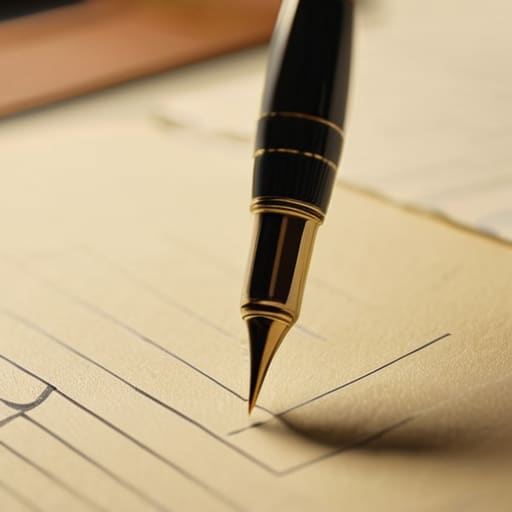
I’ve found that the most effective way to avoid that mid-day spiral of overwhelm is to stop planning in the heat of the moment. When you’re already stressed, your brain isn’t equipped to make good decisions. Instead, I use a “Shutdown Ritual” every evening. I spend ten minutes at my desk—usually with my fountain pen in hand—mapping out the next day before I close my laptop. This simple act of daily planning strategies allows me to offload my mental clutter onto paper, so I don’t spend my evening ruminating on what I might have forgotten.
When it comes to the actual execution, I’ve moved away from those overly complex productivity hacks for task management that promise to turn you into a machine. They usually just lead to more burnout. Instead, I lean into a “Rule of Three.” I pick three non-negotiable tasks that must get done, and anything else is just a bonus. This approach helps in overcoming procrastination with lists because the mountain looks much smaller when you’re only staring at three steps rather than thirty. It’s not about doing more; it’s about doing what matters without the constant, buzzing anxiety of an endless queue.
Five Small Tweaks to Keep Your List from Becoming a Burden
- Keep it small. I used to write down twenty things a day and feel like a failure when I only finished five. Now, I pick three “non-negotiables.” If I get those done, the day is a win. Everything else is just a bonus.
- Write it down physically. There is something about the friction of a fountain pen on paper that makes a task feel real. It slows my brain down just enough to stop the frantic scrolling through digital apps that usually just adds to my anxiety.
- Use “action verbs” only. Instead of writing “Project X” on my list—which is vague and intimidating—I write “Email Sarah about Project X budget.” It removes the mental hurdle of figuring out where to actually start.
- Build in a “buffer zone.” Never schedule your list back-to-back. Life happens—a meeting runs long, or a quick coffee break turns into a distraction. Leave gaps in your plan so one small delay doesn’t wreck your entire sense of progress.
- Do a nightly reset. Before I close my notebook for the evening, I spend two minutes looking at what’s left. I move unfinished tasks to tomorrow or, more importantly, I cross them off if they aren’t actually important anymore. It lets me sleep without that nagging “what if” feeling.
Finding Your Rhythm

At the end of the day, a to-do list shouldn’t feel like a heavy weight you’re dragging behind you. We’ve talked about moving away from the chaos of endless, unorganized tasks and toward something more intentional—whether that’s through ruthless prioritization or using simple daily planning strategies to ground yourself. The goal isn’t to check off fifty items and burn out by noon; it’s about choosing the right tasks so you can actually breathe. By implementing these small, repeatable systems, you aren’t just managing your time; you are actively reducing the decision fatigue that drains your energy before the day even really begins.
As I sit here with my notebook and pen, reflecting on how much my own workflow has changed, I’ve realized that the most important part of any system is the grace you give yourself when it fails. Some days, the list will be long and the momentum will be low, and that is perfectly okay. Don’t let a messy afternoon convince you that your entire foundation is crumbling. Just pick up your pen, reset, and start again tomorrow. Remember, we aren’t chasing some impossible standard of flawless productivity; we are simply building a more stable, quieter life, one small task at a time.
Frequently Asked Questions
What do I do when my list keeps growing faster than I can actually cross things off?
Look, I’ve been there. It’s that sinking feeling when the ink on the page starts to feel like a weight. When your list outpaces your hands, you have to stop playing defense and start playing offense. Stop trying to do everything. Pick the three most critical tasks—the ones that actually move the needle—and move everything else to a “Someday/Maybe” list. If it isn’t a priority today, it’s just cluttering your mental space.
Should I be using a digital app for this, or is there a real benefit to sticking with a physical notebook?
Honestly, I’ve tried both, and I always end up back at my notebook. Digital apps are great for reminders, but they’re also magnets for distraction. One “quick check” of a task often turns into ten minutes of mindless scrolling. There’s something about the tactile act of writing with a fountain pen that forces me to slow down and actually commit to the plan. If you want to reduce decision fatigue, start analog.
How do I stop my to-do list from becoming a source of anxiety instead of a tool for clarity?
The anxiety usually comes from treating your list like a wish list rather than a reality check. If your list is twenty items long, you’ve already lost. I started using a “Rule of Three”: I pick three non-negotiables for the day and everything else goes into a separate “parking lot” list. It keeps the focus tight. Don’t aim to finish everything; aim to finish the right things. That’s how you reclaim your peace.
How much time should I actually spend planning my day without it becoming a distraction in itself?
Look, I’ve been there—spending forty minutes color-coding a planner only to realize I’ve wasted the most productive part of my morning. If you’re caught in that loop, you aren’t planning; you’re procrastinating. Aim for fifteen minutes. Use ten to identify your “big three” tasks and five to glance at your calendar. If it takes longer than twenty, your system is too heavy. Keep it lean so you can actually get to work.