

I used to think that effective networking meant wearing a stiff suit, clutching a lukewarm cocktail, and working a room full of strangers until my social battery hit zero. I hated the whole charade—the forced small talk and the transactional feeling of exchanging business cards like they were trading cards. Most of the networking tips you find online are just variations of “be more charismatic” or “attend more events,” which is incredibly unhelpful advice if you’re someone who just wants to get things done without the performative exhaustion.
I’m not here to teach you how to become a social butterfly or a corporate shark. Instead, I want to share the small, repeatable systems I’ve used to build a professional circle that actually feels meaningful. We’re going to skip the high-pressure tactics and focus on low-friction habits that integrate into your real life. My goal is to provide you with a few practical, no-nonsense strategies that help you build a solid professional foundation without the decision fatigue or the social burnout.
Table of Contents
Building Professional Relationships Without the Burnout
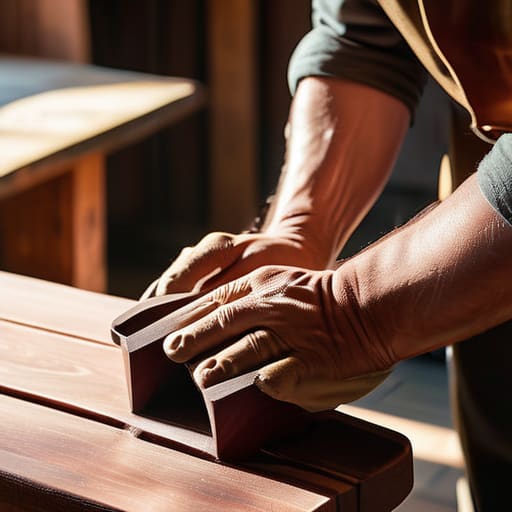
The biggest mistake I see people make is treating networking like a sprint—a high-intensity dash to collect as many business cards as possible in a single night. That approach is a one-way ticket to social exhaustion. Instead, I’ve found that building professional relationships works much better when you treat it like restoring an old chair: it’s about steady, intentional work rather than a frantic overhaul. I try to focus on one or two meaningful interactions rather than working the entire room. If you aim for depth over breadth, you aren’t just “working a room”; you’re actually creating a foundation of genuine connections.
To keep this from feeling overwhelming, I rely on a few simple systems to manage my energy. For instance, I don’t walk into a room hoping to be the most charismatic person there; I just rely on a prepared, low-pressure elevator pitch that feels like me. It’s not about performing; it’s about being ready so you don’t have to think on your feet when you’re tired. Even when it comes to LinkedIn networking strategies, I avoid the “copy-paste” spam. I prefer sending one thoughtful, personalized note to a single person rather than blasting fifty generic requests. It takes more time upfront, but it saves so much mental space in the long run.
Expanding Your Professional Circle One Conversation at a Time

I used to think that expanding your professional circle meant walking into a room of strangers and performing like a stage actor. It felt performative and, frankly, exhausting. But over the years, I’ve learned that the most sustainable way to grow is to treat every interaction as a low-stakes discovery rather than a high-pressure pitch. Instead of trying to work a whole room, I focus on just one person at a time. I’ve found that asking a single, thoughtful question—something more meaningful than “So, what do you do?”—is often the most effective way to spark a genuine connection.
When you aren’t focused on “selling” yourself, you actually have the mental bandwidth to listen. This is where the real magic happens. If you’re worried about sounding polished, don’t stress over a rehearsed script; instead, work on a simple, authentic way to describe your current focus. Having a loose idea of your professional trajectory helps, but it shouldn’t feel like a rigid monologue. By prioritizing curiosity over charisma, you aren’t just collecting business cards; you are building professional relationships that actually have the legs to go somewhere long after the coffee has gone cold.
Five Low-Lift Habits for a Stronger Network
- Treat networking like a slow restoration project, not a sprint. You don’t need to attend every mixer or blast out fifty LinkedIn requests in a day. Instead, aim for one meaningful interaction a week. It’s about the quality of the connection, not the volume of the contacts.
- Use the “Low-Stakes Check-in” method. If you see an article or a tool that reminds you of someone you haven’t spoken to in a while, send it over with a quick, “Saw this and thought of our conversation about X.” It keeps the relationship warm without requiring a heavy time commitment from either of you.
- Focus on being a resource rather than a seeker. When you enter a conversation, don’t lead with what you need. Instead, listen for what they’re working on and see if there’s a small way you can help—whether it’s a book recommendation or a quick introduction. It shifts the dynamic from transactional to relational.
- Keep a “People Log” in your pocket notebook. Whenever you meet someone interesting, jot down a few quick details—their current project, a hobby, or even a challenge they mentioned. Referencing these small details in a follow-up shows you were actually listening, which is a rare commodity these days.
- Optimize your digital presence so it works while you sleep. You don’t need a flashy personal brand; you just need a clean, updated LinkedIn profile that clearly states what you do and what you’re interested in. Think of it as a digital storefront that stays open even when you’re busy with your actual job.
Finding Your Rhythm

At the end of the day, networking shouldn’t feel like a second job or a performance you have to rehearse. We’ve talked about moving away from the high-pressure, “transactional” mindset and instead focusing on building genuine foundations through small, consistent actions. Whether it’s sending that one follow-up email or finally reaching out to a former colleague for a quick coffee, the goal is to integrate these connections into your life without letting them drain your battery. Remember, it’s not about how many business cards you collect; it’s about the quality of the systems you put in place to maintain those relationships over the long haul.
I know how heavy the idea of “networking” can feel when you’re already juggling a million other responsibilities, but I promise you don’t have to overhaul your entire social life overnight. Just pick one small thing from this list and try it this week. Life is far too short to spend it feeling socially exhausted or overwhelmed by the pursuit of “more.” If you focus on being sincere and steady, the opportunities will eventually find their way to you. You aren’t just building a career; you’re building a community that supports the life you actually want to live.
Frequently Asked Questions
How do I keep up with these connections without it feeling like a second full-time job?
The trick is to stop treating “networking” like a project and start treating it like a maintenance task. I use a simple “low-frequency touchpoint” system. Once a month, I pick five people from my notebook—people I actually respect—and send a quick, no-pressure note. Maybe it’s an article they’d like or just a “thinking of you.” It takes twenty minutes, but it keeps the pilot light burning without draining your battery.
What should I actually say in a follow-up message so it doesn't feel awkward or transactional?
The trick is to anchor your message to something specific you actually discussed. If you just say, “Great meeting you,” it feels like a chore. Instead, try: “I really enjoyed our chat about [Topic]—it gave me a new perspective on [Detail].” If they mentioned a book or a tool, follow up on that. It moves the needle from a “transaction” to a genuine connection, and honestly, it takes the pressure off both of you.
I'm more of an introvert—is there a way to do this that doesn't involve constant small talk at loud events?
I hear you. Honestly, the “loud room” approach to networking is exhausting, and for many of us, it’s counterproductive. I’ve always preferred a more surgical approach. Instead of chasing crowds, try the “one-on-one” system. Reach out to someone you genuinely admire for a quick coffee or a brief Zoom call. It’s much easier to build a real connection in a quiet setting than trying to shout over music at a mixer.
How do I know if I'm actually making progress or just collecting business cards that will sit in a drawer?
The real test isn’t the stack of cards on your desk; it’s the quality of your calendar. Are you actually scheduling follow-up coffees, or just filing away names? Real progress looks like a single, meaningful conversation that turns into a recurring check-in or a shared resource. If your “network” doesn’t result in at least one genuine interaction a month, you aren’t building relationships—you’re just collecting paper. Focus on the connection, not the collection.