
I remember sitting on the floor of my first apartment, surrounded by half-unpacked boxes and a mountain of “just in case” items, feeling like the walls were physically closing in on me. I had spent an entire weekend watching those high-energy organizing shows where people spend thousands on matching acrylic bins and color-coded labels, but all I felt was more overwhelmed. I realized then that most advice on how to declutter your home focuses way too much on the aesthetic of a showroom and not enough on the psychology of a person just trying to live their life.
I’m not here to sell you a lifestyle of extreme minimalism or a shelf full of expensive organizers you don’t actually need. Instead, I want to share the small, repeatable systems I’ve used to reclaim my own mental space from the chaos of stuff. We’re going to focus on practical, low-friction methods that actually stick, even when you’re exhausted after a long workday. My goal is to help you build a functional foundation so your home becomes a place where you can actually breathe, rather than just another item on your to-do list.
Table of Contents
Reclaiming Mental Space Through Minimalist Living Strategies
When I first started working on my own apartment, I realized that the mess wasn’t just a physical nuisance; it was a constant, low-grade hum of anxiety in the back of my mind. Every pile of mail or stray gadget on the counter felt like an unfinished task screaming for my attention. This is where the decluttering mindset and psychology come into play. It’s not just about throwing things away; it’s about recognizing that every object you own demands a tiny piece of your cognitive energy. By adopting certain minimalist living strategies, we aren’t just cleaning a room—we are actually lowering our baseline stress levels.
I’ve found that the most effective way to approach this without feeling overwhelmed is to stop looking at the whole house at once. If you try to tackle everything on a Saturday morning, you’ll likely end up exhausted and defeated by noon. Instead, I recommend using a decluttering checklist for busy people that focuses on micro-wins. Pick one drawer, one shelf, or even just your bedside table. When you clear a small, specific area, you create a “pocket of peace” that serves as a visual reminder that you are in control of your environment, rather than your environment being in control of you.
Breaking the Perfection Trap With Beginner Methods
The biggest mistake I see people make is treating decluttering like a massive, one-time renovation project. You look at a messy living room and think you need to overhaul the entire house by Sunday afternoon. That’s a recipe for burnout. Instead, I’ve found that the most effective decluttering methods for beginners involve lowering the stakes. If you try to tackle the whole house at once, you’ll likely end up with half-finished piles and a sense of defeat.
I like to use a “micro-win” approach. Pick one single drawer, one shelf, or even just your junk mail pile. When you finish that tiny task, you get a hit of dopamine that actually fuels your momentum. It’s about shifting your decluttering mindset and psychology from “I have to fix my life” to “I am just clearing this one surface.”
Don’t worry about finding the perfect storage bins or the most aesthetic containers right away. That’s just another form of procrastination. For now, just focus on the removal process. Once the excess is gone, the space will practically tell you how it wants to be organized. Focus on the subtraction first, and the organization will follow naturally.
Five Low-Friction Habits to Keep the Chaos at Bay
- Start with the “One-In, One-Out” rule. Every time I bring something new into my apartment—whether it’s a new book or a kitchen gadget—something old has to go. It’s a simple way to stop the slow creep of clutter before it even starts.
- Use the “Container Principle.” Think of your shelves and drawers as boundaries, not suggestions. If your coffee station supplies don’t fit in the designated area, you don’t need a bigger shelf; you need fewer mugs.
- The Five-Minute Reset. Before I sit down to wind down for the evening, I spend just five minutes putting things back where they belong. It’s not a deep clean, just a way to ensure I don’t wake up to a mess that immediately spikes my stress levels.
- Tackle the “Micro-Zones.” Instead of looking at a whole room and feeling overwhelmed, pick one tiny area—a single junk drawer, a bedside table, or even just a desktop. Finishing one small spot gives you a win without the burnout.
- Audit your “Just in Case” items. We all have that box of cables or old manuals we keep “just in case.” If you haven’t touched it in a year, the mental weight of storing it is likely costing you more than the item is worth. Let it go.
Finding Your Rhythm

At the end of the day, decluttering isn’t about achieving some sterile, museum-quality aesthetic that you see on Instagram. It’s about the practical application of what we’ve discussed: starting with small, manageable wins, letting go of the perfectionist urge to do everything in one weekend, and understanding that your physical environment directly impacts your cognitive load. By focusing on repeatable systems rather than one-off cleaning marathons, you aren’t just tidying a room; you are building a foundation for a much calmer daily existence.
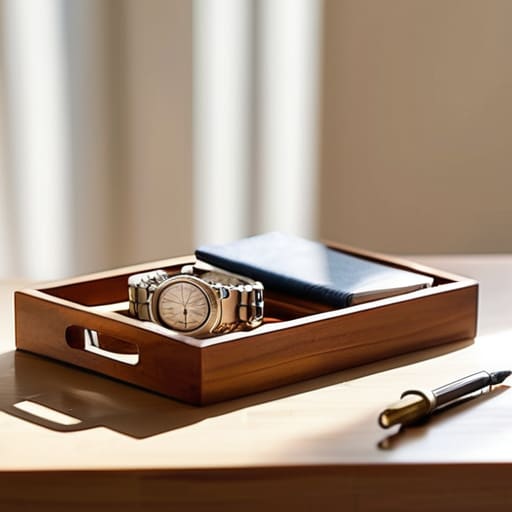
As I sit here at my desk, looking over my notebook and planning out next week, I’m reminded that the goal isn’t to own nothing, but to ensure that nothing you own owns you. If you feel overwhelmed, just pick one drawer, one shelf, or even just one corner of a table to start. That tiny bit of breathing room is enough to prove to yourself that you are in control. Remember, we aren’t chasing a flawless home; we are simply reclaiming our mental space, one small, intentional choice at a time.
Frequently Asked Questions
How do I decide what to keep when everything feels like it might be useful one day?
I call this the “just in case” trap. It’s a heavy mental load to carry. When I’m restoring a piece of furniture, I don’t keep every scrap of old wood “just in case”—it just crowds the workbench. Try the “One Year Rule”: if you haven’t touched it in twelve months, the utility isn’t real; it’s just a possibility. If it’s truly vital, you can replace it later for much less than the cost of your mental peace.
I don't have much free time; how can I declutter without it taking over my entire weekend?
I hear you. The thought of losing an entire Saturday to cardboard boxes is enough to make anyone freeze up. My rule is simple: don’t aim for a “decluttering day.” Instead, aim for a “ten-minute window.” Grab one drawer, one shelf, or even just your junk mail pile while your coffee brews. These micro-sessions keep the momentum going without draining your battery. It’s about building the habit, not finishing a marathon.
What should I actually do with all the stuff I decide to get rid of so it doesn't just end up in a landfill?
This is where most people stumble. They clear the surface, but the “discard pile” becomes a secondary mess. I’ve learned that if you don’t have a destination, the stuff just migrates back into your living space.
How do I stop the clutter from creeping back in once I've finally organized everything?
The secret isn’t a massive weekend overhaul; it’s about managing the “inflow.” I’ve found that if I don’t have a designated home for something the moment it enters my house, it becomes clutter. I use a simple “one-in, one-out” rule for my furniture restoration tools—if I buy a new chisel, an old one goes to a buddy. Treat your space like a closed system, and the creep becomes much easier to manage.