

I was hunched over a mid-century teak sideboard last Tuesday, sanding down a stubborn layer of old varnish, when I felt that familiar, sharp ache bloom at the base of my neck. It’s that heavy, dull tension that tells you you’ve spent too many hours leaning into a screen or a project. Most people will tell you that the secret to fixing it is buying a $500 ergonomic chair or some high-tech wearable that buzzes every time you slouch, but honestly? That’s just more clutter for your life. I’ve realized that learning how to improve your posture isn’t about expensive gadgets or forcing yourself into a rigid, unnatural stance that feels like a chore.
Instead, I want to talk about building small, repeatable systems that actually stick. I’m not here to sell you a lifestyle overhaul or a complicated yoga routine that requires an hour of your morning. My goal is to share a few low-friction adjustments—the kind of practical, everyday tweaks I use to stay centered during a long day of operations management. We’re going to focus on simple, sustainable foundations that reclaim your physical comfort without adding to your decision fatigue.
Table of Contents
Small Habits for Correcting Rounded Shoulders

If you spend most of your day hunched over a laptop or scrolling through your phone, you’ve likely felt that familiar tightness in your upper back. Correcting rounded shoulders isn’t about forcing yourself into a stiff, unnatural position; it’s about teaching your muscles to relax into a better shape. I found that the most effective way to start was by incorporating simple posture correction stretches into my morning routine. A quick doorway stretch—where you place your forearms on the frame and lean forward—takes maybe thirty seconds, but it does wonders for opening up your chest and counteracting that “collapsed” feeling.
Beyond just stretching, I’ve learned that stability is just as important as flexibility. You can stretch all day, but if your midsection is weak, your shoulders will inevitably drift forward again. I started adding a few basic core strengthening exercises, like planks or bird-dogs, to my weekly schedule. It’s not about training for a marathon; it’s about building enough internal support so that maintaining an upright position becomes your body’s default setting rather than an exhausting chore. Think of it as building the structural foundation for your frame, much like how I approach stabilizing an old chair before I start the refinishing process.
Simple Spinal Alignment Techniques for Daily Life
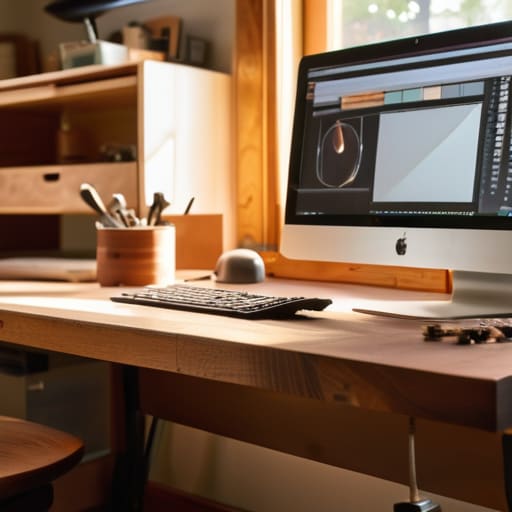
When I’m deep into a furniture restoration project, I’ll spend hours hunched over a sanding block without even realizing it. By the time I stand up, my back feels like a rusted hinge. I’ve learned the hard way that you can’t just “fix” your posture in one sitting; you have to weave it into the rhythm of your day. One of the most effective ways I’ve found to manage this is through a better ergonomic workspace setup. It isn’t about buying a thousand-dollar chair; it’s about ensuring your monitor is at eye level so you aren’t constantly fighting gravity. If you find yourself sliding down in your seat by 3:00 PM, your setup is working against you.
Beyond your desk, I’ve started incorporating tiny “movement snacks” to keep my spine from locking up. Instead of waiting for a dedicated gym session, I use simple posture correction stretches—like a quick doorway chest stretch—whenever I transition between tasks. These small resets act like a manual override for your nervous system. It’s less about achieving a perfect, rigid stance and more about creating awareness of where your body actually sits in space. If you can catch that slouch early, you’ll find that preventing neck pain becomes a much easier battle to win.
Five Low-Effort Tweaks to Keep You Upright
- Set a “posture alarm” on your phone or watch for every hour. Don’t make it a big deal; just use the vibration as a cue to roll your shoulders back and take one deep breath. It’s about breaking the trance of sitting still for too long.
- Audit your digital workspace. If you find yourself leaning into your laptop screen like a gargoyle, it’s time to prop that screen up on a stack of books. Your eyes should be level with the top third of the monitor so your neck doesn’t have to do all the heavy lifting.
- Use the “Wall Test” once a day. Stand with your back against a flat wall and see where you feel tension. If your head or lower back isn’t touching the surface easily, you know exactly where your body is losing its alignment without having to overthink it.
- Swap your phone habit for a “chest-up” rule. We all do it—the dreaded tech neck. Instead of looking down into your lap, bring your phone up to eye level. It feels a bit silly at first, but your cervical spine will thank you by the end of the week.
- Incorporate “micro-stretches” into your existing routine. While you’re waiting for the coffee to brew or a file to download, do a quick chest stretch against a doorframe. It’s a small, repeatable way to counteract the tightness that comes from a day at a desk.
Building Your Foundation

At the end of the day, improving your posture isn’t about achieving some rigid, military-style stance that feels unnatural. It’s really just about the small, repeatable wins we’ve talked about: adjusting your desk setup, taking those micro-breaks to roll your shoulders, and being mindful of how you sit when you’re deep in a project. If you try to overhaul your entire physical presence overnight, you’re going to burn out by Tuesday. Instead, focus on integrating these tiny adjustments into the things you already do. Whether it’s a quick stretch while your coffee brews or a slight tweak to your monitor height, these are the small systems that actually move the needle without adding more stress to your plate.
I know how easy it is to get caught up in the pursuit of a “perfect” version of ourselves, but I’ve learned through my own career and my hobby of restoring old furniture that the best results come from patience and steady maintenance. You don’t need to fix every ache and pain immediately to see progress. Just aim to be slightly more aware of your body today than you were yesterday. We aren’t chasing a flawless silhouette; we are simply building a stronger foundation for the life you want to live. Take it one breath, and one adjustment, at a time.
Frequently Asked Questions
How long does it actually take to see a difference in how I sit or stand?
Honestly? It’s not an overnight thing. If you’re looking for a dramatic transformation by next Tuesday, you’ll likely end up frustrated. I’ve found that the “feel” changes almost immediately—you’ll notice less tension in your neck by day three. But the actual structural shift? That’s a marathon. Give it about four to six weeks of consistent, small adjustments before you really start seeing a difference in the mirror. Just focus on the system, not the clock.
Are there specific stretches I can do at my desk without looking weird to my coworkers?
I get it—nobody wants to be the person doing full-on yoga in the middle of an open-plan office. I used to worry about that too. Instead, try “micro-movements.” You can do seated spinal twists by just rotating your torso slightly while holding your armrest, or simple chin tucks to reset your neck alignment. They look like you’re just deep in thought or adjusting your position, but they’re actually working on your posture.
I feel constant tension in my lower back; is that a posture issue or something else?
It’s a tough one to call, but honestly, it’s usually a bit of both. Most of the time, that tension is a direct result of how we sit—especially if your hips are slumped or your pelvis is tilted while you’re working. That “posture” issue creates muscle imbalances that feel like a separate ache. However, if it’s a sharp, radiating pain, listen to your body and see a pro. For now, try small adjustments to your chair height.
Do ergonomic chairs actually help, or am I better off just focusing on my own habits?
Honestly, it’s a bit of both. An ergonomic chair is a great tool, but it isn’t a magic fix. I’ve seen people spend a fortune on high-end seating only to slouch into it anyway. Think of a good chair like a well-made workbench for my furniture restoration—it supports the work, but it doesn’t do the work for you. Use the chair to set your foundation, but rely on your habits to keep it there.