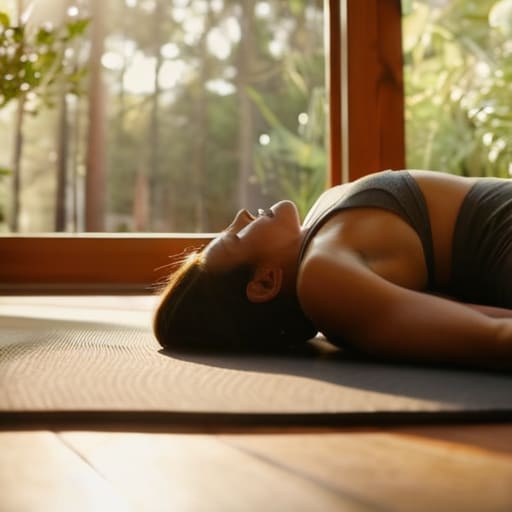

I used to think that if I wanted to see the real benefits of stretching, I needed a $150 yoga mat, a subscription to a high-production wellness app, and an hour of uninterrupted silence. I’d sit there, staring at my phone, feeling more stressed by the complexity of the routine than the actual tension in my shoulders. It’s the same trap we fall into with almost everything in adulthood: we turn a simple physical necessity into a massive, expensive project that requires a perfect environment just to get started.
I’m not here to sell you on a lifestyle overhaul or a complicated series of poses that require a degree in kinesiology. Instead, I want to share the small, repeatable movements that actually work for someone with a demanding job and a finite amount of mental energy. I’ll show you how to integrate basic mobility into your existing day to reclaim your physical foundation without the fluff. We aren’t chasing peak athletic performance here; we are just building a better baseline for your body to function.
Table of Contents
Improving Range of Motion Without the Complexity

When I first started working in operations, I spent most of my day hunched over a desk or pacing through warehouse floors. By 4:00 PM, my hips felt tight and my shoulders were practically touching my ears. I realized I didn’t need a grueling hour-long yoga session to fix it; I just needed to focus on improving range of motion through small, intentional movements. The trick isn’t to push yourself to the point of pain, but to gently signal to your nervous system that it’s okay to let go of that tension.
I’ve found that the most effective way to do this is by understanding the difference between static vs dynamic stretching. In the morning, I prefer dynamic movements—think gentle leg swings or arm circles—to wake up my joints. It gets the blood flowing without making me feel sluggish before my first coffee. Later, in the evening, I switch to longer, held stretches to help with muscle recovery. This simple distinction takes the guesswork out of my routine. By keeping the approach low-stakes and consistent, I’ve managed to make flexibility a part of my day rather than another stressful item on my to-do list.
Preventing Injury Through Flexibility and Ease
I’ve learned the hard way that ignoring the small aches and pains in your body is a recipe for a much larger, more expensive problem down the road. When we sit at desks or move through repetitive tasks all day, our muscles tighten up, creating a sort of tension that eventually snaps if we aren’t careful. I look at it like restoring an old chair; if the joints are stiff and the wood is brittle, one wrong move and the whole thing cracks. By prioritizing preventing injury through flexibility, you aren’t just adding a task to your to-do list; you are essentially performing preventative maintenance on your own body.
The goal isn’t to become a gymnast, but to ensure your body can handle the unexpected. I find that incorporating a bit of stretching for muscle recovery after a long day helps signal to my nervous system that it’s okay to let go of that accumulated stress. It’s about building a buffer. When your muscles are supple rather than tight, you move with a certain ease that makes daily life feel less like a constant struggle against your own physical limits. It’s one of those small, repeatable systems that actually pays dividends when you need them most.
Five Small Ways to Make Stretching Work for You
- Keep it short. You don’t need a forty-minute yoga session to see results; even three minutes of focused movement between meetings can reset your nervous system and break up that seated stiffness.
- Listen to your body, not a timer. If a stretch feels sharp or painful, back off. We’re looking for a gentle, productive tension, not a battle with your own muscles.
- Use your environment. I like to use the edge of my desk or a sturdy chair for calf stretches while I’m waiting for a file to download. It’s about integrating movement into the gaps of your day rather than adding another chore to your to-do list.
- Focus on your breath. It sounds cliché, but deep, steady breathing is what actually tells your muscles it’s safe to relax. If you’re holding your breath, you’re just tensing up more.
- Consistency beats intensity every single time. I’d much rather do two minutes of stretching every morning than an hour-long session once a week. It’s the small, repeatable habits that actually build the foundation.
Building Your Foundation

At the end of the day, stretching isn’t about becoming a contortionist or hitting some arbitrary milestone of flexibility. It’s about the practical, daily wins: having a bit more range in your movements, reducing that nagging tension in your shoulders after a long shift, and protecting your body from the wear and tear of a busy life. We’ve talked about how these small movements improve your mobility and act as a buffer against injury, but the real value lies in the consistency. You don’t need a fancy studio or an hour of free time; you just need a few minutes to reconnect with your physical self and release the tightness that builds up throughout the day.
If you’re feeling overwhelmed by the idea of starting a new routine, my advice is to keep it incredibly simple. Grab your notebook, jot down a time that works for you—maybe right after you wake up or before you hit the couch in the evening—and just start. Don’t aim for a perfect session; aim for a repeatable habit. Like restoring an old chair, you can’t fix everything at once, but you can certainly make steady, intentional progress. Focus on building that foundation, one small stretch at a time, and watch how much mental space opens up when your body finally feels at ease.
Frequently Asked Questions
Do I really need to stretch every single day, or is once a week enough to see a difference?
Look, I get the temptation to treat stretching like a weekly chore, but if you’re only hitting it once a week, you’re essentially just poking a bruise. You won’t see much lasting change. For me, it’s about consistency over intensity. Five minutes every day is far more effective than an hour on Sunday. Think of it as a small, daily maintenance check for your body rather than a major overhaul.
Should I be doing these stretches before my workout or after I've finished?
I get this question a lot, and honestly, the distinction matters more than people realize. Think of it like prepping a piece of wood before you sand it. Before your workout, stick to dynamic movements—think leg swings or arm circles—to wake up your muscles. Save the deep, long-hold static stretches for after you’ve finished. It’s much more effective for cooling down once your body is already warm and ready to relax.
How long do I actually need to hold a stretch to make it worth my time?
Look, I get it—we’re all protective of our time. You don’t need to spend forty minutes in a yoga studio to see results. For most of us, the sweet spot is about 30 seconds per stretch. Anything less and your muscles don’t really get the memo; anything more is often overkill for a daily maintenance routine. Just aim for thirty seconds of steady, controlled breathing, and you’ve done enough to build that foundation.
Is it normal to feel a bit of discomfort, or should I stop the moment it starts to hurt?
Here’s the rule of thumb I live by: there’s a massive difference between “tension” and “pain.” You should feel a gentle pull—a sensation of being worked—but if you feel a sharp, stabbing, or radiating sensation, stop immediately. Don’t try to power through actual pain; that’s how you undo all your progress. Aim for a mild discomfort that fades once you release the stretch. Think of it as a conversation with your body, not a battle.