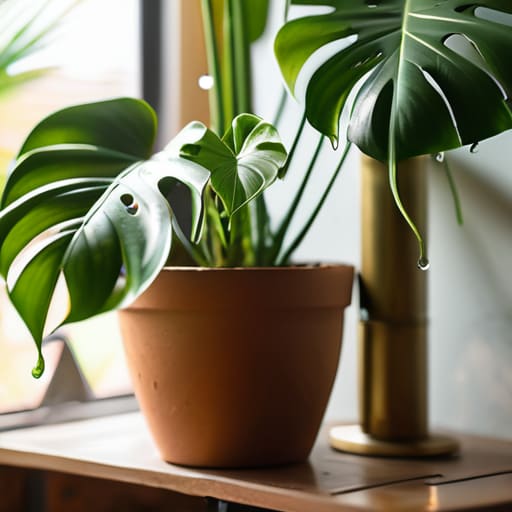

I remember standing in my first apartment, staring at a shriveled, brown mess that used to be a vibrant Monstera. I had spent fifty bucks on a “specialized organic nutrient solution” and a designer ceramic pot, thinking that more gear would equal more life. It turns out, I was just overcomplicating a simple biological process. Most of the advice you find online about how to care for houseplants makes it sound like you need a PhD in botany or a massive budget to keep a single leaf green. It’s all noise, and frankly, it’s exhausting.
I’m not here to sell you on expensive fertilizers or complex light schedules that require a smartphone app to manage. Instead, I want to share the minimalist systems I’ve developed to keep my greenery thriving without letting it take over my mental bandwidth. We’re going to focus on a few repeatable, low-effort habits that actually work for busy people. My goal is to help you build a sustainable routine that turns your home into a living space, rather than a high-maintenance chore list.
Table of Contents
Finding the Right Indoor Plant Light Requirements
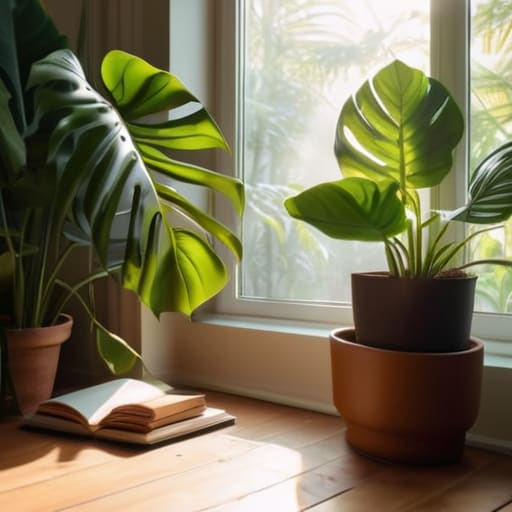
Before you head to the nursery, you need to do a quick audit of your living space. I used to think “bright light” just meant putting a plant near a window, but I quickly learned that there’s a massive difference between a sun-drenched windowsill and a dim corner in a north-facing room. Understanding indoor plant light requirements is really just about matching the plant’s natural habitat to the specific pockets of light in your apartment. I usually grab my notebook and spend a Saturday morning tracking how the shadows move across my floor; it’s a simple way to see which spots get direct afternoon sun and which stay in a soft, consistent glow.
Don’t feel like you need to overhaul your entire lighting setup with expensive grow lamps right away. Most of us just need to be honest about our environment. If you have a bright, airy living room, you can go wild with succulents or bird of paradise. However, if you’re working with a low-light studio, you’ll want to stick to the “unkillables” like Snake Plants or Pothos. The goal isn’t to fight against your home’s natural layout, but to work within it so you aren’t constantly struggling to keep things alive.
Choosing the Best Soil for Houseplants Without the Stress
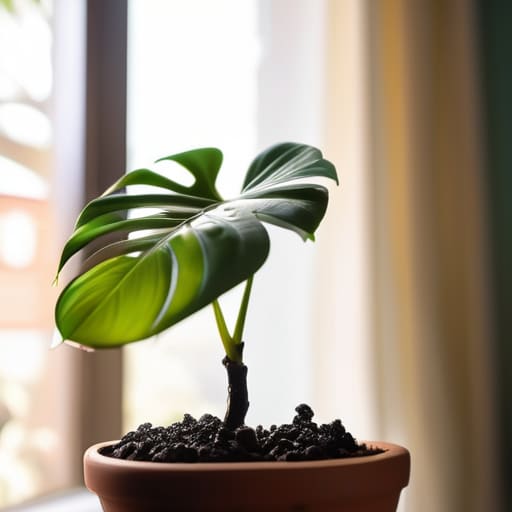
When I first started bringing greenery into my apartment, I spent way too much time staring at the various bags of dirt at the garden center, feeling completely overwhelmed. It’s easy to fall into the trap of thinking you need a specialized, expensive blend for every single leaf in your living room, but that’s a fast track to decision fatigue. In reality, finding the best soil for houseplants comes down to one simple principle: drainage. Most of us tend to overwater out of habit, so you want a mix that allows excess moisture to escape rather than letting it sit at the bottom of the pot and rot the roots.
If you want to keep things simple, I usually recommend a high-quality, well-draining potting mix as your baseline. For those specific plants that crave more structure—like succulents or cacti—just grab a bag that already has extra sand or perlite mixed in. You don’t need a laboratory setup; you just need a foundation that breathes. Once you get your soil right, you’ve already cleared the biggest hurdle. It makes the rest of your routine, from checking the moisture levels to following a basic fertilizing houseplants schedule, feel much more manageable and far less like a chore.
Five Small Habits to Keep Your Greenery Alive
- Stop the schedule-based watering. Instead of watering every Monday because it’s “watering day,” use your finger to check the soil first. If the top inch is still damp, walk away. It’s much easier to fix a slightly dry plant than one with rotting roots from over-care.
- Get comfortable with the “dusting routine.” Dust acts like a barrier between your plant and the light. Once a month, take a damp cloth and gently wipe the leaves. It keeps them breathing better and actually makes your living space look a lot more polished.
- Don’t ignore the drainage rule. If you bought a beautiful ceramic pot that doesn’t have a hole in the bottom, don’t panic. Just keep the plant in its plastic nursery liner and set that inside the decorative pot. It gives you the aesthetic you want without the risk of drowning the roots.
- Observe the leaves, not just the soil. Your plants are actually pretty good at communicating if you know what to look for. Droopy leaves might mean thirst, while yellowing ones often signal too much water. Think of it as a simple feedback loop rather than a mystery to solve.
- Group your plants together to create a microclimate. Plants naturally release moisture through their leaves, and grouping them helps maintain a bit of humidity around them. It’s a low-effort way to mimic their natural environment without having to buy expensive humidifiers.
Bringing It All Together
At the end of the day, caring for plants isn’t about mastering a complex science; it’s about setting up a few basic systems that work for you. We’ve talked about matching your greenery to the right light, picking a soil that actually lets the roots breathe, and finding a watering rhythm that doesn’t feel like another chore on your to-do list. If you get those foundational pieces right, most of the heavy lifting is already done. You don’t need to be an expert to keep things thriving—you just need to stop overthinking it and focus on the simple essentials that keep your environment stable and your plants happy.
I know how it feels when a new leaf turns yellow and you immediately feel like you’ve failed. But I want you to remember that even my mid-century credenza took a few wrong sanding passes before it looked right. Plants are living things, and they have their own pace. Don’t let a little bit of trial and error discourage you from building your own indoor oasis. Just keep showing up, keep observing, and remember that we aren’t chasing a perfectly manicured jungle; we are just building a better foundation for a calmer, greener home. One leaf at a time is more than enough.
Frequently Asked Questions
How do I know if I’m actually overwatering or if the plant just needs more drainage?
This is a classic dilemma, and honestly, it’s usually a bit of both. If you’re seeing yellowing leaves or mushy stems, you’re likely overwatering. But the real culprit is often poor drainage. Even if you water less frequently, if that excess moisture has nowhere to go, the roots sit in a swamp and rot. My rule of thumb? Always use a pot with a drainage hole. It removes the guesswork and builds a better foundation for growth.
Is there a simple way to tell if my plant is struggling because of the light or because of the soil?
It’s easy to get overwhelmed when a leaf turns yellow, but try to look for patterns rather than panicking. If the plant is stretching toward the window or looking “leggy,” it’s likely starving for light. If the leaves are drooping or the soil feels like a swamp, you’ve got a soil or watering issue. My rule of thumb? Check the light first—it’s the easiest variable to adjust without making a mess.
What are the absolute bare minimum tools I need to get started without cluttering my space?
I’m a big believer in the “minimalist toolkit” approach. You don’t need a garage full of specialized gear to keep a few plants alive. To keep your space uncluttered, just grab a decent pair of multipurpose shears, a small hand trowel, and a simple watering can with a narrow spout. That’s it. If you have those three, you can manage almost any indoor plant without turning your living room into a nursery.
How often should I actually be fertilizing without overcomplicating my routine?
Fertilizing shouldn’t feel like a chemistry project. For most of my plants, I follow a simple seasonal rhythm: feed them once a month during the growing season (spring and summer) and then leave them alone during the winter. When they’re dormant, they don’t need the extra fuel. Just grab a balanced, liquid fertilizer, dilute it a bit more than the label suggests, and keep it part of your monthly plant check-in.