
I used to spend way too much money on “optimized” sleep gadgets—weighted blankets that felt like being trapped, expensive linen sprays, and those blue-light-blocking glasses that made me look like a budget sci-fi extra. Honestly, most of the advice you find online regarding sleep hygiene tips feels like it was written by someone trying to sell you a lifestyle rather than a solution. It’s exhausting to think that getting a decent night’s rest requires a ten-step luxury ritual and a massive credit card limit.
I’m not here to sell you a new way of life; I just want to help you reclaim your mornings. Instead of chasing perfection, I’ve spent the last few years stripping away the fluff to find the few, small systems that actually work for a busy person. I’m going to share the practical, low-effort sleep hygiene tips that have helped me quiet my brain and finally stop staring at the ceiling at 2:00 AM. We aren’t looking for a total overhaul—just a few reliable foundations to help you wake up feeling like a human being again.
Table of Contents
Mitigating Blue Light Exposure and Sleep Disruptions
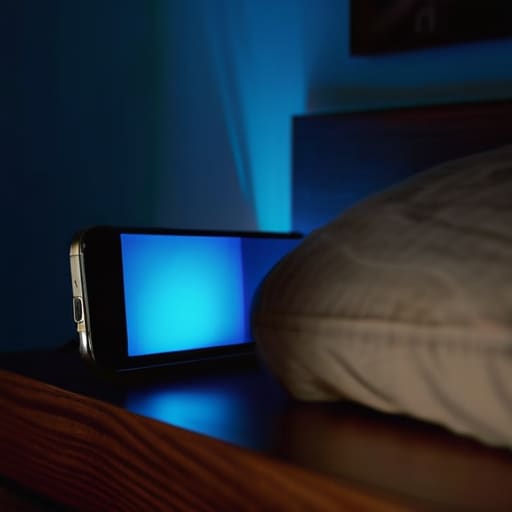
I’ll be the first to admit that my phone is usually the last thing I see before I close my eyes. It’s a hard habit to break, especially when you’re winding down from a long day of managing operations. But here’s the reality: that constant stream of scrolling is doing more than just wasting time. The artificial light from our screens messes with melatonin production naturally, tricking your brain into thinking it’s still mid-afternoon. When you suppress that natural hormone, you’re essentially fighting against your own biology, making it nearly impossible to drift off when you actually want to.
I’ve found that I don’t need to go completely “analog” to see a difference, though. Instead of a total digital blackout, I try to implement a “dimming phase” about an hour before bed. This might mean switching to an e-reader with a warm light setting or simply putting the phone in another room to charge. It’s a small tweak for better circadian rhythm regulation, but it makes a massive impact on how deeply you actually rest. You aren’t looking for a perfect, tech-free lifestyle; you’re just trying to give your brain a clear signal that the workday is officially over.
Small Shifts for Improving Sleep Quality Tonight
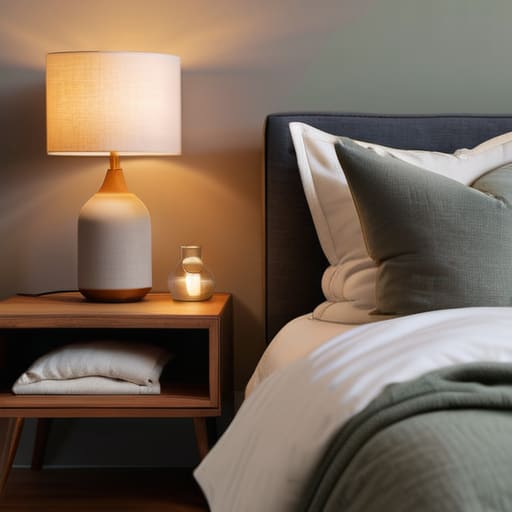
Instead of trying to overhaul your entire life by tomorrow morning, I’ve found that it’s much more effective to focus on a few physical adjustments to your space. Think of it as optimizing your sleep environment to act as a signal to your brain that the workday is officially over. I started by investing in some blackout curtains and a simple white noise machine. It sounds cliché, but removing those tiny, unpredictable sensory inputs—like a streetlamp flickering outside or a neighbor’s car door slamming—makes a massive difference in how deeply you actually rest.
Another thing that helped me was getting serious about temperature. My bedroom used to be a sauna, but I realized that a cooler room is essential for melatonin production naturally. I keep mine around 65 to 68 degrees now. It’s a small, mechanical tweak, but it helps your body transition into that deep, restorative state without you having to fight against your own biology. You don’t need a high-tech smart mattress to see results; you just need to create a space that feels like a sanctuary rather than just another room in the house.
Five low-effort habits to help you actually drift off
- Stop treating your bedroom like an office. If you’re answering emails or scrolling through spreadsheets from your bed, your brain starts to associate that space with stress instead of rest. Try to keep the bed strictly for sleep—it’s a simple way to tell your mind that the workday is officially over.
- Get a little sunlight early in the day. I used to think sleep was only about what I did at night, but I’ve learned that getting even ten minutes of natural light in the morning helps set your internal clock. It makes that evening wind-down feel much more natural.
- Watch the caffeine cutoff. I’m a fan of a good cup of coffee, but I’ve had to learn the hard way that a 3:00 PM espresso is a recipe for a racing mind at midnight. Try to make your last caffeine fix happen before lunch to give your system time to clear it out.
- Create a “brain dump” ritual. If you lie awake thinking about tomorrow’s to-do list, keep that pocket notebook I mentioned on your nightstand. Write down whatever is bugging you or whatever you need to do tomorrow. Once it’s on paper, your brain doesn’t have to work so hard to remember it.
- Keep the temperature cool. There’s a reason we feel better under a heavy duvet in a chilly room. You don’t need a high-tech climate control system; just crack a window or turn down the thermostat a couple of degrees. A slightly cool room is much more inviting for deep sleep.
Finding Your Rhythm

At the end of the day, improving your sleep isn’t about mastering a complex scientific protocol or buying every expensive gadget on the market. It’s really just about the small, intentional choices we make—like dimming the lights an hour before bed to minimize blue light or creating a predictable wind-down ritual that signals to your brain that the workday is officially over. Whether it’s managing your environment or adjusting your evening habits, the goal is to reduce the friction between your busy daylight hours and the rest your body actually needs to function.
I know how tempting it is to try and overhaul your entire life overnight, but I’ve learned through my own trial and error that perfection is the enemy of progress. If you miss a night or fall back into a late-night scrolling habit, don’t sweat it. Just pick up where you left off tomorrow. We aren’t trying to build a flawless lifestyle; we are simply trying to build better foundations one night at a time. Start with one small shift tonight, and let that be enough.
Frequently Asked Questions
Is it actually worth it to switch to physical books instead of reading on a tablet before bed?
Honestly? Yes. I used to scroll through e-readers until my eyes felt like they were vibrating, but the switch to physical books was a game-changer for my wind-down routine. There’s no backlight to trick your brain into thinking it’s noon, and more importantly, there are no notifications to pull you back into “work mode.” It’s a tactile signal to your nervous system that the day is officially done.
What should I do if I can't seem to stick to a consistent sleep schedule on the weekends?
I used to fall into that same trap—treating Saturday like a total reset button, only to pay for it with a brutal Monday morning. My advice? Don’t try to be perfect, just aim for “close enough.” If you can’t stick to your weekday wake-up time, try to keep the weekend shift within a 90-minute window. It’s not about strict discipline; it’s about preventing that massive social jetlag that ruins your rhythm.
Do supplements like magnesium or melatonin actually help, or is it better to stick to natural habits?
Look, I’m a big believer in building foundations first. Supplements like magnesium or melatonin can be helpful tools for getting over a hump, but they aren’t a substitute for a solid routine. If your environment is chaotic or your caffeine intake is late, a pill won’t fix the underlying friction. I’d suggest focusing on those natural habits first; if you’re still struggling, then consider supplements as a way to support—not replace—your systems.
How much does my caffeine intake in the afternoon really impact my ability to wind down at night?
It’s a bigger deal than most of us realize. I used to think that if I wasn’t “jittery,” the caffeine wasn’t working, but that’s a trap. Caffeine has a long half-life; it lingers in your system long after that afternoon latte is gone. Even if you can fall asleep, it often keeps your brain in a shallow, restless state. Try setting a “caffeine cutoff” around 2:00 PM. It’s a simple boundary that protects your evening.