
I used to think that going green meant I had to replace every plastic container in my kitchen with expensive glass jars or spend my entire Saturday composting in a high-tech bin that cost more than my first car. The sheer amount of “lifestyle influencers” telling you that you need a complete, zero-waste overhaul just to be a decent human being is, frankly, exhausting. It feels like a full-time job you never applied for, and quite honestly, it’s just more unnecessary decision fatigue added to an already crowded mental plate. I’m not interested in the performative side of sustainability; I just want practical eco friendly home tips that actually fit into a normal, busy life without draining my bank account or my sanity.
My goal here isn’t to help you achieve some impossible standard of perfection. Instead, I want to share the small, repeatable systems I’ve integrated into my own home—the kind of low-stakes shifts that actually stick over the long haul. We’re going to focus on high-impact, low-effort changes that reduce waste and save money, stripping away the hype to find what actually works.
Table of Contents
Reducing Household Carbon Footprint Without the Complexity

I’ve always found that the biggest barrier to living more sustainably isn’t a lack of willpower; it’s the sheer mental load of trying to do everything at once. When I first started looking into reducing household carbon footprint, I felt paralyzed by the idea of massive renovations or expensive tech. But I’ve learned that the most effective systems are the ones that actually fit into your existing routine without making you feel like you’re working a second job.
Instead of a total overhaul, I focus on small, high-impact shifts. For me, that started with swapping out harsh chemicals for eco friendly cleaning products that actually work but don’t leave my apartment smelling like a laboratory. It’s a tiny change, but it removes the decision fatigue of constantly scanning labels. From there, I looked at my energy use—not by buying solar panels, but by simply being more intentional with how I manage my thermostat and lighting.
The goal isn’t to achieve a perfect, zero-impact life by Tuesday. It’s about finding those small, repeatable wins that lower your footprint while actually making your home feel more organized and intentional. If a change feels too heavy to maintain, it’s probably too big for now.
Energy Efficient Home Improvements That Actually Stick
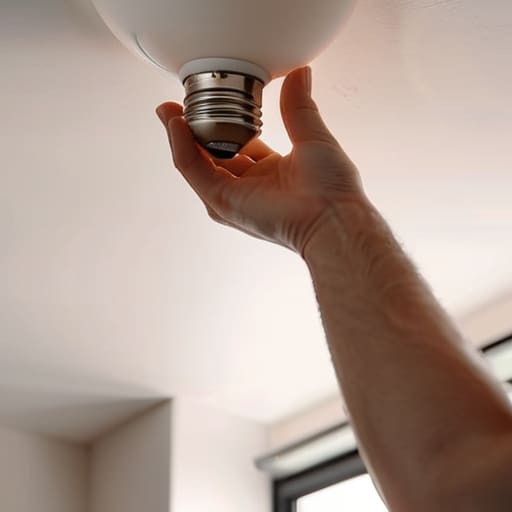
When I first started looking into energy efficiency, I felt overwhelmed by the idea of installing solar panels or replacing every window in the house. That’s a massive capital expense and a huge mental load. But I’ve learned that the most effective energy efficient home improvements are often the ones that require the least amount of heavy lifting. Start with the “low-hanging fruit”—things like swapping out your old incandescent bulbs for LEDs or installing a programmable thermostat. These are small, one-time tasks that immediately begin lowering your utility bills and reducing your environmental impact without requiring a contractor to show up at your door.
Another area where we often leak energy (and money) is through simple drafts. I spent a Saturday afternoon with a roll of weatherstripping and some caulk, sealing up the gaps around my front door and window frames. It’s not glamorous, but it’s incredibly satisfying to feel the temperature stabilize in a room. If you’re looking for more significant shifts, consider how you manage your water usage; implementing simple water conservation techniques for homes, like installing low-flow showerheads, can make a noticeable difference in your monthly consumption. The goal isn’t to turn your house into a high-tech laboratory; it’s just about making small, intentional adjustments that make your living space work better for you.
Low-Stakes Swaps: Small Wins for a Greener Routine
- Stop buying paper towels. I used to keep a roll of them on every counter, but switching to a stack of simple cotton rags changed everything. They’re cheaper, they wash in the machine like normal laundry, and you stop that mindless cycle of throwing money—and trees—in the trash every week.
- Audit your lightbulbs, one room at a time. You don’t need to rip everything out today. Just as a bulb burns out, replace it with an LED. It’s a tiny, invisible shift that slowly lowers your energy bill and your footprint without you even having to think about it.
- Master the “One-In, One-Out” rule for household goods. Before you buy a new cleaning spray or a plastic kitchen gadget, see if something you already own can do the job. It keeps your cabinets from becoming cluttered and prevents that “oops, I bought another one” guilt.
- Simplify your water usage with a simple timer. Whether it’s a shorter shower or being mindful of the dishwasher load, it’s about being intentional rather than restrictive. I find that setting a mental limit helps reduce the decision fatigue of wondering if I’m “wasting” resources.
- Rethink your trash by starting a small compost bin. You don’t need a fancy, expensive setup; even a small, sealed container under the sink works. It turns food scraps from “waste” into something useful, and it keeps a surprising amount of heavy, smelly organic matter out of your landfill bags.
Building a Better Foundation
If you’re feeling a bit overwhelmed by everything we’ve covered, take a breath. We’ve talked about everything from lowering your carbon footprint through smarter consumption to making those energy-efficient upgrades that actually make sense for your budget and your schedule. The goal here wasn’t to give you a massive to-do list that sits there staring at you, gathering dust like an old chair in need of sanding. Instead, I want you to look at these shifts as small, repeatable systems. Whether it’s swapping out a few lightbulbs or being more intentional about what you bring into your home, these changes work because they are sustainable for your lifestyle, not just for the planet.
At the end of the day, I don’t think we need a handful of people doing “eco-friendly” perfectly; we need millions of us doing it imperfectly. Don’t let the pursuit of a zero-waste lifestyle prevent you from making even a single positive change today. Just pick one thing—one small, low-stakes shift—and get it into your routine. Once that feels automatic, move to the next. We aren’t trying to overhaul our entire existence overnight; we are simply building better foundations, one intentional choice at a time. Grab your notebook, jot down your first step, and just start where you are.
Frequently Asked Questions
How do I know if these small changes are actually making a measurable difference in my utility bills?
The best way to tell is to stop looking at the total amount and start looking at the trends. I keep a small log in my notebook of my monthly usage—not just the dollar amount, but the actual kilowatt-hours or therms. If you track those numbers over a few months, you’ll see the baseline shift. It’s about spotting the pattern, not just the single bill. If the usage dips while your habits stay the same, you’ve won.
Are there specific eco-friendly cleaning products that actually work, or am I just paying more for fancy packaging?
Look, I’ve been there. I used to buy those aesthetically pleasing, glass-bottled cleaners thinking I was doing something great, only to realize they barely cut through kitchen grease. Honestly? Most of the time, you are paying for the branding. If you want to save money and mental space, skip the “eco-luxury” aisle. A simple mix of white vinegar, water, and a drop of castile soap works wonders. It’s cheap, effective, and keeps your under-sink clutter to a minimum.
I live in a rental apartment; what are some low-stakes ways to go green without losing my security deposit?
If you’re in a rental, the “no-damage” rule is everything. Forget about swapping out light fixtures or installing smart thermostats that require rewiring. Instead, focus on high-impact, reversible swaps. Grab some LED bulbs to replace the old ones, or use tension rods for blackout curtains to help regulate temperature. Even switching to concentrated cleaning refills saves space and reduces plastic waste. It’s about small, non-permanent wins that don’t risk your deposit.
Where is the best place to start if I feel overwhelmed by all the different "sustainable" options on the market?
Honestly, the best place to start is right where you are. Don’t go out and buy a bunch of expensive, “eco-friendly” gadgets you don’t need—that’s just adding more clutter to your mental load. Instead, look at your trash or your utility bill. What are you consuming the most of? Start by swapping one high-waste item or cutting one mindless energy drain. Small, repeatable wins beat a massive, unsustainable overhaul every single time.