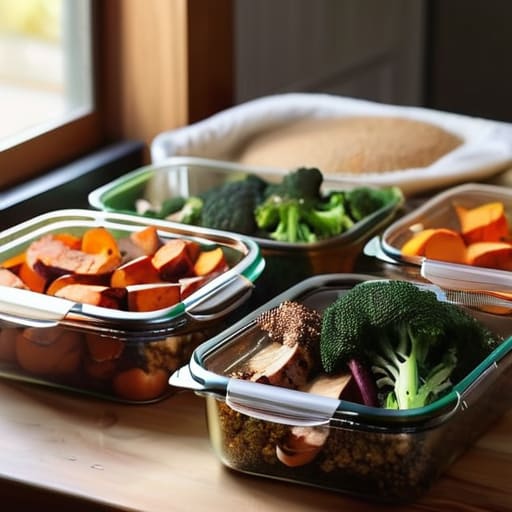

I used to spend my Sunday evenings staring blankly into a fridge full of ingredients, feeling that familiar weight of decision fatigue setting in. By the time I actually sat down to cook, I was too drained to make anything healthy, usually settling for whatever was fastest and least nutritious. I realized that the problem wasn’t a lack of willpower; it was a lack of systems. We often treat cooking like a massive, looming project rather than a series of small, manageable steps. That’s why I started looking for easy meal prep ideas that didn’t require a culinary degree or four hours of my life every weekend. I wanted a way to reclaim my evenings without turning my kitchen into a chaotic laboratory.
In this post, I’m sharing the eight specific strategies I use to keep my nutrition on track while keeping my stress levels low. These aren’t those overwhelming “cook everything at once” tutorials you see on social media; instead, these are practical, repeatable systems designed for real life. I’ll walk you through how to build a foundation that allows you to eat well without thinking about it, so you can spend your energy on the things that actually matter.
Table of Contents
The Component Method
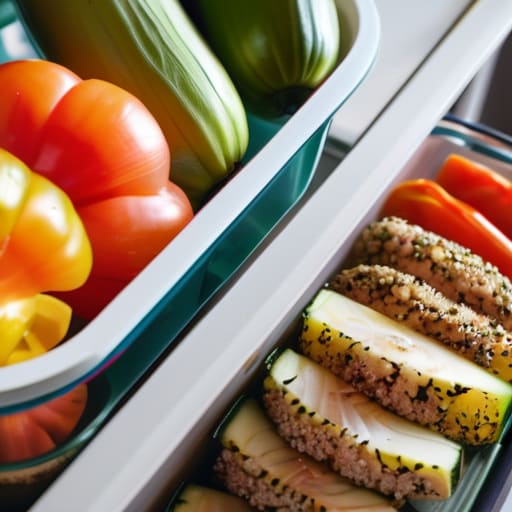
Instead of trying to build entire, complex meals on a Sunday, I’ve found much more success with the component method. This means you aren’t making “Chicken Pasta Bake”; you’re simply roasting two trays of vegetables, boiling a large pot of grains, and prepping a batch of seasoned protein. It keeps the fridge looking organized and, more importantly, it prevents that heavy, weighed-down feeling you get when you eat the exact same heavy casserole four days in a row.
The Sheet Pan Strategy
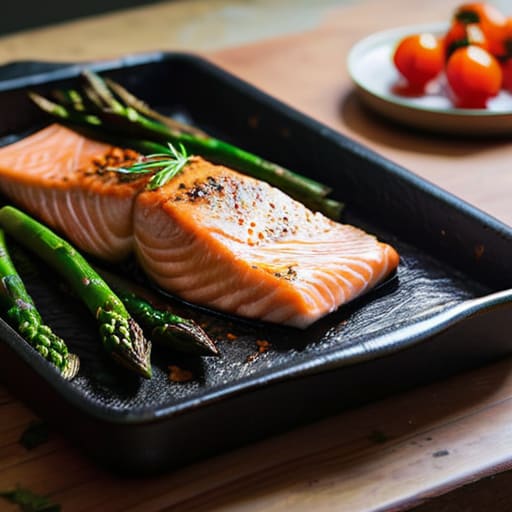
If you want to minimize the time you spend scrubbing dishes, the sheet pan is your best friend. I usually pick one protein and two seasonal vegetables, toss them in olive oil and a handful of dried herbs, and let the oven do the heavy lifting. It’s a low-effort, high-reward system that works whether you’re making salmon and asparagus or sausage and peppers.
Batch-Cooked Grains and Legumes
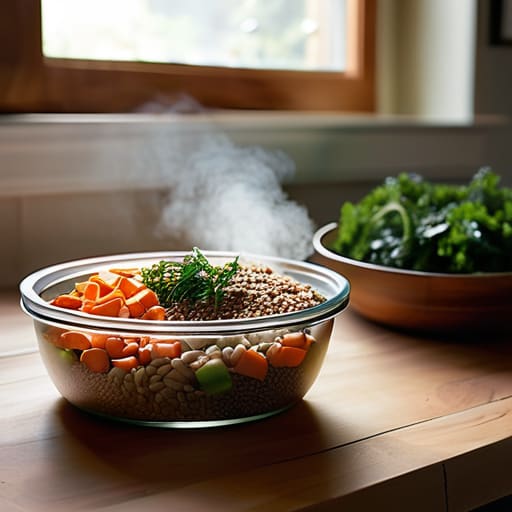
I used to think of grains like quinoa, farro, or brown rice as side dishes, but lately, I’ve treated them as the structural foundation of my meals. Taking twenty minutes on a Sunday to simmer a large pot of grain can save you hours of boiling water throughout the week. These grains are incredibly forgiving; they hold up well in the fridge and can be eaten warm or cold.
The Sauce Secret
This is perhaps my favorite way to keep things interesting without actually cooking more food. You can take the exact same base—say, grilled chicken and steamed broccoli—and turn it into three completely different meals just by changing the sauce. A quick lemon-garlic vinaigrette makes it Mediterranean; a spicy peanut sauce makes it feel more Asian-inspired; and a dollop of pesto makes it feel classic.
Pre-Chopped Veggie Containers
Most of the friction in cooking comes from the prep work—the peeling, the chopping, the cleaning of the cutting board. To bypass this, I’ve adopted a habit of pre-chopping my aromatics. Having a container of minced garlic, diced onions, and sliced bell peppers ready to go removes the biggest psychological barrier to starting a meal.
The Breakfast Jar System
Mornings are often the most chaotic part of the day, and I’ve learned that trying to “decide” what to eat for breakfast is a recipe for disaster. I rely heavily on overnight oats or chia puddings kept in small, reusable glass jars. You prep them the night before—or even better, in a batch of four on Sunday—and they are ready to grab as you head out the door.
One-Pot Wonders
There is a specific kind of peace that comes from knowing you only have one pot to wash after dinner. I lean heavily into stews, soups, and chili during the colder months because they are incredibly easy to scale up. You can make a massive pot of lentil soup on a Sunday, and it actually tastes better on Wednesday after the flavors have had time to meld.
Protein Batching
Protein is often the most expensive and time-consuming part of a meal, so I prefer to batch-cook it all at once. Instead of cooking a single chicken breast every night, I’ll roast a whole tray of thighs or bake a large batch of tofu in the oven. Once it’s cooled, I portion it out into airtight containers immediately.
Small Wins in the Kitchen
At the end of the day, these eight ideas aren’t about becoming a gourmet chef or spending your entire Sunday hovering over a stove. It’s really just about building better foundations through small, manageable steps—whether that’s batch-cooking a single versatile grain, pre-chopping your aromatics, or simply having a reliable “emergency” frozen meal on hand. The goal isn’t to transform your entire lifestyle overnight; it’s to implement a few repeatable systems that take the guesswork out of your Tuesday night. By prepping even just one or two of these elements, you’re effectively buying back your own time and reducing that mental clutter that usually hits right around 6:00 PM.
I’ve learned through my own trial and error that perfection is the enemy of progress. If you only manage to prep one sauce this week, consider that a win. If you only wash your greens and call it a day, that’s still a step toward a more intentional life. We aren’t chasing some idealized version of domestic bliss; we are just trying to reclaim our mental space so we can focus on the things that actually matter. Start small, stay consistent, and remember that every little bit of preparation is an investment in a calmer, more focused version of yourself.
Frequently Asked Questions
How do I keep my prep meals from tasting like cardboard by Thursday?
The “cardboard” problem usually comes down to two things: moisture and texture. If you’re reheating everything in one go, you’re basically steaming your food into mush. I’ve found that keeping sauces on the side—in tiny separate containers—makes a world of difference. Also, try not to overcook your proteins during the initial prep. Leave them slightly underdone; the microwave will finish the job on Thursday without turning your chicken into rubber.
I only have about an hour on Sundays—how much can I actually get done without burning out?
Look, I get it. The idea of spending your entire Sunday in a flour-dusted kitchen sounds more like a chore than a way to save time. If you’ve only got sixty minutes, don’t try to cook five full meals. Focus on “component prepping” instead. Chop your onions, roast a big tray of veggies, and boil some grains. That’s it. You aren’t building a feast; you’re just building the foundation for the week ahead.
What are the best containers for keeping things fresh without spending a fortune on glass?
Look, I used to think I needed a matching set of expensive glass canisters to feel “organized,” but that’s just more decision fatigue. Honestly? High-quality BPA-free plastic is your best friend. Look for brands like Rubbermaid Brilliance; they seal tight, stack perfectly, and won’t shatter if you drop them. If you’re prepping grains or greens, even simple silicone bags work wonders. Focus on the airtight seal, not the price tag.
How do I balance these systems when my work schedule or social life suddenly shifts?
Look, life isn’t a spreadsheet; it’s going to deviate. When my work schedule blows up or a friend calls for a last-minute dinner, I don’t try to force the old system. I just scale back. If I can’t do the full Sunday prep, I’ll just chop two onions and boil some eggs. Aim for the “minimum viable version” of your habit. It’s better to do 10% than to abandon the system entirely.