
I used to think that bringing nature indoors was a recipe for disaster. My early attempts at gardening usually ended the same way: a graveyard of dried-out leaves and expensive mistakes that left me feeling more stressed than relaxed. We often treat plant care like a high-stakes hobby, but for those of us juggling careers and busy schedules, the sheer amount of research can feel like just another form of decision fatigue. I realized that the trick isn’t to become a botanist overnight; it’s about selecting the right houseplants for beginners that actually work with your lifestyle, rather than against it.
In this guide, I’ve narrowed it down to eight specific plants that I personally rely on to keep my space feeling alive without requiring a second job to maintain. We aren’t going to dive into complex soil pH levels or humidity chambers here. Instead, I’m going to show you how to build a low-maintenance foundation of greenery that thrives on a bit of neglect. By the end of this list, you’ll have a clear, repeatable system for choosing plants that bring calm to your home instead of clutter to your mental space.
Table of Contents
- The Indestructible Snake Plant
- Pothos: The Living Vine
- ZZ Plant: The Low-Light Legend
- Spider Plant: The Easy Multiplier
- Peace Lily: The Gentle Communicator
- Aloe Vera: Function Meets Form
- Monstera Deliciosa: The Statement Piece
- Rubber Tree: The Sturdy Classic
- Finding Your Green Rhythm
- Frequently Asked Questions
The Indestructible Snake Plant
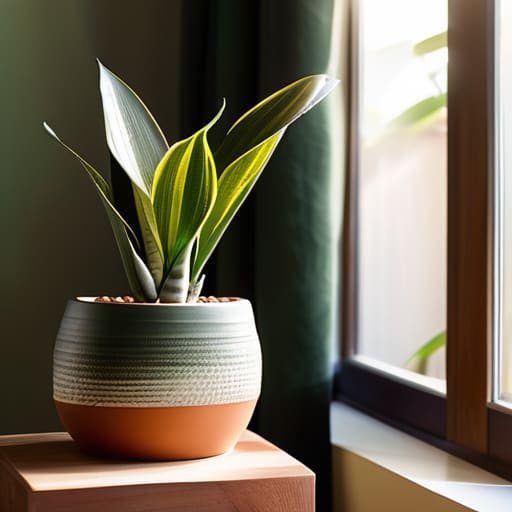
If you’re anything like I was when I first started, you probably tend to overthink things—or worse, forget them entirely. The Snake Plant is my go-to recommendation because it thrives on a bit of neglect. It doesn’t need a strict schedule; it just needs you to occasionally remember it exists. It’s the perfect way to add some vertical structure to a room without adding any extra stress to your mental load.
Pothos: The Living Vine
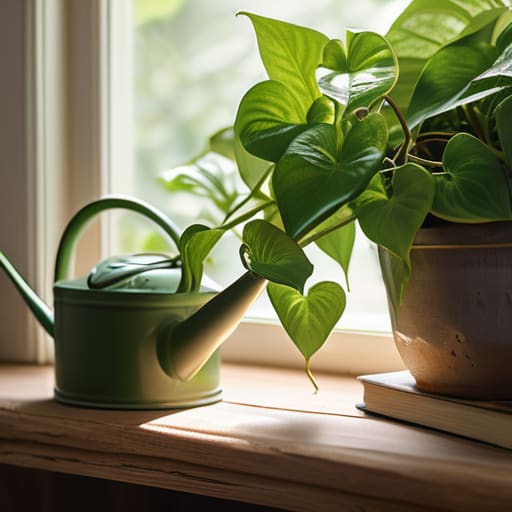
There is something incredibly rewarding about watching a Pothos vine slowly drape itself over a bookshelf. I call these “confidence builders” because they are very communicative. When they need water, the leaves will start to look a little limp, giving you a clear signal that it’s time to step in. It’s a simple, visual feedback loop that helps you learn the rhythm of plant care.
ZZ Plant: The Low-Light Legend
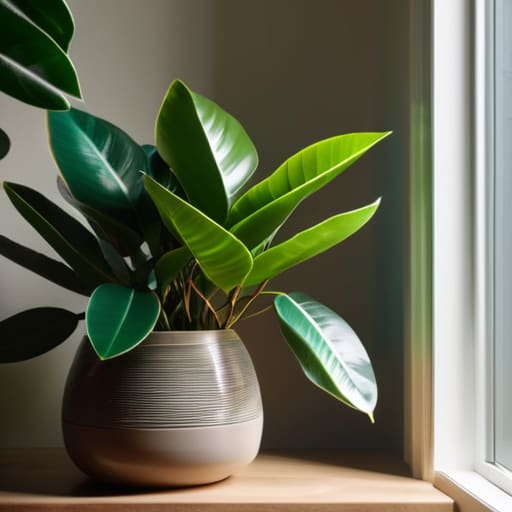
Not every corner of your home is going to be a sun-drenched sanctuary, and that’s okay. The ZZ Plant is built for those dimmer, more shadowed spots in an apartment. It has these beautiful, waxy leaves that look almost artificial because they stay so vibrant and polished with very little help. It’s a great choice if your living space doesn’t get a lot of natural afternoon light.
Spider Plant: The Easy Multiplier
I’ve always appreciated the Spider Plant for its sheer resilience and the way it “gives back.” As it matures, it sends out long runners with tiny baby plants—or “spiderettes”—clinging to the ends. It’s a bit like a natural system of reproduction happening right on your coffee table. You can eventually snip these off and start new plants, which is a fun, low-stakes way to expand your collection.
Peace Lily: The Gentle Communicator
If you want a plant that actually talks to you, the Peace Lily is your best bet. It has a dramatic way of “fainting” when it’s thirsty, dropping its leaves significantly to let you know it needs a drink. While it might look like a crisis is happening, it’s usually just a gentle nudge to check the soil. Once you water it, it perks back up remarkably fast.
Aloe Vera: Function Meets Form
I’m a big believer in tools that serve more than one purpose, and Aloe Vera is the ultimate example. Not only does it look striking with its architectural, spiked leaves, but it’s also a practical addition to your home pharmacy. If you ever pick up a minor kitchen burn or have a bit of skin irritation, the gel inside those leaves is incredibly soothing.
Monstera Deliciosa: The Statement Piece
Once you feel like you’ve got the basics down, the Monstera is the logical next step. It’s a bit more ambitious, but the reward is a massive, leafy presence that can completely transform the vibe of a room. Those iconic holes in the leaves—what botanists call fenestrations—give it an exotic, sculptural quality that few other plants can match.
Rubber Tree: The Sturdy Classic
The Rubber Tree is a fantastic option if you want something that feels substantial and grounded. Its thick, leathery leaves have a deep, moody color that adds a sense of sophistication to any workspace. It’s a sturdy plant that can handle the occasional lapse in your attention, making it a reliable partner for a busy professional.
Finding Your Green Rhythm
At the end of the day, starting an indoor garden isn’t about having a perfectly curated jungle or a green thumb that defies the laws of nature. It’s really just about selecting a few resilient companions—like the Snake Plant or a hardy Pothos—and establishing a consistent rhythm of care. Remember, the goal isn’t to master complex botany overnight; it’s simply to find a few low-maintenance species that fit into your existing schedule without adding to your mental load. If you can manage a weekly check-in and a bit of light, you’ve already done the heavy lifting required to build a foundation that lasts.
Don’t get discouraged if a leaf turns yellow or a plant doesn’t quite make it. I’ve lost more than my fair share of greenery while figuring out my own space, and honestly, that’s just part of the process. Gardening is a series of small, repeatable adjustments, much like any other habit we try to build in our lives. Instead of chasing a perfect aesthetic, just focus on the small wins and the quiet calm that a bit of living color brings to your room. You don’t need to be an expert to enjoy the view; you just need to start where you are.
Frequently Asked Questions
How do I know if I'm actually watering my plants too much or just enough?
The simplest way to tell? Stop following a calendar and start using your hands. Stick your finger about an inch into the soil; if it feels damp, walk away. If it’s bone dry, it’s time to water. If you’re still unsure, look at the leaves. Yellowing, mushy leaves usually mean you’re overdoing it, while drooping or crispy edges signal thirst. It’s less about a schedule and more about learning the rhythm of the plant.
I don't have much natural light in my apartment; can I still make this work?
You absolutely can. I used to live in a basement apartment with almost zero sunlight, and I felt like I was fighting a losing battle. The trick isn’t to force a sun-loving plant to survive in the dark; it’s about choosing the right tools. Grab a simple LED grow light—they’re small, unobtrusive, and a total game-changer—and stick to the low-light varieties we discussed. It’s about working with your space, not against it.
What’s the best way to keep these plants alive if I have to travel for work?
Look, I get it. My job used to keep me on the road constantly, and I used to come home to nothing but dried-out soil. Don’t overcomplicate it. If you’re gone for a few days, just group your plants together in one spot to create a little humidity pocket. For longer trips, a simple self-watering spike or even a basic terracotta watering globe works wonders. It’s about building a system that works while you’re away.
Are there any specific plants I should avoid if I have pets running around the house?
This is a crucial question. If you have cats or dogs, you have to change your approach. I used to think a lush jungle was the goal, but a single nibble on a Lily or a Pothos can turn a peaceful afternoon into an emergency vet visit. Stick to pet-safe options like Spider Plants or Calatheas. It’s better to have a smaller, safe collection than a beautiful one that puts your companions at risk.