

I remember sitting at my desk three years ago, staring at a half-empty bag of gummy bears and feeling that familiar, heavy fog settle over my brain. I had just spent forty minutes trying to figure out a simple scheduling conflict, but my focus was shot, and my energy was crashing hard. I realized then that my “quick fixes” were actually the very things sabotaging my productivity. Most people will tell you that learning how to reduce sugar requires a complete pantry overhaul or some expensive, trendy superfood diet, but that’s just more noise. To me, that kind of radical change is a recipe for burnout, not balance.
I’m not here to sell you on a lifestyle overhaul that feels like a second job. Instead, I want to share the small, repeatable systems I used to reclaim my energy without losing my mind. We’re going to look at practical, low-friction swaps that fit into a busy workday. My goal is to help you build a better foundation through steady, manageable shifts rather than chasing some impossible standard of perfection.
Table of Contents
Unmasking the Hidden Sugars in Processed Foods
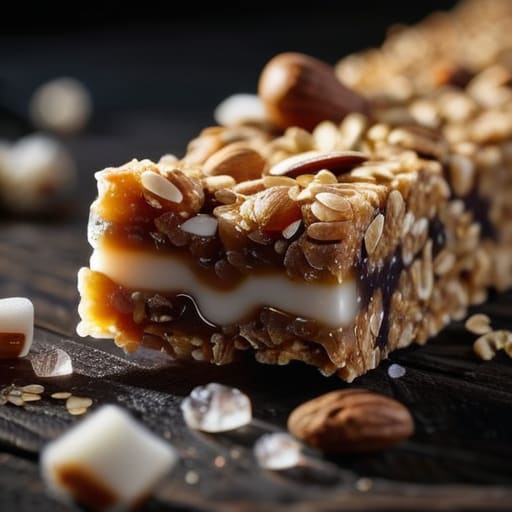
I remember the first time I really looked at a nutrition label properly. I was grabbing a “healthy” granola bar after a long shift, thinking I was doing something right, only to realize I was essentially eating a candy bar in disguise. It’s a common trap. Manufacturers are masters at using different names to hide the truth, and once you start spotting these hidden sugars in processed foods, you can’t unsee them. Whether it’s maltodextrin, high fructose corn syrup, or even “natural” cane juice, they all serve the same purpose: keeping you hooked on a cycle of energy crashes.
The trick isn’t to become a forensic scientist overnight, but to start looking for the patterns. I’ve found that most of the culprits live in the “convenience” aisles—dressings, pasta sauces, and even flavored yogurts. When we consume these concentrated sweeteners, we aren’t just adding calories; we are constantly managing blood sugar spikes that leave us feeling exhausted by 3:00 PM. Instead of trying to overhaul your entire pantry in one afternoon, just start by reading the back of one label a day. It’s about building that awareness so you can make a choice based on intention rather than habit.
Simple Systems for Managing Blood Sugar Spikes
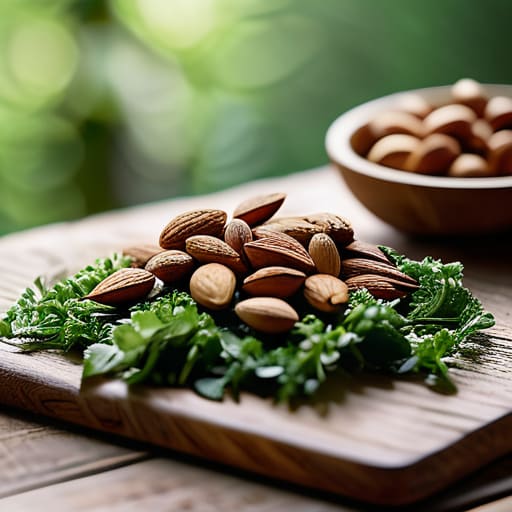
Instead of trying to overhaul your entire diet overnight, I’ve found that the most sustainable way to approach this is by focusing on the order in which you eat. When I was first trying to get my energy levels under control, I realized that eating carbohydrates on an empty stomach was a recipe for a mid-afternoon crash. Now, I follow a simple rule: fiber and protein first. By starting a meal with a handful of greens or some nuts, you create a sort of buffer in your digestive system. This is one of the most effective ways of managing blood sugar spikes because it slows down the absorption of glucose into your bloodstream.
I also lean heavily on the concept of “pairing.” If you’re going to have something sweet or a piece of fruit, never let it stand alone. I always pair my snacks with a healthy fat or a protein—think apple slices with almond butter rather than just the apple. This shift moves you away from the rollercoaster of highs and lows and toward a more stable baseline. It’s not about deprivation; it’s about using low glycemic index foods to build a more predictable energy pattern. It’s a small, repeatable system that takes the guesswork out of your afternoon slump.
Five Small Systems to Lower Your Sugar Intake
- Start with a “one-for-one” swap. Instead of overhaulng your entire pantry, just pick one thing—like your morning sweetened yogurt—and swap it for a plain version with fresh berries. It’s a small win that doesn’t trigger that feeling of deprivation.
- Read labels like you’re auditing a budget. I used to ignore the “Nutrition Facts” until I realized how many things I was buying were actually dessert in disguise. Look for words ending in “-ose”—like fructose or maltose—because that’s where the sneaky sugar hides.
- Prioritize protein and healthy fats at every meal. When you build a foundation of eggs, avocado, or nuts, your blood sugar stays much more stable, which naturally kills those mid-afternoon cravings that usually lead me straight to the vending machine.
- Keep a “low-sugar kit” in your bag or desk. I keep a small bag of almonds or a high-quality dark chocolate bar nearby. Having a deliberate, controlled choice prevents the “emergency” sugar grab when your energy dips during a long meeting.
- Don’t drink your calories. It sounds simple, but switching from sodas or sweetened lattes to sparkling water or black coffee is probably the single most effective way to reclaim your mental space from sugar crashes.
Finding Your Rhythm
At the end of the day, reducing sugar isn’t about a radical lifestyle overhaul or punishing yourself with restriction. It’s about the systems we discussed: learning to read those sneaky labels on processed snacks, managing your energy through smarter meal timing, and understanding how to stabilize your blood sugar so you aren’t riding a constant rollercoaster of highs and lows. If you can just focus on making better choices in the small moments, the bigger picture starts to take care of itself. You don’t need to overhaul your entire pantry overnight; you just need to start building a more intentional foundation for how you fuel your body.
I know how overwhelming it feels to try and “fix” your diet when your schedule is already packed. But remember, I’m not asking for perfection—I’m asking for progress. If you slip up and grab a soda or a pastry, don’t let it derail your entire week. Just pick up your pen, note what happened, and get back to your system at the next meal. Life is too short to spend it feeling guilty about a sugar craving. Focus on the long game, stay consistent with your small swaps, and trust that these tiny, repeatable habits will eventually lead to a much clearer, more energized version of yourself.
Frequently Asked Questions
How do I handle those intense sugar cravings when they hit in the middle of a workday?
When those cravings hit mid-afternoon, my first instinct is to reach for something quick, but that usually just triggers a cycle of spikes and crashes. Instead, I’ve started using a simple “buffer” system. I keep a handful of raw almonds or a hard-boiled egg at my desk. Pairing a small amount of protein or healthy fat with whatever you’re craving helps stabilize your blood sugar and takes the edge off the urgency.
Are there any natural sweeteners I can use that won't mess with my energy levels?
I’ve spent a lot of time trial-and-erroring this myself. If you want to avoid that mid-afternoon crash, steer clear of honey or agave; they’re still essentially liquid sugar. I usually reach for stevia or monk fruit when I need a bit of sweetness without the spike. They’re much more stable for your energy. Just a tip: start with a tiny amount. These can be intense, and I’d rather build a steady foundation than overcorrect.
How much of an impact will cutting out sugar actually have on my sleep and focus?
Honestly, the impact is usually much faster than people expect. When you stop the constant glucose roller coaster, you stop the mid-afternoon brain fog that makes those 3:00 PM meetings feel impossible. Your focus becomes steady rather than frantic. As for sleep, you’ll likely notice fewer “sugar crashes” in the evening that disrupt your rest. It’s not magic, just a more stable foundation for your brain to actually function.
If I'm eating out, what are some quick ways to spot hidden sugar in restaurant meals?
When I’m dining out, I don’t try to play detective with every ingredient—that just leads to decision fatigue. Instead, I look for the red flags. I steer clear of heavy glazes, sweet dressings, and anything labeled “marinated” or “balsamic,” as those are often sugar traps. If a sauce looks thick or glossy, I assume there’s sugar in it. My best move? Ask for dressings on the side and stick to simple, grilled proteins.