

I remember sitting at my desk three years ago, staring at a spreadsheet until the numbers started to blur into gray static. I had just spent my “break” scrolling through a newsfeed, my thumb twitching rhythmically, feeling more drained than when I started. We’ve been sold this lie that a break means escaping into a screen, but that’s not a rest—it’s just more input. I spent years thinking I had to master some complex mindfulness ritual to recover, but I eventually realized that learning how to take better breaks isn’t about doing something fancy; it’s about doing something different.
I’m not here to sell you on a ten-step meditation retreat or a subscription to a wellness app. Instead, I want to share the small, repeatable systems I’ve built into my own workday to stop the mental bleed. We’re going to focus on low-friction habits that actually clear your head without adding more tasks to your to-do list. My goal is to help you build a foundation of rest that feels sustainable, not like another chore you’re failing at.
Table of Contents
Using Micro Breaks for Concentration Without the Chaos
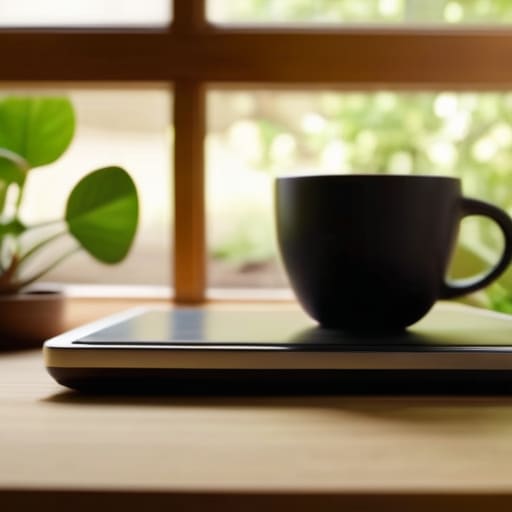
I used to think that if I just powered through my to-do list without stopping, I’d finish faster. In reality, I was just staring at my monitor, paralyzed by a fog I couldn’t shake. That’s where the concept of micro-breaks for concentration comes in. Instead of waiting until you’re completely fried to step away, try setting a timer for something small—maybe twenty-five or fifty minutes of deep work. When the timer goes off, you step away for just three to five minutes. It’s not about escaping your responsibilities; it’s about preventing the slow slide into mental fatigue before it actually happens.
The trick is understanding the difference between active vs passive breaks. A passive break is scrolling through your phone, which—ironically—tends to keep your brain in a state of constant input. If you want true cognitive recharge strategies that actually work, you need to do something that requires zero decision-making. I personally find that stepping away from my desk to stretch or simply staring out the window for a moment works wonders. By choosing a low-stimulation activity, you give your brain the space it needs to reset its focus without adding more digital noise to the pile.
Simple Systems for Effective Mental Fatigue Recovery

When I first started managing operations, I used to think “resting” meant staring at my phone for twenty minutes. I was wrong. Scrolling through newsfeeds or social media isn’t actually a break; it’s just more input for an already overloaded brain. If you want real mental fatigue recovery, you have to understand the difference between active vs passive breaks. A passive break is just sitting there, while an active break involves a small, intentional shift in your environment or physical state.
For me, the most effective system is a simple movement ritual. Every time I hit a wall, I step away from the screen, grab my notebook, and walk to the window or step outside for just three minutes. This isn’t about being productive; it’s about preventing burnout at work by giving your eyes and your mind a chance to reset. You don’t need a complex schedule or a meditation app to make this work. Just pick one physical action—stretching, watering a plant, or even just making a fresh cup of tea—and make it your default response when the brain fog starts to roll in. It’s about building a reliable foundation for your focus.
Five Small Shifts to Make Your Breaks Actually Work
- The “No-Screen” Rule. When I step away from my desk, the first thing I do is leave my phone behind. If your break involves scrolling through more digital noise, your brain isn’t actually resting; it’s just switching tasks. Try looking at something physical instead—a plant, the view outside, or even just the grain of your wooden desk.
- Movement Without a Goal. You don’t need a full gym session to reset. I’ve found that just five minutes of intentional movement—stretching my shoulders or walking to the end of the block—is enough to break the physical stagnation of a long work block. It’s about changing your state, not hitting a personal best.
- Hydration as a Trigger. I use my water bottle as a built-in timer. Every time I finish a glass, it’s a signal to stand up, refill, and step away from the screen for two minutes. It turns a basic biological need into a repeatable system for mental recovery.
- Curate Your Sensory Input. If your workspace is loud or cluttered, your breaks should be the opposite. I keep a pair of noise-canceling headphones nearby, not just for deep work, but to create a “quiet zone” during my downtime. Sometimes, the most productive thing you can do is simply lower the volume of the world.
- The Notebook Brain Dump. If you find yourself unable to relax because your mind is racing with “to-dos,” grab your pocket notebook. Spend sixty seconds writing down everything swirling in your head. Once it’s on paper, your brain feels permission to stop looping those thoughts, allowing you to actually enjoy your time off.
Building Your Foundation

At the end of the day, taking better breaks isn’t about adding more tasks to your to-do list or finding some magical way to achieve perfect focus. It’s about the small, repeatable systems we talked about—using those micro-breaks to reset your concentration and choosing recovery methods that actually address your mental fatigue rather than just scrolling through your phone. I’ve learned through my own career transitions that consistency beats intensity every single time. You don’t need a scheduled hour of meditation to see results; you just need to protect those small pockets of time to prevent the slow creep of burnout.
As I sit here at my desk, looking over my notes for tomorrow, I’m reminded that we aren’t trying to optimize ourselves into machines. We are just trying to build a more sustainable way to live. If you find yourself slipping back into the old habit of powering through until your brain feels like static, don’t beat yourself up. Just grab your notebook, step away for five minutes, and start again. Life is far too complex to spend it feeling perpetually drained. Focus on building better foundations, one small reset at a time, and let the rest fall into place naturally.
Frequently Asked Questions
How do I actually schedule these breaks without feeling like I'm falling behind on my to-do list?
I used to feel that same guilt—like every minute away from my desk was a minute lost. But I’ve learned to stop treating breaks as “time off” and start seeing them as “maintenance.”
Is there a difference between scrolling on my phone and a "real" break, or is that just a distraction?
To be honest, there’s a massive difference. I used to think scrolling through newsfeeds was “relaxing,” but I realized it was actually just trading one form of input for another. Your brain isn’t resting; it’s processing a relentless stream of dopamine hits and information. A real break is about removing input to let your mind settle. If you’re still consuming, you’re just distracting yourself, not recovering.
What should I do if my job doesn't allow me to step away from my desk whenever I want?
I get it—sometimes your desk feels more like a tether than a workstation. When you can’t physically walk away, you have to master the “internal reset.” Try the 20-20-20 rule: every twenty minutes, look at something twenty feet away for twenty seconds. It’s a tiny, invisible shift that breaks the mental loop. Even if you’re stuck in a chair, changing your visual focus or doing a quick seated stretch can reclaim a little bit of your headspace.
How can I tell the difference between needing a quick five-minute reset and needing to call it a day entirely?
It’s a fine line, but I usually check my “internal engine.” If I’m just feeling a bit scattered or my focus is drifting, a five-minute walk or a quick stretch usually clears the fog. But if I’m staring at the same sentence for ten minutes or feeling a genuine sense of dread about my next task, that’s not fatigue—that’s burnout. When the system is broken, stop trying to patch it and just go offline.