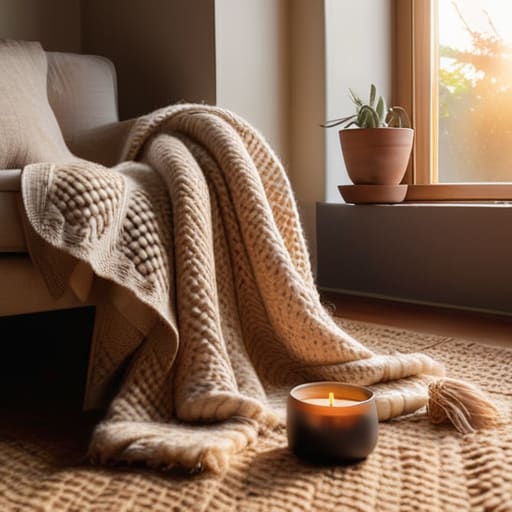

I remember sitting on the floor of my first studio apartment, surrounded by half-unpacked boxes and the harsh, clinical glare of a single overhead light. It felt less like a sanctuary and more like a temporary holding cell. I spent way too much money that year trying to follow every “aesthetic” trend on social media, thinking that a massive investment in expensive decor was the only way to learn how to make your home cozy. But all I ended up with was a space that looked like a showroom and felt completely lifeless.
I’ve learned the hard way that coziness isn’t something you buy in a single transaction; it’s a series of small, intentional systems that settle your nervous system the moment you walk through the door. In this guide, I’m not going to suggest a total renovation or a massive shopping spree. Instead, I want to share the practical, low-friction shifts I use to turn a house into a functional retreat. We’re going to focus on building a foundation of comfort that actually reclaims your mental space without adding more clutter to your life.
Table of Contents
Simple Warm Lighting Techniques for Instant Softness
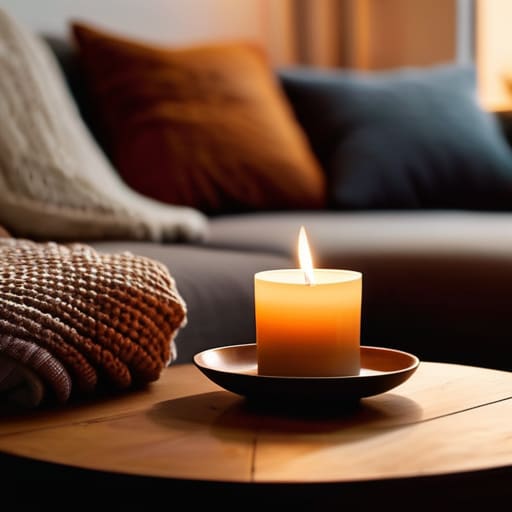
If you take nothing else away from this, remember this: the “big light” is the enemy of relaxation. We’ve all been there—walking into a room only to be hit by a harsh, clinical overhead glare that makes your living room feel more like a doctor’s office than a place to unwind. To fix this, I rely on a few specific warm lighting techniques that prioritize soft, indirect glow over sheer brightness.
Instead of one powerful source, aim for several smaller ones. I like to place a small task lamp on a side table or a floor lamp in a corner to create pools of light rather than a flat wash of brightness. If you’re looking for a quick win, switch your bulbs to a “warm white” or even a soft amber hue. It’s a tiny change, but it’s one of those essential sensory home decor tips that immediately signals to your brain that the workday is over.
I also find that using dimmers or even smart bulbs is a game-changer for creating a sanctuary at home. Being able to dial the light down to a low hum as the sun sets helps bridge that gap between a productive afternoon and a restful evening. It’s not about being fancy; it’s just about controlling the environment so it works for you, not against you.
The Art of Textile Layering for Comfort

If lighting sets the mood, then textiles provide the soul. I’ve learned through years of trying to declutter my space that comfort isn’t about having a mountain of pillows; it’s about the intentional way you stack textures. When I’m working on a furniture restoration project, I often find myself thinking about how different materials interact. The same applies to your sofa or bed. Instead of buying a matching set, try mixing materials. Pair a heavy, chunky knit throw with a smooth linen cushion. This approach to textile layering for comfort creates a visual depth that makes a room feel lived-in rather than just “decorated.”
The goal here is to engage more than just your eyes. Part of my personal philosophy on creating a sanctuary at home is to focus on how a space feels against your skin. A velvet pillow or a high-quality wool rug provides a tactile richness that a sterile, single-material room simply lacks. You don’t need to overhaul your entire living room to see the difference. Just start with one corner—maybe your favorite reading chair—and add a soft layer. It’s a small, repeatable system that transforms a house from a mere building into a place where you can actually unwind and breathe.
Five Low-Effort Shifts for a More Grounded Space
- Bring the outside in, but keep it simple. I’ve found that a single, healthy leafy plant on a side table does more for the “soul” of a room than a dozen cheap plastic decorations ever could. It adds life without adding clutter.
- Curate a sensory corner. You don’t need a scented candle for every room; just pick one high-quality scent—maybe something woody or earthy—and use it intentionally. It signals to your brain that it’s time to decompress.
- Clear the visual noise. We often mistake “stuff” for “cozy,” but a cluttered coffee table actually creates subconscious stress. Keep your surfaces mostly clear, leaving room only for things that serve a purpose or bring you genuine calm.
- Invest in a “landing strip” for your essentials. Create a dedicated, organized spot near your entryway for your keys, wallet, and that pocket notebook of mine. When you aren’t hunting for your gear, your home feels like a sanctuary rather than a source of chaos.
- Incorporate natural textures. If your space feels too “corporate” or sterile, swap out a smooth plastic tray for a wooden one, or a metal bowl for something ceramic. Those small, tactile shifts make a room feel much more human and approachable.
Finding Your Rhythm
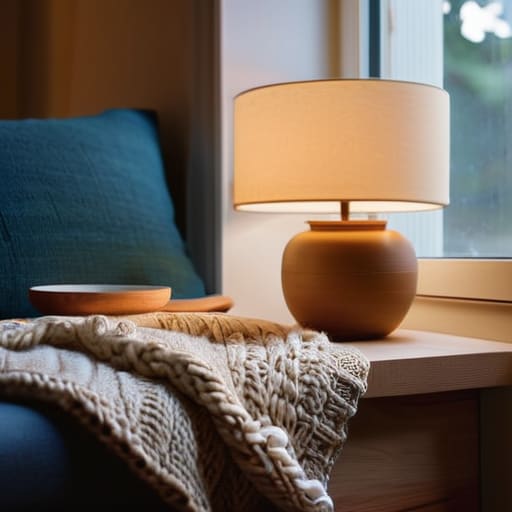
At the end of the day, making a home feel cozy isn’t about buying a dozen expensive pillows or redesigning your entire floor plan. It’s about the small, intentional choices we discussed—swapping out that harsh overhead light for a warm lamp, or adding a single textured throw to the end of the sofa. These aren’t just decor tips; they are small, repeatable systems designed to signal to your brain that the workday is over and it is finally time to decompress. When you focus on lighting, textiles, and a few personal touches, you stop living in a house that just functions and start living in a space that actually supports your well-being.
I know how easy it is to get overwhelmed by the idea of “perfect” home styling, especially when life feels chaotic. But please, don’t let the pursuit of a Pinterest-perfect aesthetic stop you from enjoying the space you already have. You don’t need a total renovation to find peace; you just need to build a better foundation, one layer at a time. Start with one corner, one soft light, or one comfortable chair. My goal isn’t for you to create a showroom, but to help you build a true sanctuary where you can finally quiet the noise of the outside world.
Frequently Asked Questions
I don't have a huge budget—what are some cheap or DIY ways to add coziness without buying expensive decor?
Look, I’ve been there. You don’t need a massive budget to change the energy of a room. Start by “editing” rather than buying; clearing the visual clutter often does more for coziness than any new gadget. If you want to add something, think sensory. Scents like cinnamon or sandalwood, or even just rearranging the furniture to face a window or a fireplace, costs nothing. It’s about intention, not the price tag.
How do I make a space feel cozy without it feeling cluttered or messy?
The trick is to focus on quality over quantity. Instead of adding more “stuff,” look at what you already have through the lens of texture and purpose. I always tell myself: if it doesn’t serve a function or bring me genuine calm, it doesn’t belong on the surface. Swap out plastic organizers for wooden trays or ceramic bowls to corral small items. It keeps the visual noise down while adding that tactile, grounded warmth we’re after.
My apartment is quite small; how can I create these cozy layers without making the room feel cramped?
That’s the classic small-space dilemma: how to add warmth without feeling like you’re living in a storage unit. My rule of thumb is to think vertically rather than horizontally. Instead of bulky floor pillows, try a high-quality knit throw draped over a chair, or swap heavy curtains for sheer linen ones that catch the light. It’s about adding texture and “visual softness” rather than physical mass. Keep the floor clear, and the room will breathe.
Are there specific scents or sounds I should consider to help round out the sensory experience of a cozy home?
Scent and sound are the invisible layers that really pull a room together. For me, it’s about avoiding anything too artificial. I stick to single-note soy candles—think sandalwood or cedar—to keep things grounded. As for sound, I’ve found that a low-volume lo-fi playlist or even just a dedicated white noise machine helps mask the jarring city sounds outside. It’s not about filling the space; it’s about creating a consistent, gentle atmosphere.