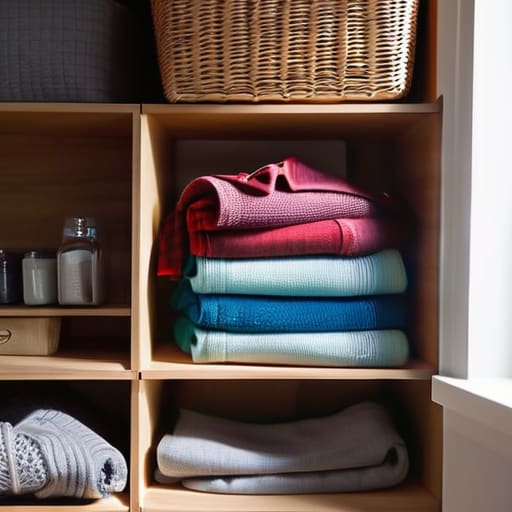

I remember standing in my hallway last October, staring at a mountain of half-packed bins that felt more like a barricade than an organization system. I had spent a small fortune on those fancy, color-coded vacuum bags and heavy-duty plastic trunks, thinking I had finally mastered how to store seasonal items once and for all. Instead, I just ended up with a logistical nightmare—a collection of expensive boxes that were impossible to stack, even harder to label, and even more frustrating to dig through when the first frost actually hit.
I’m not here to sell you on a boutique organizational lifestyle or a list of expensive gadgets you don’t actually need. My goal is much simpler: I want to help you build a repeatable system that actually works when you’re tired and short on time. We’re going to skip the aesthetic perfection and focus on practical, low-friction methods for getting your gear out of sight and out of mind. I’ll show you how to reclaim your living space by creating a foundation that actually lasts beyond a single weekend of cleaning.
Table of Contents
Choosing the Best Bins for Seasonal Storage
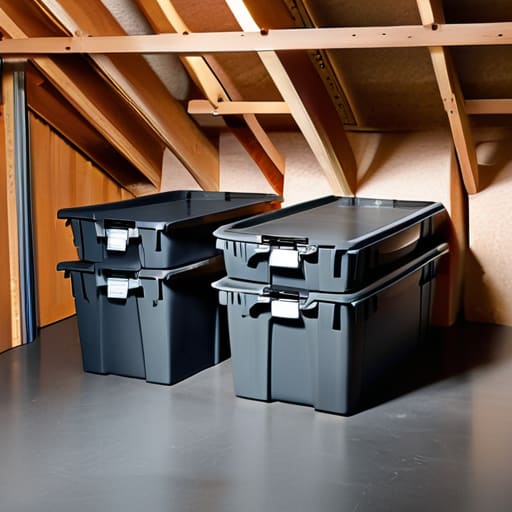
When I first started tackling my own storage situation, I made the mistake of buying whatever cheap plastic bin was on sale at the big-box store. A few months later, I found my holiday lights tangled in a mess of cracked plastic and crushed boxes. If you want to avoid that headache, you need to be intentional about your best bins for seasonal storage. For heavy items like heavy winter coats or bulky kitchen appliances, go with heavy-duty, opaque plastic totes with locking lids. They stack beautifully, which is essential if you are maximizing attic storage space where every inch counts.
For the more delicate stuff—the things that actually matter to your memories—I recommend a different approach. When it comes to protecting fragile ornaments or heirloom textiles, skip the cheap bins and opt for clear, airtight containers. Being able to see exactly what’s inside without unstacking five different boxes is a huge win for your mental clarity. I also like to use soft, breathable fabric bins for linens or seasonal clothing; they prevent that musty, “attic smell” from setting in. Just remember: the goal isn’t to have the fanciest setup, but to create a system that actually protects your investment from dust and accidental damage.
Preventing Moisture Damage in Storage
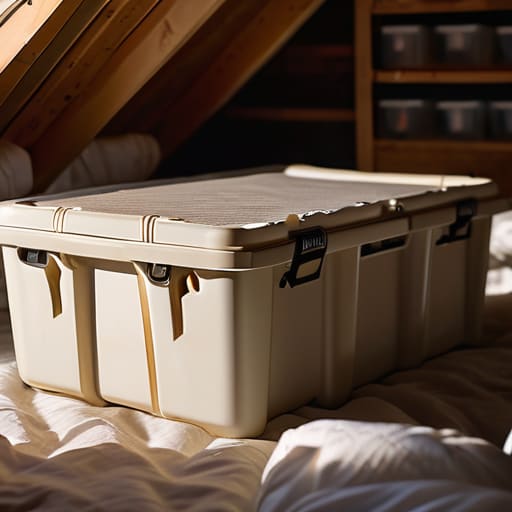
If you’re storing things in a basement or an attic, you’re essentially playing a game of chance with humidity. I learned this the hard way when I pulled a box of vintage linens out of storage only to find they smelled like a damp forest. To avoid this, I’ve made it a rule to never rely on just the cardboard box itself. Instead, I use silica gel packets—those little “do not eat” packets you find in shoe boxes—tucked into the corners of my containers. They are a tiny investment that goes a long way toward preventing moisture damage in storage and keeping your belongings smelling fresh.
When it comes to more delicate pieces, like heirloom glass or old photographs, just tossing them in a bin isn’t enough. I always wrap fragile items in acid-free tissue paper before placing them in their containers. This is a crucial part of my holiday decoration organization tips because it adds a layer of protection against both humidity and physical pressure. If you’re storing items in a non-climate-controlled area, consider using airtight plastic bins rather than cardboard. Cardboard is porous, meaning it breathes in moisture, which is a recipe for mold. A sealed environment is your best defense for maintaining a reliable seasonal item inventory management system that actually works year after year.
Five Small Habits to Keep Your Storage From Becoming a Black Hole
- Label everything with a permanent marker on the side of the bin, not the lid. When you stack those containers in the garage or closet, you don’t want to be playing a game of Tetris just to figure out if there’s a heavy winter coat or a light summer scarf inside.
- Group your items by “occasion” rather than just type. Instead of having a random pile of holiday lights and a separate box of ornaments, put all your December gear in one dedicated kit. It makes pulling the system out of storage much faster.
- Use the “one-in, one-out” rule during the transition. If you’re pulling out your heavy wool sweaters, take ten minutes to look at what you didn’t wear this past winter. If it’s in bad shape or you haven’t touched it in two years, don’t put it back in the bin—donate it.
- Keep a small “transition kit” in a more accessible spot. I like to keep a small basket near the entryway with things like extra umbrellas or sunblock. It saves you from digging through deep storage bins every time the weather decides to change on a whim.
- Don’t aim for a perfect system on day one. If you only have time to clear out one shelf or one corner of the closet this weekend, that’s a win. A messy, functional system is always better than a perfect one that you never actually start.
Final Thoughts on Your Seasonal System
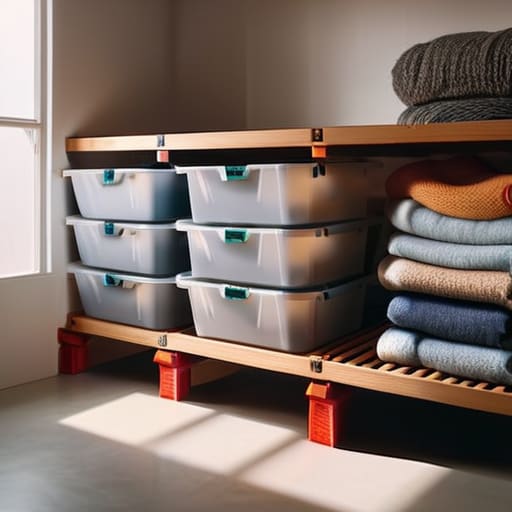
At the end of the day, storing your seasonal gear isn’t about achieving some Pinterest-perfect closet; it’s about making sure you aren’t digging through a mountain of tangled lights or damp blankets when the first frost hits. By picking the right bins and keeping an eye on moisture, you’re essentially outsourcing the mental load of your future self. You’ve done the hard work of setting up the infrastructure, so now you can let those items sit quietly in the background. Just remember that a solid system is always better than a temporary fix that falls apart by next season.
I know it can feel like just another chore on an endless to-do list, but I promise you that the clarity you gain is worth the effort. When you clear out the clutter that doesn’t belong in your current season, you create more room to actually live in the present. We aren’t trying to build a museum of things we might use one day; we are just reclaiming our mental space so we can focus on what matters right now. Take it one bin at a time, and trust the process.
Frequently Asked Questions
Where is the best place in my house to actually keep these bins so they don't take over my living space?
The goal isn’t to find a “perfect” spot, but to find a spot that doesn’t require you to move furniture every time you need a sweater. If you have a basement or attic, great—use them. But if you’re in an apartment, look up. The space above your bedroom door or the very top shelf of your closet is prime real estate. Just make sure it’s somewhere you can reach without a mental breakdown.
Should I be investing in expensive vacuum seal bags, or are standard plastic totes enough?
Honestly, don’t go overboard with the expensive vacuum bags unless you’re dealing with bulky winter duvets or heavy sweaters that are eating up your closet space. For most things—like holiday decor or extra linens—standard plastic totes are more than enough. They’re durable, stackable, and easier to manage. I’ve found that a good, sturdy bin provides better protection and less headache than fussing with a vacuum seal every single season.
How often should I actually go back and check on my stored items to make sure nothing is getting ruined?
I’d say aim for a quick “health check” every six months. I usually do this when the seasons flip—like when I’m pulling out the heavy coats and tucking away the summer gear. You don’t need to unpack everything; just a five-minute walkthrough to sniff for dampness or check for any unexpected pests. It’s much easier to catch a small issue early than to realize your favorite sweater is ruined come next year.
Is it worth labeling the outside of the bins, or should I keep a digital list of what's inside each one?
Honestly, I’m a big believer in doing both, but in a very lightweight way. I always label the physical bins with a piece of masking tape—just something simple like “Holiday Decor” or “Summer Gear”—so you don’t have to guess at a glance. But for the heavy lifting, keep a quick digital list in a Note on your phone. It saves you from digging through three different plastic tubs just to find one specific tablecloth.