

I remember sitting at my kitchen table five years ago, staring at a spreadsheet that felt more like a math exam than a life plan. I was exhausted from the “get rich quick” noise—the aggressive gurus promising Lamborghinis and complex day-trading strategies that felt more like gambling than investing. It’s all just noise designed to trigger your anxiety. The truth is, most of that high-octane advice is just a distraction from the reality of how to build wealth slowly. I spent years chasing the next big thing before I realized that real financial stability isn’t about the explosion; it’s about the accumulation.
I’m not here to sell you a miracle or a complicated master plan that requires you to check your phone every ten minutes. Instead, I want to share the boring, repeatable systems that actually work for someone with a full-time job and a life to live. We are going to focus on building quiet foundations—small, manageable habits that reclaim your mental space and grow your net worth without burning you out. My goal is to show you how to stop chasing perfection and start building a reliable engine for your future.
Table of Contents
Consistent Saving Habits Over Grand Gestures
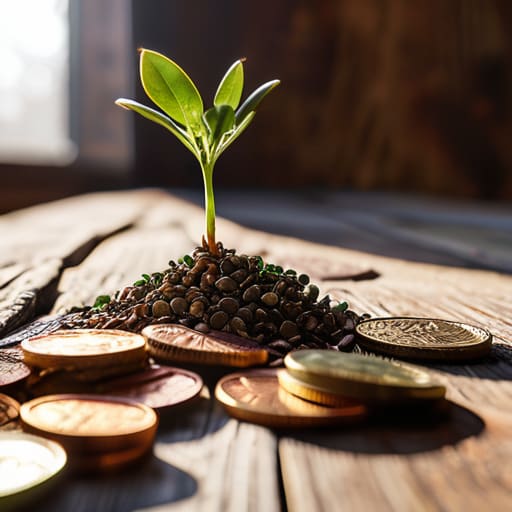
We often fall into the trap of thinking that wealth creation requires a massive, life-altering windfall—a sudden promotion, a lottery win, or a perfectly timed stock pick. In reality, those moments are rare and unpredictable. I’ve found that the most reliable way to move the needle is by focusing on consistent saving habits that fit into your existing routine without causing friction. It’s about the small, boring wins: automating a set amount to your savings every payday or deciding to cook at home twice more a week. These aren’t flashy moves, but they create a predictable baseline that keeps you moving forward even when life gets messy.
The real magic happens when you stop viewing your savings as “stagnant cash” and start seeing them as fuel. When you commit to small, regular contributions, you aren’t just hoarding money; you are feeding the engine of compound interest. Over time, that interest begins to earn its own interest, turning modest monthly amounts into something substantial. This process is much more effective than trying to time the market with aggressive bets. By prioritizing minimizing lifestyle inflation—resisting the urge to upgrade your car or apartment every time you get a raise—you allow that extra capital to stay in the system, working quietly in the background to build your future.
Minimizing Lifestyle Inflation to Protect Your Progress

One of the hardest parts of climbing the professional ladder is the silent pressure to upgrade everything at once. I remember my first real promotion; I felt this immediate, almost subconscious urge to trade my reliable sedan for something flashier or to move into a much more expensive apartment. It’s a trap. This is where minimizing lifestyle inflation becomes your most powerful tool. When your income increases, the most effective move isn’t to expand your spending, but to widen the gap between what you earn and what you consume.
I like to think of it as protecting your future self from your current impulses. Instead of letting every raise get swallowed by a higher rent check or a subscription service you won’t use, I redirect that surplus straight into my long-term goals. By keeping your baseline expenses steady even as your salary grows, you create the necessary oxygen for low-risk investment strategies to actually work. It’s not about deprivation or living a boring life; it’s about making sure your money is working just as hard as you are. When you resist the urge to “level up” your lifestyle every time you get a bonus, you aren’t just saving money—you are buying back your future freedom.
Five Systems to Keep Your Momentum
- Automate your contributions so you don’t have to think about them. I used to wait until the end of the month to see what was left over to save, but that never worked. Now, I set a recurring transfer to my brokerage account for the day after payday. If the money is gone before I can spend it, it’s not a decision I have to make every single month.
- Focus on the “gap” rather than the windfall. We often wait for a big bonus or a raise to start investing seriously, but wealth is actually built in the space between what you earn and what you spend. Even a 1% increase in your savings rate is a win. It’s about widening that gap incrementally, month after month.
- Build an “Opportunity Fund” alongside your emergency fund. While an emergency fund keeps you from drowning, a small, dedicated pile of liquid cash allows you to say “yes” when a good opportunity arises—whether that’s a market dip or a sudden career move. It turns money from a source of stress into a tool for agency.
- Avoid the “optimization trap.” You don’t need to spend forty hours a week researching the perfect individual stock or the most exotic tax loophole. For most of us, low-cost index funds are the most efficient way to grow. Don’t let the pursuit of the “perfect” investment prevent you from simply being invested.
- Review your progress, not just your balance. Once a quarter, I sit down with my notebook and look at my net worth trend and my savings rate. I’m not looking for massive jumps; I’m looking for consistency. Seeing the line move steadily upward, even if slowly, is the best way to stay motivated when the daily grind feels heavy.
The Long Game

At the end of the day, building wealth isn’t about finding a secret loophole or hitting a massive windfall; it’s about the systems you put in place when no one is watching. We’ve talked about why small, consistent savings beat grand, sporadic gestures, and why keeping your lifestyle in check is the ultimate way to protect your momentum. It’s easy to get distracted by the flashy “get rich quick” noise, but true financial stability comes from minimizing the friction in your daily decisions. By focusing on these repeatable habits, you aren’t just stacking cash; you are building a fortress around your future self.
I know it can feel slow. There are days when it feels like you’re just moving pebbles from one pile to another while the rest of the world seems to be sprinting ahead. But remember, I don’t restore furniture by sanding it all down in one afternoon; I do it layer by layer, with patience and precision. Wealth works the same way. Don’t let the lack of immediate gratification discourage you. If you stay the course and trust your systems, you’ll eventually look back and realize that those tiny, quiet choices were actually the most significant moves you ever made. Just keep building.
Frequently Asked Questions
How do I balance building a financial foundation with still actually enjoying my life today?
I used to think it was all or nothing—either I was a miser or I was blowing my paycheck. But that’s a recipe for burnout. I’ve learned to use a “guilt-free spending” bucket. Once my savings, bills, and automated investments are handled, the rest of that money is truly mine to use. If it’s in the budget, spend it without a second thought. Enjoying your life isn’t a distraction from building wealth; it’s what makes the discipline sustainable.
What should I do if an unexpected emergency breaks my saving momentum?
First, take a breath. An emergency isn’t a failure of your system; it’s just a part of life. Don’t let the guilt of a setback turn into a reason to abandon the plan entirely. When the dust settles, don’t try to “make up” for lost time by overcompensating. Just return to your baseline. The goal isn’t to never stumble, but to ensure that a single detour doesn’t become a permanent change in direction.
How do I know when I've reached a point where I can finally start taking more calculated risks?
You’ll know you’re ready when your “boring” systems are running on autopilot. For me, it’s about the margin. Once your emergency fund is set, your automated savings are hitting their targets, and your essential expenses are covered by a predictable baseline, you’ve built your safety net. You aren’t gambling; you’re deploying capital. When the fear of a setback doesn’t threaten your fundamental stability, that’s your signal to start taking calculated risks.
Is it better to focus on cutting small expenses or finding ways to increase my primary income?
It’s a bit of both, but if I’m being honest, I lean toward the income side. You can only cut your coffee budget so far before you’re just living in deprivation, which isn’t sustainable. There’s a floor to how much you can save, but there’s no ceiling on what you can earn. Focus on the small cuts to build discipline, but put your real energy into expanding your earning potential. That’s how you actually move the needle.