
I was sitting at my desk last Tuesday, staring at a spreadsheet until the cells started to blur, feeling that familiar, heavy fog of decision fatigue settling into my bones. My instinct was to grab another coffee or scroll through my phone to “relax,” but we both know that just adds more noise to an already loud brain. I’ve realized that most people treat the benefits of time in nature like some expensive, luxury retreat you have to book months in advance. They make it sound like you need a mountain expedition or a specialized gear list just to feel human again. Honestly? That’s a complete myth that keeps people from actually doing it.
I’m not here to sell you on a lifestyle overhaul or a complicated spiritual journey. Instead, I want to share the small, repeatable systems I use to pull myself out of the digital weeds and back into a state of clarity. I’ll show you how to leverage the actual, tangible benefits of time in nature through low-friction habits that fit into a busy work week. No fluff, no expensive equipment—just practical ways to reclaim your mental space and build a better foundation for your focus.
Table of Contents
Understanding the Biophilia Hypothesis Explained
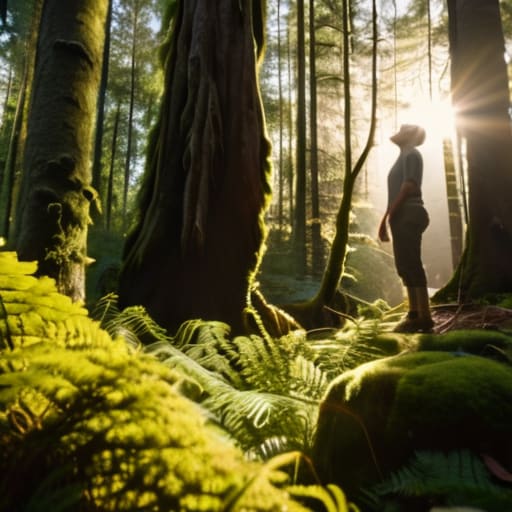
When I first started looking into why I felt so much better after a weekend hike, I stumbled upon the biophilia hypothesis explained in a way that actually made sense to my logical brain. It’s not just some “woo-woo” concept; it’s the idea that humans possess an innate, biological tendency to seek connections with nature and other forms of life. Because our ancestors spent millennia evolving in the wild, our bodies are essentially hardwired to respond to organic patterns, greenery, and open skies. When we spend all day staring at a fluorescent-lit cubicle or a smartphone, we’re actually operating in a state of biological mismatch.
This connection goes much deeper than just feeling “relaxed.” There is a measurable physiological response to being in natural settings. Research suggests that simply being near trees or water can lead to reducing cortisol through outdoor activity, which is the primary hormone responsible for that constant, low-level stress we carry in our shoulders. By stepping into a park or a forest, we aren’t just taking a break from work; we are feeding a fundamental human need that our modern, concrete environments tend to starve. It’s about returning to a baseline that our biology recognizes as safe and restorative.
Nature Therapy for Stress Relief Without Complexity
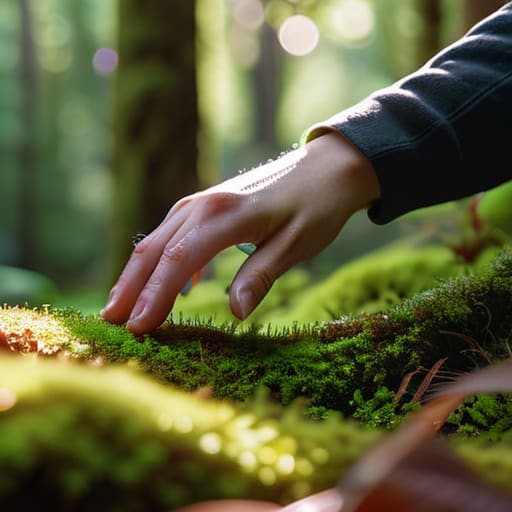
I’ve always been a fan of systems that don’t require a massive time investment to see a return. When life gets loud and my inbox starts feeling like a personal attack, I don’t have the bandwidth for a mountain trek or a weekend camping trip. Instead, I look for the smallest possible lever to pull. For me, that’s practicing a bit of nature therapy for stress relief right in my own neighborhood. It’s not about finding a pristine wilderness; it’s about finding a patch of green that allows your nervous system to finally downshift.
The beauty of this approach is how it targets your biology without you having to think about it. We often try to “think” our way out of stress, but that usually just leads to more loops of overthinking. By simply stepping into a park or a quiet garden, you’re leaning into the physiological effects of natural environments. You aren’t just “relaxing”; you are actively reducing cortisol through outdoor activity. It’s a low-effort, high-reward way to clear the mental fog and stop the decision fatigue from spiraling. It’s not about perfection or being an outdoorsman—it’s just about giving your brain a moment to breathe.
Five Small Ways to Bring the Outdoors Into Your Routine
- Stop waiting for the perfect weekend getaway. If you’re feeling the mental fog setting in, just step outside for ten minutes. A quick walk around the block without your phone is often enough to break a cycle of decision fatigue.
- Use your commute or lunch break as a sensory reset. Instead of scrolling through emails, find a patch of grass or a tree in a local park. Just sitting there and noticing the movement of the leaves can do more for your focus than an extra cup of coffee.
- Bring the outside in when you can’t get out. I’ve found that keeping a few low-maintenance plants on my desk isn’t just about aesthetics; it creates a tiny, living connection to the natural world that softens the edges of a sterile office environment.
- Practice “active observation” to quiet the noise. When you are outside, try to find three specific things you haven’t noticed before—the texture of bark, the shape of a cloud, or the sound of a distant bird. It’s a simple way to pull your brain out of “work mode” and back into the present.
- Schedule your nature time like a non-negotiable meeting. We plan our budget and our work projects, so why not plan our recovery? Even a recurring 20-minute slot in your digital calendar for a “nature reset” ensures that your mental health doesn’t get pushed to the bottom of the priority list.
Finding Your Rhythm in the Wild

At the end of the day, getting outside isn’t about mastering some complex mindfulness technique or trekking up a mountain every weekend. It’s about recognizing that our brains weren’t designed for the constant, jagged input of notifications and fluorescent lights. Whether you’re leaning into the biophilia hypothesis by sitting in a local park or simply using a quick walk to lower your cortisol levels, the goal is the same: to interrupt the noise. We’ve looked at how nature acts as a natural buffer against stress and why our biology craves that connection. You don’t need a massive lifestyle overhaul to see the benefits; you just need to build a small, repeatable habit of stepping away from the screen and into the fresh air.
I used to think I needed a grand plan to feel “recharged,” but I’ve learned that the most effective systems are often the simplest ones. Nature doesn’t demand anything from you—it doesn’t ask for your productivity, your status, or your attention. It just exists, and in that existence, it gives you the space to breathe again. So, my challenge to you is this: don’t wait for a vacation to find your center. Just grab your keys, step out the door, and reclaim your mental space one afternoon at a time. It’s not about perfection; it’s about building a better foundation for your well-being.
Frequently Asked Questions
How much time do I actually need to spend outside to feel a real difference in my focus?
I used to think I needed a full Saturday hike to feel human again, but that’s a recipe for decision fatigue. Honestly? The “sweet spot” for my focus is just twenty minutes. It’s not about a grand expedition; it’s about a consistent, small dose. If you can carve out twenty minutes of uninterrupted time—no podcasts, no phone, just walking—you’ll notice that mental fog starts to lift. It’s a small investment for a massive return.
I live in a busy city with almost no greenery; are there ways to get these benefits without a forest nearby?
I get it—I spent years in a concrete jungle before I found my footing, and the lack of green can feel suffocating. You don’t need a trailhead to reset. Start small: bring a few hardy houseplants into your workspace to soften the edges, or even just sit by a window for ten minutes. If you can, find a local park or even a single tree on your walk to the subway. It’s about micro-dosing nature where you can.
Does it matter if I’m doing something active like hiking, or is just sitting quietly enough?
Honestly, it doesn’t matter. I used to think I had to conquer a mountain trail to “count” it as nature time, but that just added more decision fatigue to my weekend. If you’re feeling restless, a hike is great for burning off nervous energy. But if your brain is fried from a long week of operations and spreadsheets, just sitting on a bench with a coffee is more than enough. The goal is presence, not exertion.
How can I make spending time in nature a consistent habit when my work schedule is so unpredictable?
The trick isn’t finding a massive block of free time; it’s lowering the barrier to entry. When my schedule goes sideways, I stop looking for “nature trips” and start looking for “nature pockets.” If I can’t get to a trail, I’ll sit on a park bench during lunch or even just walk a different route home through a leafy neighborhood. Don’t wait for the perfect afternoon. Just find five minutes of green, wherever you can.