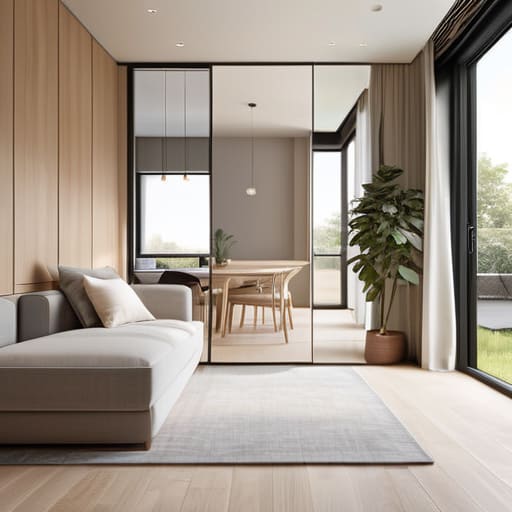

I remember my first studio apartment in the city—a space so cramped I felt like I was living inside a shoebox. I spent a small fortune on “space-saving” gadgets from big-box stores that ended up being nothing more than expensive, bulky plastic clutter. I was obsessed with finding ways on how to make a small room look bigger, but I was looking in all the wrong places. I thought I needed a complete renovation or a designer’s budget, when really, I just needed a better system for my surroundings.
I’m not here to sell you on some magic trick or a high-end interior design course. Instead, I want to share the practical, low-effort tweaks that actually work to reclaim your visual breathing room. We’re going to focus on intentional layout shifts and simple decluttering habits that reduce the mental weight of a cramped space. My goal is to show you how to build a foundation of order so your home feels like a sanctuary, not a storage unit. Let’s get to work.
Table of Contents
Light Color Palettes for Small Rooms Creating Visual Air
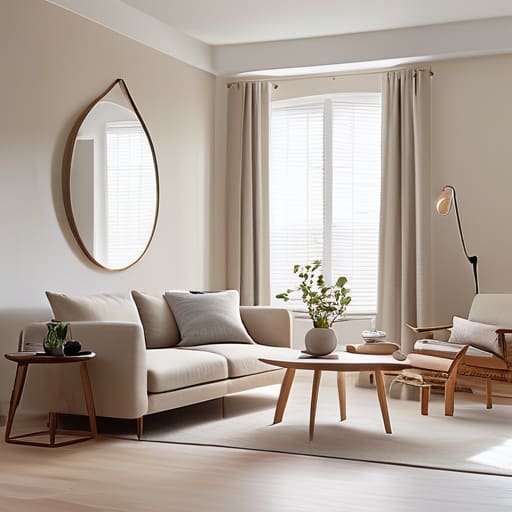
When I first started restoring old sideboards, I realized that color isn’t just about aesthetics; it’s about how light interacts with a surface. In a cramped apartment, your walls are essentially the canvas for every bit of light you have. If you go too heavy with dark, moody tones, the walls feel like they’re physically leaning in on you. Instead, I’ve found that leaning into light color palettes for small rooms—think soft whites, pale greys, or muted sands—can trick the eye into seeing more depth. These shades act like a sponge for light, bouncing it around the perimeter rather than absorbing it.
However, don’t feel like you have to live in a sterile, all-white hospital ward to get this right. The trick is in the subtle variations. I like to use a slightly warmer off-white on the walls and perhaps a very light oatmeal for the curtains. This creates a sense of dimension without adding visual weight. When you combine these airy tones with minimalist furniture for small spaces, you stop fighting the room and start working with it. The goal isn’t to hide the fact that the room is small; it’s to stop the walls from feeling like they’re closing in.
Natural Lighting Techniques to Open Your Walls
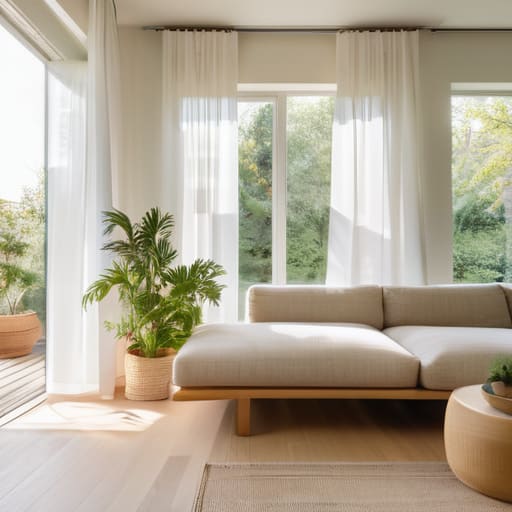
One of the biggest mistakes I see people make when trying to optimize a tight layout is treating their windows like mere accessories. If you want to actually feel the scale of a room, you have to prioritize natural lighting techniques that pull the outside in. I’ve found that the simplest fix is often the most effective: ditch the heavy, velvet drapes that swallow up the window frame. Instead, opt for sheer linen or light-filtering blinds. These allow the sunlight to diffuse throughout the room without creating those dark, heavy shadows that make walls feel like they’re closing in on you.
If your windows are positioned in a way that leaves certain corners feeling particularly dim, don’t just accept the gloom. This is where using mirrors to expand space becomes a game-changer. I like to place a large, simple mirror directly opposite a window; it effectively catches the incoming light and bounces it back into the darker reaches of the room. It’s a low-effort, high-reward move that mimics the effect of having an extra window. By working with the light rather than fighting it, you’re not just decorating—you’re engineering a sense of openness that makes even the smallest studio feel significantly more breathable.
Beyond the Walls: Systems for Visual Breathing Room
- Stop the floor-clutter cycle. Every piece of furniture with legs—rather than solid bases that sit flush to the ground—allows the eye to see more floor space. It’s a small shift, but seeing that extra bit of hardwood or rug underneath a chair tricks your brain into thinking the room is much larger than it actually is.
- Use the mirror trick, but do it with intention. Don’t just hang a tiny mirror in a corner; place a larger piece directly opposite your main window. It effectively “doubles” the view and bounces that natural light we talked about earlier, creating a sense of depth that feels less like a wall and more like a window.
- Go vertical with your storage. When square footage is tight, stop trying to spread everything out across the floor. I’ve found that installing floating shelves or tall, narrow bookcases draws the eye upward toward the ceiling. It utilizes the “dead air” in a room and keeps your surfaces clear.
- Scale your furniture properly. It’s tempting to buy a massive, plush sectional because it looks cozy, but in a small room, it acts like a visual roadblock. Opt for “apartment-sized” pieces that have a slimmer profile. You want furniture that serves its purpose without swallowing the entire room.
- Define zones without using barriers. Instead of using heavy room dividers or bulky bookshelves to separate a workspace from a sleeping area, use rugs to create “islands.” A well-placed area rug tells your brain where one space ends and another begins without physically cutting off the line of sight.
Finding Your Space
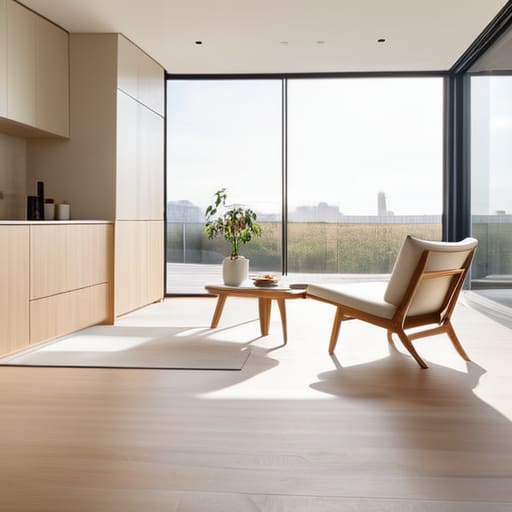
At the end of the day, making a small room feel larger isn’t about a massive renovation or buying expensive, oversized furniture. It’s about the small, intentional shifts we discussed: leaning into lighter color palettes to create visual air, maximizing every drop of natural light, and being ruthless about clearing away the clutter that eats up your mental energy. By focusing on these simple, repeatable systems—like choosing pieces that let the eye travel through them rather than stopping abruptly—you aren’t just fixing a layout; you are optimizing your environment to work for you, rather than against you.
I know how easy it is to feel trapped by the walls of a cramped apartment or a tiny home office, but remember that your space should be a sanctuary, not a source of stress. You don’t need a sprawling estate to feel like you have room to breathe; you just need a foundation that feels intentional and uncluttered. Don’t aim for a showroom-perfect setup on day one. Just pick one corner, implement one small change, and build your way toward more breathing room one step at a time. You’ve got this.
Frequently Asked Questions
I’ve already lightened the colors, but will adding more furniture just make the room feel even more cramped?
That’s a valid concern, and honestly, it’s where most people trip up. It’s not about the amount of furniture, but the visual weight of it. If you bring in heavy, chunky pieces that block the floor line, the room will definitely feel cramped. Instead, I lean toward pieces with exposed legs—think mid-century modern styles. Being able to see the floor extending underneath a sofa or a cabinet tricks your brain into seeing more space.
How do I choose the right size rug so it doesn't make my floor space look tiny and chopped up?
The biggest mistake I see is the “floating island” effect—a tiny rug sitting in the middle of the floor like a postage stamp. It chops up the room and makes the floor feel fragmented. To keep things flowing, aim for a rug large enough that at least the front legs of your furniture sit on it. This anchors the space and creates a continuous visual line, making the room feel expansive rather than cluttered.
Is it actually worth investing in mirrors, or do they just create a weird, distracting glare?
It’s a fair question. If you just hang a random mirror opposite a window, you might end up with a blinding glare that’s more annoying than helpful. But if you use them intentionally, they’re worth every penny. I like to think of mirrors as “visual windows.” Instead of fighting the reflection, place them where they catch soft, indirect light. It adds depth without the headache, making the room feel twice as large.
Can I use vertical space for storage without making the walls feel like they’re closing in on me?
Absolutely. The trick is to avoid the “wall of boxes” effect. Instead of heavy, floor-to-ceiling shelving that feels like it’s looming over you, try floating shelves or slender, open bookcases. They provide storage without creating a solid visual block. I also like using high-mounted hooks for things like bags or hats; it draws the eye upward, making the ceiling feel higher rather than making the walls feel closer. Keep it airy, not heavy.