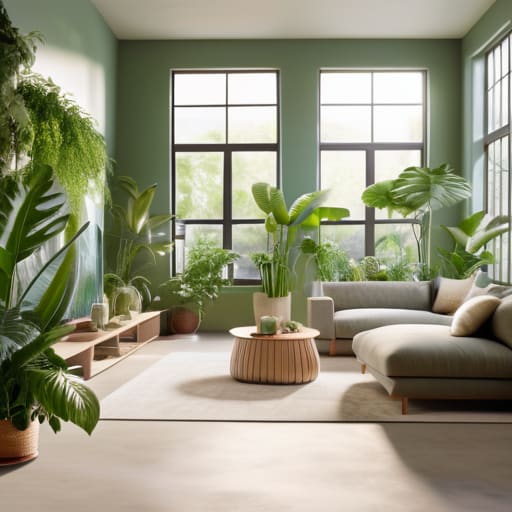

I remember sitting in my old studio apartment last winter, surrounded by half-finished mid-century modern chair projects, feeling like I couldn’t catch my breath. The air felt heavy, stale, and thick with the scent of old wood varnish and dust. I spent a small fortune on a high-tech, “smart” air purifier that promised to revolutionize my life, only to realize it was mostly just expensive noise. I was searching for ways on how to improve indoor air quality, but all I found were complicated gadgets and marketing hype that added more clutter to my life rather than clarity.
I’m not here to sell you a subscription to a fancy filtration system or a list of twenty expensive houseplants that will probably die in a week. Instead, I want to share the small, repeatable systems I’ve actually used to make my living space feel breathable again. We’re going to focus on low-cost, high-impact shifts—the kind of practical foundations that actually work without draining your bank account or your mental energy. Let’s strip away the complexity and get back to basics.
Table of Contents
Identifying Common Indoor Air Pollutants Without the Stress
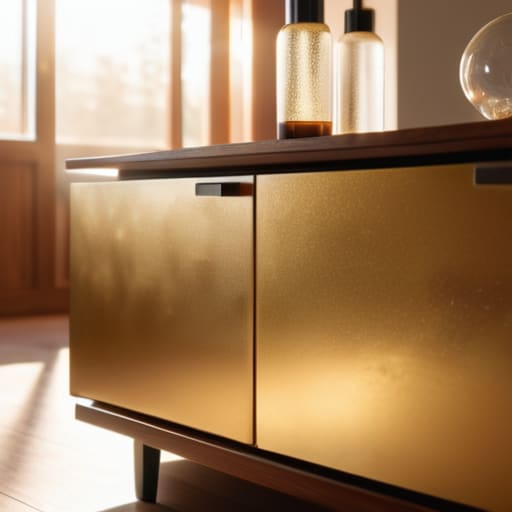
You don’t need a lab coat or a high-tech sensor to figure out what’s making your space feel heavy or stuffy. Most of the time, the culprits are hiding in plain sight. I used to think my afternoon headaches were just “work stress,” but I eventually realized it was actually a buildup of common indoor air pollutants like VOCs from my cleaning supplies and even the scent from that mid-century sideboard I was refinishing.
Instead of panicking, I suggest a simple “sensory audit.” Walk through your rooms and pay attention to the small things: Is there a lingering smell of cooking or cleaning products? Do you notice more dust settling on your furniture than usual? These are often the first signs that you need to focus on reducing household allergens or simply improving your airflow. It’s less about finding a single “villain” and more about noticing the patterns. If you notice the air feels thick or damp, pay close attention to the impact of humidity on air quality, as excess moisture can lead to mold issues that are much harder to manage once they take root. Start small, trust your gut, and don’t let the science of it all overwhelm you.
Simple Ventilation Techniques for Homes to Reclaim Your Space
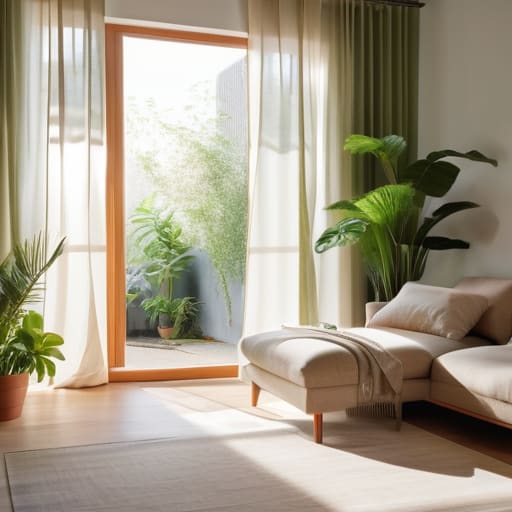
The easiest way to tackle this isn’t by buying expensive gadgets, but by mastering a few basic ventilation techniques for homes. I’ve found that the “cross-ventilation” method is a total game-changer for my morning routine. Instead of just cracking a window, try opening two windows on opposite sides of your living space. This creates a natural draft that pulls stale air out and pushes fresh air in, effectively flushing out the buildup from sleeping or cooking. It takes maybe ten minutes, but the mental clarity I get from that fresh breeze is worth every second.
If you live in a more humid climate, you also need to keep a close eye on the impact of humidity on air quality. If your air feels heavy or damp, it’s an invitation for mold to settle in. I usually keep a small hygrometer on my desk—it’s a simple tool that helps me stay within that sweet spot of 30-50% humidity. If things get too moist, running a dehumidifier or even just a simple exhaust fan in the bathroom during a shower can prevent a lot of long-term headaches. It’s about building a system that works with your environment, rather than fighting against it.
Five Low-Effort Habits for a Breathable Home
- Get a few easy-to-care-for plants like Snake Plants or Pothos. They aren’t just for aesthetics; they act as tiny, natural filters that help scrub the air while you focus on your day.
- Stop the dust before it settles. I’ve found that a quick, five-minute wipe-down of surfaces with a damp microfiber cloth once a week keeps allergens from circulating without turning into a massive cleaning chore.
- Check your HVAC filters on a set schedule. It sounds tedious, but replacing them every few months is one of the most effective ways to ensure your home’s lungs are actually working the way they should.
- Be mindful of what you bring inside. I try to keep scented candles and heavy synthetic sprays to a minimum; instead, I opt for natural cleaners or just let the fresh air do the heavy lifting.
- Manage moisture in the “wet” zones. Using your bathroom fan during a shower or keeping the kitchen vent on while cooking prevents that damp, heavy feeling that leads to mold and stale air.
Building a Breathable Foundation
At the end of the day, improving your air quality isn’t about buying every expensive gadget or high-tech sensor on the market. It’s about the small, intentional shifts we’ve discussed: identifying the culprits like harsh cleaners or stagnant air, and implementing simple ventilation habits that actually stick. Whether it’s opening a window during your morning coffee or swapping out a synthetic spray for something more natural, these actions work because they are manageable. We aren’t trying to turn our homes into sterile laboratories; we are simply trying to remove the invisible friction that makes our living spaces feel heavy or cluttered.
I’ve found that when I focus on these small, repeatable systems, the mental clarity follows naturally. A cleaner home environment often leads to a clearer headspace, and that is where the real value lies. Don’t feel like you have to overhaul your entire household by tomorrow morning. Just pick one thing—one single habit—and start there. You aren’t chasing a perfect, airtight sanctuary; you are just building a better foundation for your daily life, one breath at a time.
Frequently Asked Questions
Is it actually worth investing in a high-end air purifier, or are there cheaper ways to get the same result?
Look, I get the temptation to drop a few hundred dollars on a high-end machine, but don’t let the marketing overwhelm you. If you have major allergies or live near a busy road, a solid HEPA purifier is a worthy investment for your mental space. But for most of us? You can get 90% of the way there by simply maintaining your current filters and keeping your ventilation consistent. Start simple before you spend big.
How much of a difference do houseplants really make when it comes to cleaning the air?
Look, I’ll be honest: if you’re expecting a jungle of monsteras to act like a high-tech air purifier, you’ll be disappointed. Science shows they do help, but you’d need a literal forest in your living room to see a massive drop in toxins. For me, the real value isn’t just the chemistry; it’s the ritual. Adding a few leafy greens makes a space feel intentional and alive, which is a win for your headspace.
Should I be worried about the scents and cleaning products I'm already using around the house?
Don’t panic—you don’t need to throw everything in the trash. I used to think a “clean” house had to smell like a mountain breeze, but I realized those heavy synthetic scents were actually adding to the clutter in my air. Instead of a total overhaul, just start auditing your labels. Look for “fragrance-free” or simpler, plant-based cleaners. It’s about reducing the chemical load, one bottle at a time, rather than chasing perfection.
If I live in a city with high pollution, will opening my windows actually make things worse?
It’s a valid concern, and honestly, it’s one of the biggest hurdles to getting fresh air. If you’re living right next to a busy intersection or in a high-smog area, opening the windows at rush hour might feel counterproductive. My rule of thumb? Time your ventilation. Open them early in the morning or late at night when traffic dies down. It’s about finding those small windows of opportunity to let the house breathe without inviting the city in.