
I remember sitting on the floor of my first studio apartment three years ago, surrounded by half-unpacked cardboard boxes and that unmistakable, sterile smell of industrial carpet cleaner. I looked around at the beige walls and the generic, landlord-grade lighting, feeling like a temporary guest in my own life rather than a resident. It’s a frustrating realization: you’ve signed the lease, you’ve moved your things in, yet you still haven’t figured out how to make a rental feel like home. Most people tell you that you need a massive budget or a permission slip from your landlord to fix that, but I’ve learned that the most meaningful spaces aren’t built through heavy construction or expensive decor hauls.
In this guide, I’m not going to suggest you tear down walls or paint every surface you touch. Instead, I want to share the small, repeatable systems I’ve used to reclaim my space without losing my security deposit. We’re going to focus on low-impact, high-reward shifts—things like layering light, curated textures, and intentional organization—that turn a generic box into a sanctuary. We aren’t chasing a Pinterest-perfect showroom; we are simply building a better foundation for your daily life.
Table of Contents
Small Systems for Adding Warmth to Rental Spaces
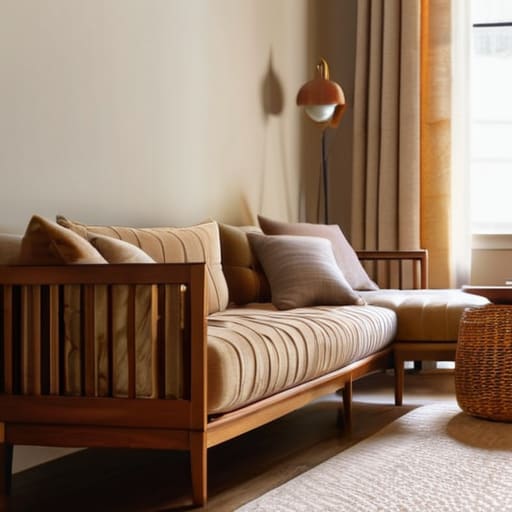
When I’m working on an old teak sideboard, I’ve learned that the magic is usually in the layers, not a single massive overhaul. The same logic applies to your living room. Instead of staring at blank, sterile walls and feeling defeated, I focus on adding warmth to rental spaces through texture and lighting. I like to swap out the harsh overhead “big light” for a couple of well-placed floor lamps or even some dimmable smart bulbs. It’s a small, repeatable change that immediately softens the edges of a room and makes it feel less like a temporary landing pad and more like a sanctuary.
Texture is your best friend when you can’t change the flooring or the layout. I usually lean into non-permanent apartment decor ideas like layering a jute rug over the existing industrial carpet or tossing a heavy wool throw over a generic sofa. These aren’t just aesthetic choices; they are tactile systems that ground the room. If you’re looking to personalize the vertical space, I’ve found that using command strips for renter friendly wall art is a game changer. It allows you to curate a gallery that actually reflects your personality without the looming anxiety of a lost security deposit.
Non Permanent Apartment Decor Ideas That Actually Work
The biggest hurdle with renting is that “permanent” feels like a trap. I used to stare at those sterile, eggshell-white walls and feel like I was living in a temporary waiting room rather than a home. But you don’t need to drill holes into the studs to make an impact. I’ve found that the most effective non-permanent apartment decor ideas focus on texture and light rather than structural changes. Think about using command hooks for renter friendly wall art—large, lightweight canvases or even framed textile hangings—to break up the monotony of the walls without risking your security deposit.
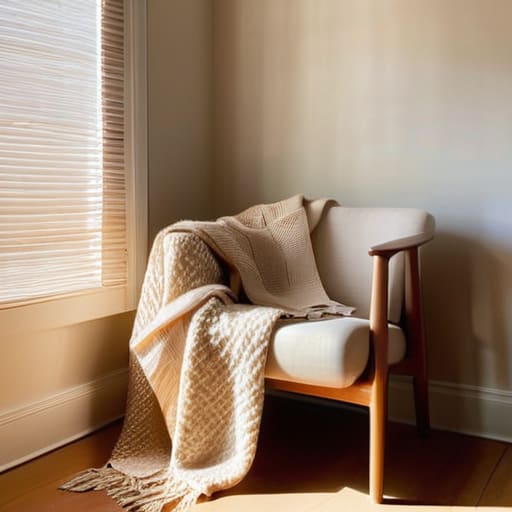
Another system I swear by is the “layering” method. If the floor is an ugly industrial carpet or a cold laminate, don’t try to replace it; just cover it. A well-placed jute rug or a soft, high-pile area rug does more for creating cozy living spaces in apartments than almost any other single purchase. It defines the room and provides an immediate sense of grounding. Pair this with some smart lighting—swap out the harsh overhead bulbs for warm-toned lamps—and you’re suddenly building a foundation of comfort that doesn’t require a single nail or a landlord’s permission.
Five Low-Stakes Habits to Anchor Your Space
- Audit your lighting. Most rentals come with those harsh, overhead “big lights” that make a place feel like a sterile office. Swap them out for a couple of warm-toned floor lamps or even some smart bulbs you can dim. It’s a tiny change, but it immediately shifts the mood from “temporary unit” to “living space.”
- Bring in something living. I’ve found that even if you don’t have a green thumb, a single low-maintenance plant like a Pothos does wonders. It adds a layer of organic texture that breaks up the flat, synthetic lines of rental-grade flooring and white walls.
- Master the “Command Strip” method for art. Don’t let your walls stay naked just because you’re afraid of a security deposit deduction. Use heavy-duty adhesive strips to hang a few meaningful pieces—maybe a framed print or a lightweight textile—to give the room some soul without the permanent damage.
- Layer your textiles. If the carpet feels cheap or the sofa is a generic landlord special, cover it up. A well-chosen rug or a heavy throw blanket doesn’t just add comfort; it creates a visual boundary that makes a specific area feel intentional and grounded.
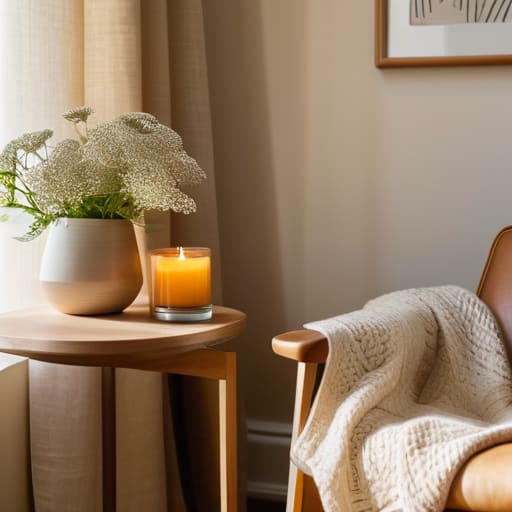
- Personalize your scent. Our sense of smell is tied directly to how we feel in a space. Find a candle, an incense, or an essential oil diffuser that you love. When you walk through the door and that specific scent hits you, your brain gets the signal that you’re finally home.
Building Your Foundation
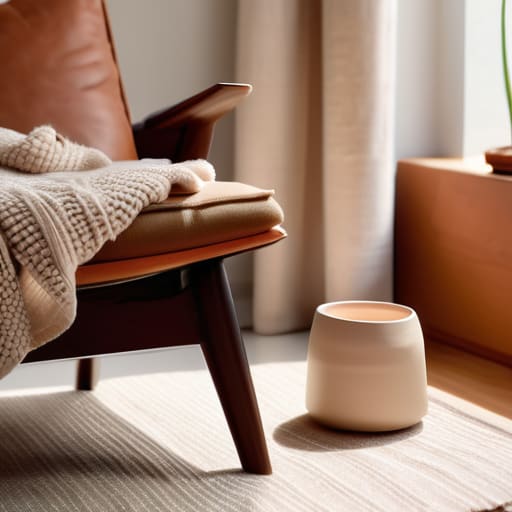
At the end of the day, making a rental feel like home isn’t about a massive shopping spree or a complete overhaul of the floor plan. It’s about the small, intentional layers we discussed—layering in warm lighting, choosing non-permanent textures, and setting up systems that make your space work for you rather than against you. You don’t need to strip the walls or replace the fixtures to find comfort. By focusing on low-stakes, high-impact changes, you can transform a generic box of an apartment into a sanctuary that reflects who you actually are. It’s about reclaiming your environment, one small decision at a time.
I know how easy it is to feel like you’re just “passing through” a space when you don’t own the deed. But remember, your home isn’t defined by the walls you live within; it’s defined by the rhythms and rituals you establish inside them. Don’t wait for the “forever home” to start living well. Start where you are, with what you have, and build a foundation that supports your peace of mind. Whether it’s a single well-placed lamp or a curated shelf of books, these small wins add up to a life that feels intentional and deeply personal.
Frequently Asked Questions
How can I add personality to my space without risking my security deposit?
The trick is to focus on what I call “surface-level layers.” Instead of drilling holes into the drywall, think about things you can swap out in minutes. I’m big on textiles—a heavy linen throw or a textured rug can completely change the room’s vibe. Also, lean into tabletop personality. A curated collection of books, a few well-placed ceramics, or even a vintage tray can make a space feel intentional without leaving a single mark on the walls.
What are some budget-friendly ways to improve lighting if I can't change the overhead fixtures?
Lighting is usually the biggest culprit when a rental feels cold or sterile. Since you can’t touch the overheads, stop relying on them entirely. I’ve found that layering “pools” of light is much more effective. Grab a couple of warm-toned floor lamps for the corners and a small, rechargeable task lamp for your desk or bedside. It’s a small, repeatable way to shift the mood from “office cubicle” to “actual home” without touching a single wire.
How do I deal with unattractive flooring or old carpets without doing a full renovation?
I’ve dealt with my fair share of dated, industrial-grade beige carpet, and it’s a mood killer. The trick isn’t to hide it, but to layer over it. I’m a big believer in large area rugs—think jute or a low-pile wool—to create a new visual foundation. If you’re dealing with ugly tile, peel-and-stick vinyl planks are a lifesaver. They’re inexpensive, easy to remove later, and instantly upgrade the room’s texture.
Is there a way to hang art or mirrors on the walls without leaving permanent holes?
I used to stress about this every time I moved, but I’ve found a few reliable workarounds. For lightweight frames or posters, Command Strips are my go-to; just make sure you clean the wall with rubbing alcohol first so they actually stick. For heavier mirrors, look into heavy-duty adhesive strips or even tension rods if you’re working in a nook. It’s all about choosing the right tool for the weight so you don’t end up with a mess.