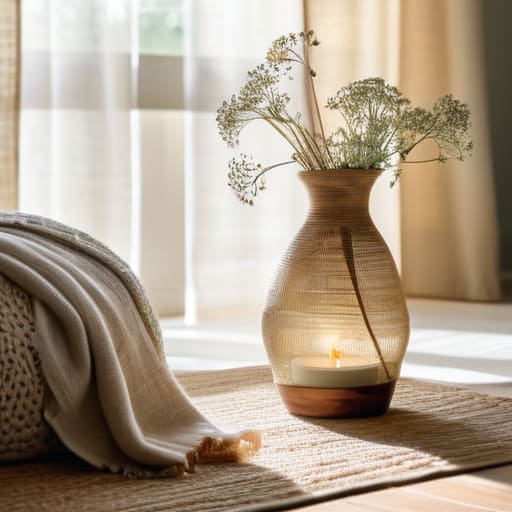

I used to think that hosting friends meant I needed to transform my spare room into a boutique hotel suite, complete with expensive linen sets and curated decor that looked great in a magazine but felt entirely unnatural to live in. I’d spend weekends obsessing over the perfect shade of sage for the walls, only to realize I was creating a high-maintenance museum rather than a functional space. Most of the guest room ideas you find online are designed to sell you more stuff, pushing the myth that hospitality requires a massive budget and a lot of clutter.
I’m not here to help you overcomplicate your home or drain your savings. Instead, I want to share a few simple, repeatable systems that turn any spare corner into a comfortable, low-maintenance sanctuary. My approach is about building a foundation of hospitality through utility—think high-quality basics, smart storage, and the kind of thoughtful touches that actually make people feel at home. We aren’t aiming for perfection here; we are just aiming to reclaim your mental space so you can actually enjoy the company of your guests.
Table of Contents
Smart Guest Bedroom Layout Tips for Maximum Flow
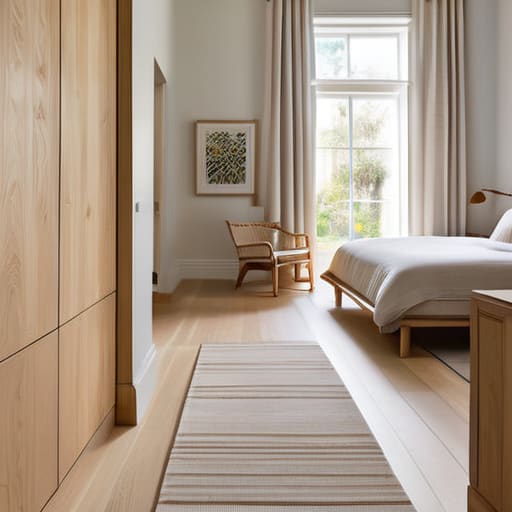
When I’m working on a furniture restoration project, I’m always thinking about how pieces interact with the space around them. The same logic applies to your guest room. You don’t need a massive master suite to make someone feel welcome; you just need to respect the natural flow of movement. One of my favorite guest bedroom layout tips is to ensure there is a clear, unobstructed path from the door to the bed. If your guests have to shimmy past a heavy dresser or trip over a corner of a rug just to reach the pillow, they won’t feel relaxed. Aim for at least two feet of walking space around the sides of the bed to prevent that cramped, claustrophobic feeling.
If you’re working with a tighter footprint, don’t try to cram in every piece of furniture you own. Instead, focus on functional minimalism. If you’re dealing with small spare room decor, prioritize a single nightstand and a dedicated spot for a lamp. If space is at a premium, a slim console table can double as a desk or a vanity without swallowing the room. The goal isn’t to fill the floor; it’s to create a sense of breathing room that allows your visitors to actually decompress.
Small Spare Room Decor That Doesnt Feel Cluttered
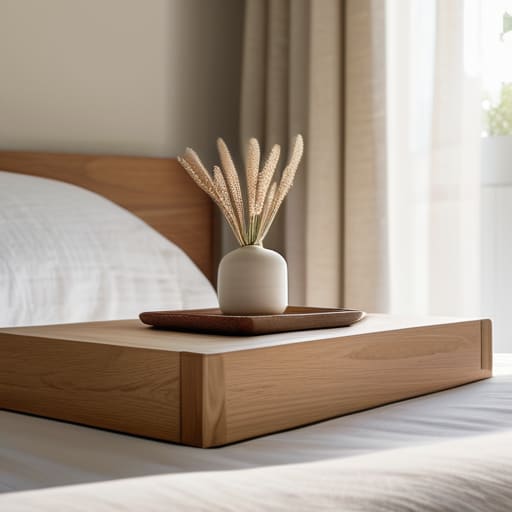
When it comes to small spare room decor, my biggest mistake early on was trying to make the room look like a showroom. I’d buy a bulky dresser, a heavy armchair, and a massive rug, only to realize I’d turned a functional space into a cramped storage unit. If you’re working with limited square footage, the goal isn’t to fill the corners; it’s to curate the experience. I’ve found that sticking to a neutral color palette with a few intentional textures—think a linen throw or a single wooden tray—creates a sense of calm without the visual noise.
Instead of heavy furniture, I lean into a minimalist approach that prioritizes breathing room. If you are building a guest room essentials checklist, focus on high-impact, low-profile items. A slim nightstand and a single piece of art can do more for the atmosphere than a dozen knick-knacks. I always tell myself: if it doesn’t serve a purpose or provide genuine comfort, it doesn’t belong in the room. By keeping the surfaces clear, you’re essentially creating a cozy guest suite that feels intentional rather than overcrowded, allowing your visitors to actually relax instead of feeling like they’re sleeping in a closet.
Five Low-Maintenance Essentials for a Stress-Free Guest Stay
- Stick to a neutral color palette. I’ve learned that bright, bold patterns can feel overwhelming to someone staying in a space that isn’t theirs. If you keep the walls and large textiles in soft, muted tones, the room feels instantly calmer and easier to style.
- Set up a dedicated “tech station.” Instead of letting guests hunt for outlets behind heavy furniture, I keep a small tray on the nightstand with a multi-port charging hub and a couple of extra-long cables. It’s a tiny detail that solves a massive headache.
- Create a “landing strip” for their belongings. Even in a small room, people need a place to drop their keys, wallet, or phone. A simple wooden tray or a small empty drawer prevents their things from migrating onto your clean surfaces.
- Don’t forget the lighting layers. Relying solely on a harsh overhead light makes a room feel like a dorm. I always make sure there’s at least one warm lamp near the bed so guests can wind down without feeling like they’re under a spotlight.
- Keep a “hospitality basket” of the basics. You don’t need to go overboard, but having a small basket with things like unscented lotion, a spare toothbrush, and a carafe of water saves your guests from having to ask for every little thing.
Building a Space That Works
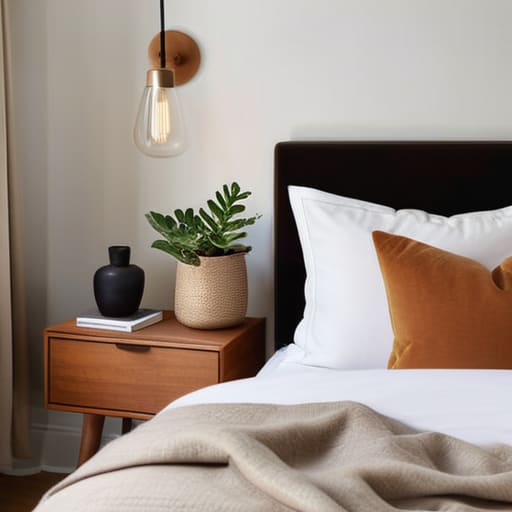
At the end of the day, setting up a guest room isn’t about having a showroom-ready suite or a Pinterest-perfect sanctuary. It’s about the systems we’ve discussed: optimizing the layout so people can move freely, choosing decor that adds character without creating unnecessary mental load, and keeping the essentials within reach. When you focus on flow and functionality rather than just aesthetics, you create a room that serves a purpose without becoming another area of your home that requires constant maintenance. Remember, the goal is to provide a comfortable landing pad for your loved ones while ensuring the space remains a low-maintenance asset rather than a cluttered liability.
I’ve learned through my own journey of simplifying my life that the most meaningful spaces are often the simplest ones. You don’t need to overhaul your entire house to be a great host; you just need to provide a few thoughtful foundations that say, “I’ve prepared this for you.” Don’t let the pursuit of a “perfect” guest room stop you from actually using the space or inviting people in. Focus on the small, repeatable comforts—a clean surface, a clear path, and a bit of breathing room. Once you build that foundation, you’ll find that hospitality becomes much more about the connection and much less about the chores.
Frequently Asked Questions
How do I balance making the room feel cozy for guests without letting it turn into a permanent storage unit for my own stuff?
This is the classic “spare room trap.” I used to let my guest room slowly morph into a graveyard for half-finished projects and seasonal bins. To stop it, I use a “one-in, one-out” rule for the floor space. If you need to store something there, it has to be in a closed, uniform container—not loose piles. Keep the surfaces clear, add one soft throw, and treat the room as a functional zone, not a dumping ground.
What are the absolute essentials I should provide so my guests feel taken care of without me overspending?
Keep it simple. You don’t need a five-star hotel experience; you just need to anticipate the small frictions of travel. I always stick to the “Big Four”: clean linens, a dedicated charging station, a carafe of water, and the Wi-Fi password printed clearly on the nightstand. If they have those, they can settle in without having to ask you a dozen questions. It’s about thoughtfulness, not a heavy receipt.
If the room is really tiny, should I prioritize a real bed or a more versatile option like a high-quality sofa bed?
If you’re working with a truly tiny footprint, go with the high-quality sofa bed. I’ve learned that trying to squeeze a full-sized mattress into a cramped room often turns the space into a storage closet rather than a functional area. A solid sofa bed gives you your floor space back during the day, reducing that feeling of being hemmed in. Just make sure it’s a good one—nobody wants to wake up with a backache.
How can I keep the guest room low-maintenance so I'm not spending my entire weekend cleaning it every time someone visits?
The trick is to stop treating the guest room like a museum and start treating it like a system. I keep a small, dedicated cleaning kit—just some microfiber cloths and an all-purpose spray—in a basket inside the closet. When a friend heads home, I spend ten minutes doing a quick reset rather than a deep clean. If you keep the surfaces clear and the linens easy to swap, the room stays ready without the weekend-long headache.