
I used to think that if I wanted to be healthy, I needed a standing desk that cost more than my first car or a dedicated hour for high-intensity interval training right in the middle of my lunch break. It felt like a massive, exhausting chore just to combat the physical toll of sitting in an office chair for eight hours straight. I spent years chasing these “all-or-nothing” fitness trends, only to end up more burnt out and frustrated than when I started. The truth is, most of the advice on how to stay active at work is way too complicated for anyone with a real job and a mounting to-do list.
I’m not here to sell you on a lifestyle overhaul or some expensive piece of ergonomic equipment. Instead, I want to share the small, repeatable systems I’ve built into my own daily routine to keep my energy from bottoming out by 3:00 PM. We’re going to focus on micro-movements and realistic habits that actually fit into a busy schedule. My goal is to help you build a better foundation for your health without adding more decision fatigue to your plate.
Table of Contents
Why Perfection Is the Enemy of Daily Movement
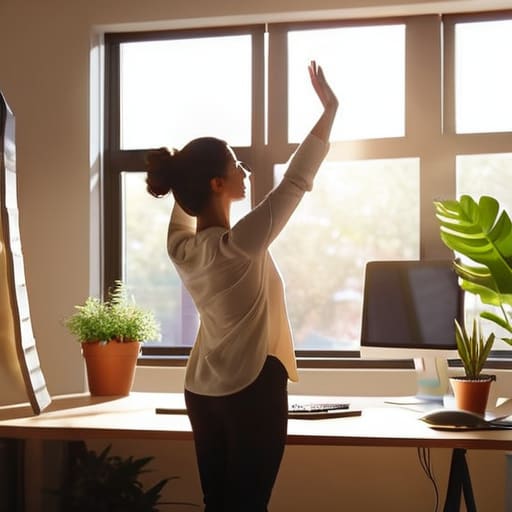
I used to think that if I couldn’t squeeze in a full hour at the gym before my first meeting, the day was already a wash. I’d sit there, staring at my monitor, feeling the weight of a sedentary lifestyle health risks looming over me, but I’d stay glued to my chair because I didn’t have the “right” amount of time to move. That mindset is a trap. We tend to view movement as an all-or-nothing endeavor—either you’re hitting a personal best on a treadmill, or you’re failing.
In reality, that binary thinking is exactly what keeps us stuck. When we wait for the perfect window of time to be active, we end up doing nothing at all. I’ve learned that incorporating movement into your office routine doesn’t require a change of clothes or a sweat session. It’s about the small, almost invisible wins. If you wait until you’re exhausted to try and fix your habits, you’ve already lost the battle against decision fatigue. Instead of aiming for a marathon, aim for a single stretch. It’s much easier to sustain a system when the barrier to entry is incredibly low.
The Hidden Cost of Staying Still Too Long

It’s easy to think that sitting still is “neutral”—that you aren’t doing any harm as long as you aren’t running a marathon. But I’ve learned the hard way that stillness isn’t neutral; it’s a slow drain on your system. When I first transitioned into my operations role, I used to sit for six or seven hours straight, fueled by caffeine and sheer willpower. By 3:00 PM, my lower back would ache, my focus would crater, and I’d feel a strange, heavy fog settling over my brain. This is the reality of sedentary lifestyle health risks; it isn’t just about physical aches, but how being static erodes your mental clarity and long-term energy.
We often treat our bodies like secondary hardware to our brains, but they are deeply interconnected. When you remain frozen in one position, your circulation slows down, and your muscles begin to tighten in ways that signal your brain to go into a low-power mode. I started noticing that my best ideas didn’t come when I was staring intensely at a spreadsheet, but during those brief moments when I stepped away. Integrating micro-breaks for productivity isn’t a luxury or a distraction; it’s a biological necessity to keep your cognitive engine running. If you don’t proactively move, your body will eventually force you to stop.
Five Low-Friction Ways to Keep Moving
- The “Hydration Loop”: Use a smaller water glass instead of a giant jug. It forces you to get up and walk to the kitchen or water cooler more frequently, turning a basic need into a built-in movement trigger.
- Phone Call Pacing: I’ve made it a rule that if a meeting doesn’t require me to stare at a shared screen, I stand up. If I’m on a mobile call, I pace around my office. It’s amazing how much distance you cover just by talking.
- The Micro-Stretch Reset: Every time you finish a deep-work task or close a heavy email thread, take sixty seconds to stretch your hip flexors or roll your shoulders. Don’t wait for the ache to set in; move before the stiffness starts.
- Intentional Transit: If you work in an office, skip the elevator for anything under three floors. If you’re remote, try a “fake commute”—a ten-minute walk around the block before you sit down to start your day. It signals to your brain that the workday has officially begun.
- Desktop Minimalism for Movement: Clear your immediate workspace so you aren’t tethered to your chair. When your environment is uncluttered, it’s much easier to transition from sitting to standing or to move to a different spot in the house to change your perspective.
Building Your Foundation
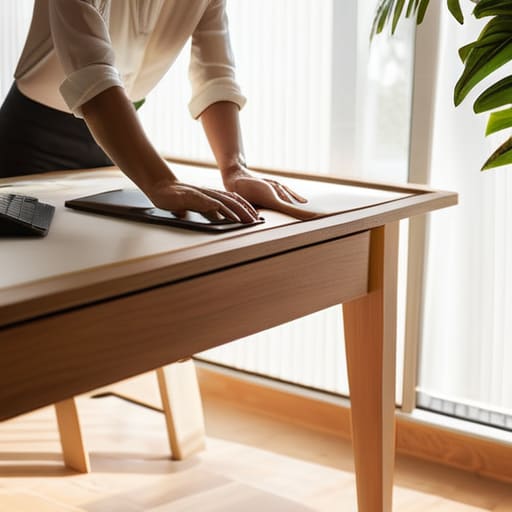
At the end of the day, staying active at work isn’t about finding an hour for a high-intensity workout between meetings; it’s about the small, intentional choices you make in the margins of your schedule. We’ve talked about why the “all or nothing” mentality kills progress and how the physical toll of sitting still can quietly drain your focus and energy. By implementing simple systems—like a standing desk, a quick stretch every hour, or a short walk during a phone call—you aren’t just moving your body; you are protecting your mental clarity. Remember, the goal is to integrate movement into your existing workflow so that it feels like a natural part of your routine rather than another stressful task on your to-do list.
I know how easy it is to let these small habits slip when a deadline looms or your inbox starts overflowing. I’ve been there myself, sitting hunched over a desk for hours until my back aches and my brain feels like fog. But I’ve learned that you don’t need to overhaul your entire life to see a difference. Just pick one tiny thing to change tomorrow. Whether it’s taking the stairs or simply standing up once an hour, focus on consistency over intensity. We aren’t looking for a radical transformation; we are just building better foundations, one small movement at a time.
Frequently Asked Questions
How do I stay active without looking unprofessional or "weird" to my coworkers?
I get it. Nobody wants to be “that person” doing jumping jacks in the middle of the open-plan office. I used to worry about that too. My rule of thumb is to keep movements subtle and integrated. Think calf raises while waiting for the coffee to brew, or a quick stretch during a call when your camera is off. If you need more, take the long way to the printer. It’s about being low-key, not a spectacle.
What are some realistic ways to move more if I have a job that requires constant focus or back-to-back meetings?
When your calendar is a wall of back-to-back meetings, you can’t exactly disappear for a jog. Instead, look for the “micro-windows.” If you’re on a call where you don’t need to share your screen, stand up or pace your room. If you’re deep in focus, set a silent timer to do just ten calf raises or a quick stretch every hour. It’s about these tiny, almost invisible shifts that keep your blood flowing without breaking your flow.
Can I actually see physical benefits from these small movements, or is it just about mental clarity?
It’s definitely more than just a mental reset. While the clarity is a huge win, the physical benefits are real. Think of it as preventing “stagnation.” By moving every hour, you’re keeping your circulation active, which helps regulate blood sugar and prevents that heavy, sluggish feeling in your joints. It’s not about building muscle; it’s about maintaining your body’s basic mechanics so you don’t end the day feeling physically depleted.
I work from a tiny home office setup; are there any specific stretches or habits that work for very limited spaces?
I’ve been there. My current desk setup is basically a laptop and a notebook, so I don’t have room for a yoga mat. When space is tight, I focus on “seated mobility.” Try seated spinal twists—just grab your chair arm and rotate your torso—or simple neck rolls. Even just standing up to do three calf raises while a file downloads makes a difference. It’s not about a workout; it’s about breaking the stillness.