

I spent way too many years thinking a productive evening routine required a twelve-step skincare ritual, a guided meditation session, and a perfectly curated ambient playlist. I used to stare at these “aesthetic” lifestyle videos, feeling like a failure because I couldn’t turn my living room into a high-end spa by 9:00 PM. The truth is, most of that advice is just expensive noise designed to sell you products you don’t need. When you’re exhausted from a day of managing operations and navigating endless decision fatigue, the last thing you need is a complicated checklist that feels like a second job.
I’m not here to sell you on a lifestyle overhaul or a mountain of new gadgets. Instead, I want to share the low-stakes systems I’ve actually used to quiet my brain and prepare for the next day without the fluff. We’re going to focus on a few practical, repeatable habits that help you reclaim your mental space and actually decompress. My goal isn’t to help you achieve some polished version of perfection; it’s to help you build a functional foundation that makes tomorrow feel a little less heavy.
Table of Contents
Small Wins Improving Sleep Quality Without the Stress
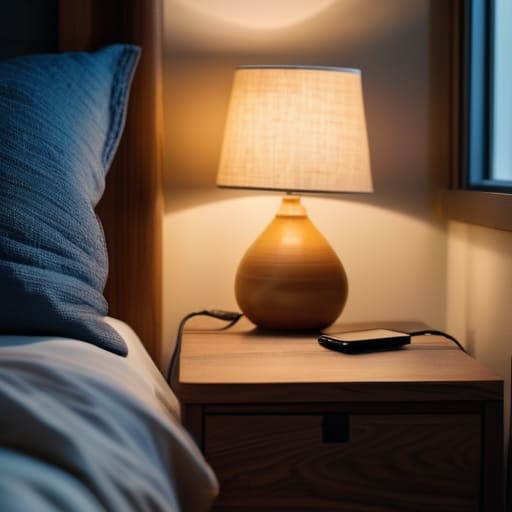
I’ve learned the hard way that trying to overhaul your entire life at 9:00 PM is a recipe for burnout. If you try to force yourself into a rigid, hour-long meditation session when your brain is still buzzing from emails, you’re just going to end up staring at the ceiling feeling guilty. Instead, I focus on what I call “low-friction wins.” For me, that starts with a simple digital detox before bed. It’s not about throwing your phone in a drawer and living like a monk; it’s just about setting a boundary. I try to plug my phone in across the room twenty minutes before I actually want to sleep. That small gap prevents the endless scroll that usually keeps me awake long after I’ve turned out the lights.
Once the screen is out of reach, I lean into a few pre-sleep relaxation techniques that don’t feel like chores. Sometimes that’s just reading a few pages of a physical book—nothing too heavy, just something to anchor my focus—or even just tidying up my desk so I don’t wake up to visual clutter. These aren’t grand gestures; they are just small ways of improving sleep quality by signaling to my nervous system that the workday is officially over. If you can nail just one of these, you’re already ahead of the curve.
The Foundation of Better Sleep Hygiene Tips for Real Life

When I first started trying to fix my sleep, I fell into the trap of buying expensive weighted blankets and downloading every meditation app on the market. It felt like another chore on my to-do list. But I eventually realized that true sleep hygiene tips aren’t about adding more stuff; they are about removing the friction that keeps your brain running at a hundred miles per hour. For me, that meant treating my bedroom like a sanctuary rather than a second office.
The most effective change I made was implementing a strict digital detox before bed. I don’t mean sitting in a dark room staring at the wall—that’s miserable. I mean putting my phone in a drawer in the kitchen at 9:00 PM. Instead of scrolling through endless feeds that trigger my “work brain,” I started leaning into much simpler, low-stakes pre-sleep relaxation techniques. Sometimes it’s just reading a physical book under a warm lamp, or using my fountain pen to jot down a quick brain dump in my notebook so my thoughts aren’t looping in my head while I’m trying to drift off. It’s about signaling to your nervous system that the day is officially over.
Five Low-Friction Habits to Close Out Your Day
- The “Brain Dump” Session. Before I even touch my toothbrush, I grab my pocket notebook and jot down everything swirling in my head—tasks for tomorrow, a weird email I forgot to send, or just a random thought. Getting it out of my skull and onto the paper stops my brain from trying to “loop” those thoughts all night.
- Set a “Digital Sunset.” I don’t expect anyone to go full monk mode and ditch their phone, but I do try to dock my devices in a different room about 30 minutes before bed. If I have to walk across the room to check a notification, I’m much less likely to fall into a mindless scrolling rabbit hole.
- Prep One Decision for Tomorrow. Decision fatigue is real. To keep my mornings from feeling chaotic, I pick one thing to handle the night before—whether that’s laying out my clothes or just deciding what I’m having for breakfast. It’s one less choice to make when my brain is still foggy in the morning.
- Dim the Lights, Dim the Energy. Harsh overhead lighting is a signal to your body that it’s high noon. I’ve started switching to small lamps or warm-toned lights around 8:00 PM. It creates a visual cue that the workday is officially over and it’s time to wind down.
- Create a “Shutdown Ritual.” Whether it’s a five-minute stretch or just cleaning the kitchen counter so I don’t wake up to a mess, I need a physical signal that the day is done. It’s not about being productive; it’s about telling my nervous system that it’s safe to stop working.
Finding Your Rhythm

At the end of the day, an evening routine isn’t about checking off a long list of chores or performing a perfect, cinematic ritual. It’s really just about creating a few intentional buffer zones between the chaos of your workday and the stillness of your sleep. Whether you’re dimming the lights, putting your phone in a different room, or just spending five minutes jotting down tomorrow’s priorities in your notebook, these small actions serve a single purpose: they signal to your brain that the heavy lifting is done. You don’t need to overhaul your entire life by Monday; you just need to build a foundation that makes tomorrow morning feel a little less like a sprint and more like a steady walk.
I know how tempting it is to chase that “optimized” version of yourself that never misses a step, but I’ve learned through plenty of trial and error that perfection is the enemy of consistency. Some nights, your routine will be a structured wind-down; other nights, it will be nothing more than collapsing onto the couch. That’s okay. The goal isn’t to be flawless, it’s to be kind to your future self. If you can reclaim even a small slice of your evening, you’re winning. So, pick one thing, try it tonight, and let the rest of the world wait.
Frequently Asked Questions
How do I stick to a routine when my work schedule or social life keeps changing?
The trick is to stop thinking in fixed times and start thinking in “if/then” sequences. If I can’t do my full routine because I’m out late with friends, I switch to a “Minimum Viable Routine”—maybe just five minutes of stretching and writing my to-do list for tomorrow. It’s about having a scaled-down version of your system that fits the chaos. Don’t break the chain; just adjust the intensity.
I feel too exhausted to even start a routine; is there a "low-energy" version I can use?
I hear you. On those days when your brain feels like mush, even a “routine” feels like another chore on your to-do list. Forget the full system. Just pick one thing: maybe it’s just setting your phone in another room, or simply dimming the lights ten minutes earlier. That’s it. We aren’t looking for a performance; we’re just lowering the friction so your body knows it’s okay to finally let go.
How much time should I actually be spending on this before it starts feeling like another chore?
If it starts feeling like a chore, you’ve already overcomplicated it. I used to fall into that trap, trying to turn my evening into a rigid, hour-long production. Honestly? If your routine takes more than 15 to 20 minutes of intentional effort, you’re likely doing too much. The goal isn’t to add more items to your to-do list; it’s to create a low-friction bridge between your workday and your sleep. Keep it lean.
Should I be avoiding screens entirely, or is there a middle ground that actually works for a busy person?
Look, I’m not going to tell you to toss your smartphone in a drawer at 8:00 PM. I’m too busy for that, and honestly, neither are you. Instead of total deprivation, I aim for a “low-stimulation” middle ground. If you can’t ditch the screen, at least switch the content. Swap the doomscrolling or high-octane Netflix for something passive—maybe a long-form article or a podcast. It’s about lowering the cognitive load, not living like a monk.