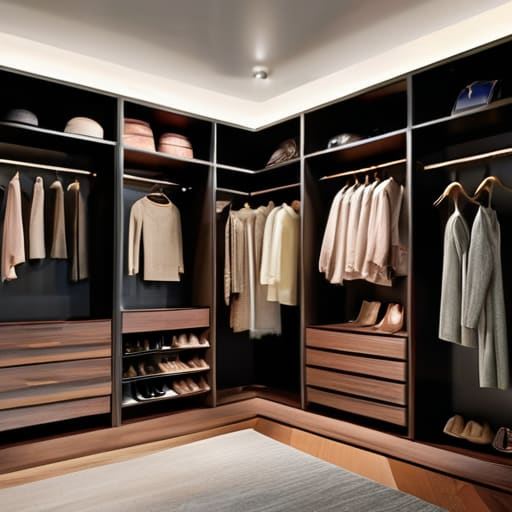

I spent a good chunk of my twenties thinking that if I just bought enough matching velvet hangers and those expensive acrylic dividers, my life would suddenly feel under control. I fell for the myth that a Pinterest-perfect wardrobe was the secret to a productive morning, but all I really ended up with was a closet that looked like a showroom and felt impossible to actually live in. Most guides on how to organize a closet focus on the aesthetics of a boutique, completely ignoring the reality of a person who actually has to get dressed in a hurry before a meeting.
I’m not here to sell you on a lifestyle overhaul or a massive shopping spree. Instead, I want to share the low-stakes systems I’ve built to reclaim my mornings and reduce that daily decision fatigue. We aren’t going to chase some unattainable standard of perfection; we are simply going to build a functional foundation that works with your actual habits. I’ll show you how to strip away the clutter and create a space that serves you, rather than a space you have to maintain.
Table of Contents
Simple Decluttering Clothes Tips for a Clear Mind
Before we even touch a single hanger, we have to address the mental weight of everything sitting in there. I used to think I needed a massive walk-in to feel organized, but the truth is, clutter is clutter regardless of the square footage. My first rule for decluttering clothes tips is to stop treating “maybe” items like they are essential. If you haven’t reached for it in a year, or if it makes you feel slightly anxious when you put it on, it’s taking up valuable mental real estate. I like to use the “one-touch” method: pick up an item, decide its fate immediately, and move it to a donate pile or the trash.
Once the excess is gone, we can look at how to manage what’s left without making it a chore. If you’re working with limited area, I’ve found that maximizing vertical closet space is the real game-changer. Instead of just piling things on a single rod, I use hanging organizers or stackable bins to utilize the height that usually goes to waste. It’s not about having a Pinterest-perfect wardrobe; it’s about making sure you can actually see what you own so you aren’t starting your morning in a state of decision fatigue.
Small Closet Organization Hacks That Actually Stick
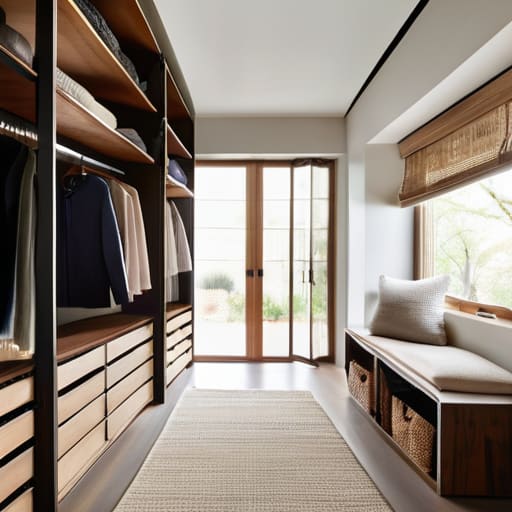
Once you’ve cleared out the excess, the goal isn’t to build a boutique display; it’s to create a system that supports your morning routine. One of my favorite small closet organization hacks is to stop fighting the floor and start looking up. Most people leave the top third of their closet completely wasted, but that’s prime real estate. I’ve found that maximizing vertical closet space with high-mounted shelves or even simple hanging organizers for accessories can take a massive amount of visual noise off your main hanging rod.
If you’re working with a tight footprint, don’t try to cram everything into view at once. I’m a big believer in a seasonal clothing rotation. There is no reason for your heavy wool sweaters to be fighting for space with your linen shirts in July. By tucking off-season items into slim, stackable bins on a high shelf, you reduce the mental friction of choosing an outfit. When searching for the best closet dividers and bins, aim for something functional rather than decorative. The goal is to create “homes” for your items so that putting them away becomes a mindless, two-second task rather than a chore you avoid.
Five Low-Maintenance Habits to Keep the Chaos at Bay
- Stop the “one-in, one-out” rule from becoming a chore. If you buy a new sweater, just pick one old one to donate immediately. It keeps the volume level from creeping up without requiring a massive weekend purge.
- Invest in uniform hangers, but don’t go overboard. Using the same type of slim velvet or wooden hangers doesn’t just look cleaner; it stops your clothes from sliding around and creating a tangled mess every time you reach for something.
- Group your clothes by category, not by color. I used to try the rainbow look, but it was too much work to maintain. Just grouping all your button-downs together and all your knits together makes finding what you need much faster when you’re running late.
- Use the “seasonal swap” method to reclaim your visual space. If you aren’t wearing it this month, tuck it into a bin on a high shelf or under the bed. If you can’t see the clutter, you won’t feel the mental weight of it.
- Keep a small “to-be-repaired” basket in the corner. Instead of letting clothes with loose buttons or small tears pile up on a chair, toss them in the basket. It keeps the closet functional and prevents the “doom pile” from forming.
Building a System That Lasts
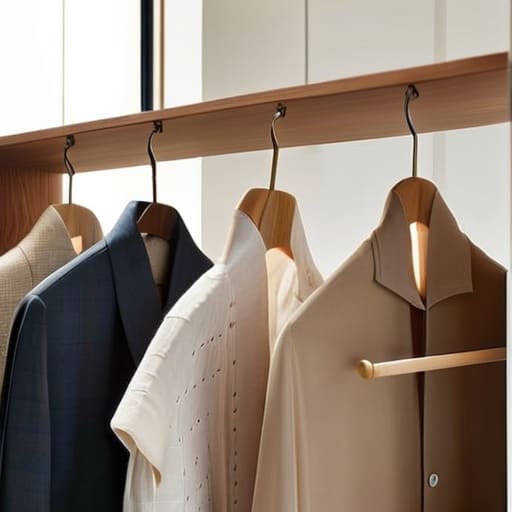
At the end of the day, organizing your closet isn’t about achieving that pristine, Pinterest-perfect aesthetic that looks great in a photo but fails in real life. It’s about the small, practical steps we talked about: being ruthless during the decluttering phase, choosing functional storage that actually fits your lifestyle, and implementing those little hacks that make finding a pair of socks a little less stressful. If you can manage to keep your most-worn items at eye level and maintain a clear distinction between what you actually use and what you’re just holding onto out of habit, you’ve already won. Remember, the goal is to create a repeatable system that works even on your busiest, most chaotic mornings.
Don’t let the idea of “perfect organization” paralyze you. If you only have ten minutes this weekend, don’t try to overhaul the entire wardrobe; just focus on one single drawer or one hanging rod. We aren’t aiming for a museum display; we are simply building a better foundation for your daily routine. When your space is intentional, your mind follows suit. Take it one shelf at a time, keep it simple, and give yourself the grace to adjust the system as your life evolves. You’ve got this.
Frequently Asked Questions
I have way too many clothes for my tiny space; how do I decide what to actually keep without feeling guilty?
Look, I get it. We tend to keep clothes because of who we used to be or who we hope to become. But that guilt is just decision fatigue in disguise. Try the “One-Year Rule” combined with a “Maybe Box.” If you haven’t worn it in a year, put it in a box. If you don’t reach for it in three months, let it go. We’re clearing space for the life you’re actually living now.
Should I invest in expensive matching hangers, or is there a cheaper way to make the closet look organized?
Look, I get the temptation to go out and buy those heavy-duty velvet or wooden hangers that look like they belong in a boutique. But honestly? Don’t do it yet. If you’re just starting to build your system, expensive hangers are a luxury, not a necessity. Grab a bulk pack of simple, slim velvet ones instead. They save space and keep things from slipping, but they won’t break your budget. Focus on the habit first; the high-end gear can wait.
How do I organize my clothes so I can actually find things quickly during a rushed Monday morning?
The trick isn’t about making it look like a boutique; it’s about reducing the number of decisions you have to make when you’re half-awake. I swear by “uniform grouping.” Group your clothes by category, then by color. When everything follows a logical flow—long sleeves to short, light to dark—your eyes find what you need instantly. It turns a frantic search into a simple scan, saving you those precious five minutes of morning chaos.
I struggle with seasonal changes—what's the best way to store my winter gear so it doesn't take over my daily closet?
The trick is to stop treating your closet like a permanent warehouse. I use the “out of sight, out of mind” rule. Grab some slim, clear bins or vacuum-seal bags for your heavy sweaters and coats. Store them under the bed or on a high shelf where you won’t reach them daily. It keeps the visual clutter down and protects your gear, making the seasonal swap feel like a quick reset rather than a chore.