
I spent years thinking that if I didn’t buy the organic kale, the expensive supplements, or the $15 meal prep containers, I was failing at nutrition. I used to stare at my kitchen counter, overwhelmed by the sheer amount of “wellness” noise telling me that eating well had to be a full-time job. It’s exhausting, isn’t it? Most of the advice out there makes it feel like you need a PhD in biochemistry just to figure out how to build better eating habits that actually last. I’m tired of the complexity, and frankly, I think you are too.
I’m not here to sell you a restrictive diet or a complicated lifestyle overhaul that falls apart the moment your work week gets chaotic. Instead, I want to share the small, repeatable systems I’ve used to simplify my own kitchen routine and reclaim my mental energy. We are going to focus on building a functional foundation—one that fits into a busy life without requiring perfection. Let’s skip the hype and focus on what actually works for real people with real schedules.
Table of Contents
Meal Planning for Beginners Systems Over Stress
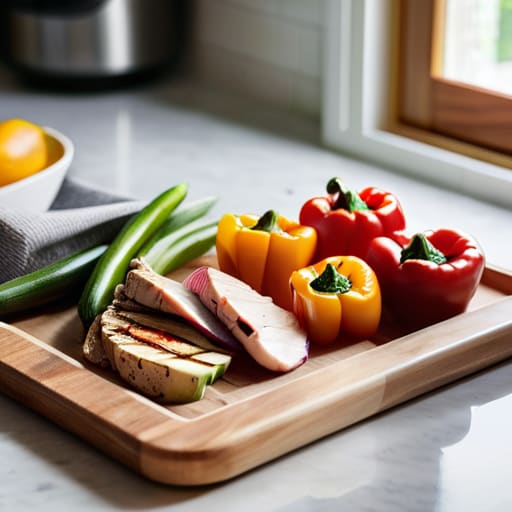
When I first started managing operations at my current job, I realized I was treating my kitchen like a chaotic warehouse. I’d come home exhausted, stare into a fridge full of random ingredients, and end up ordering takeout because the mental load of deciding what to cook felt too heavy. The shift happened when I stopped trying to follow complex recipes and started focusing on meal planning for beginners through the lens of simple systems. Instead of a rigid, hour-by-hour schedule, I started prepping “building blocks”—a batch of roasted vegetables, a grain, and a protein. This way, I wasn’t deciding on a meal; I was just assembling components.
The goal here isn’t to become a gourmet chef overnight; it’s about reducing the friction between hunger and a healthy choice. I like to keep a running list in my pocket notebook of five go-to meals that I can whip up in under twenty minutes. By having these pre-determined defaults, you bypass that mid-week decision fatigue that usually leads to poor choices. If you can automate the “what” and the “when,” you create the mental space needed for sustainable dietary changes that actually stick, rather than a crash diet that falls apart by Thursday.
Nutritional Balance Tips for a Solid Foundation
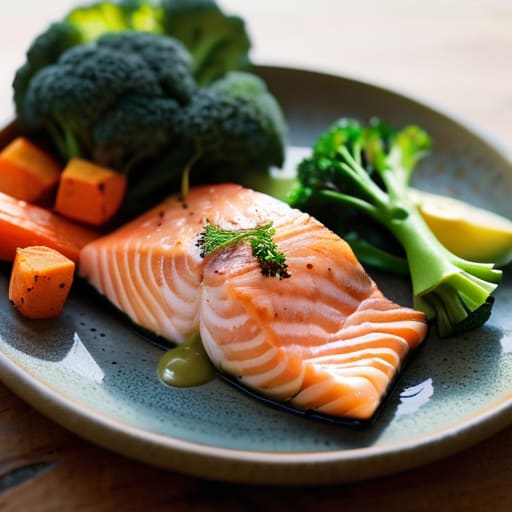
Once you’ve got a basic plan in place, the next step isn’t about counting every single calorie or obsessing over macros; it’s about finding a rhythm that works for your body. I used to think nutritional balance meant following a strict, rigid list of “allowed” foods, but that just leads to burnout. Instead, I focus on a simple visual rule: try to get a protein, a healthy fat, and a fiber-rich vegetable onto your plate at most meals. These nutritional balance tips aren’t meant to be a prison sentence; they are just a way to ensure you aren’t crashing by 3:00 PM. When you prioritize satiety, you naturally reduce the urge to reach for processed snacks later in the day.
It also helps to pay attention to how you actually feel while you’re sitting at the table. I’ve found that practicing a few mindful eating techniques—like putting the phone away and actually tasting the food—makes a massive difference in how much you consume. It’s much harder to overeat when you’re actually present for the meal. This isn’t about restriction; it’s about building a more intentional relationship with what you eat so that your diet feels like a choice rather than a chore.
Five Small Shifts to Keep the Momentum Going
- Stop aiming for a “perfect” menu. I used to think if I didn’t hit every macro perfectly, the whole day was a wash. Instead, aim for a “good enough” baseline. If you eat a decent breakfast and lunch, you’ve already won the hardest part of the day.
- Use the “One-Ingredient Rule” for easy decision-making. When you’re staring at a grocery shelf and feeling that decision fatigue kick in, just look for things that are just one ingredient—like an apple, an egg, or a bag of spinach. It removes the mental math of reading complex labels.
- Prep your environment, not just your food. I’ve found that if I wash my berries or chop my onions as soon as I get home from the store, I’m ten times more likely to actually use them. It’s about lowering the barrier to entry for the healthy choice.
- Master the “Emergency Meal.” We all have those nights where work runs late and the brain is fried. Keep one or two ultra-simple, healthy options in the pantry—like canned lentils or frozen veggies—so you don’t default to the delivery app out of sheer exhaustion.
- Audit your hunger, not just your calories. Before you reach for a snack, take a second to check in with yourself. Are you actually hungry, or are you just bored, stressed, or thirsty? A quick glass of water and a minute of breathing can often clear that mental fog.
Building Your Foundation
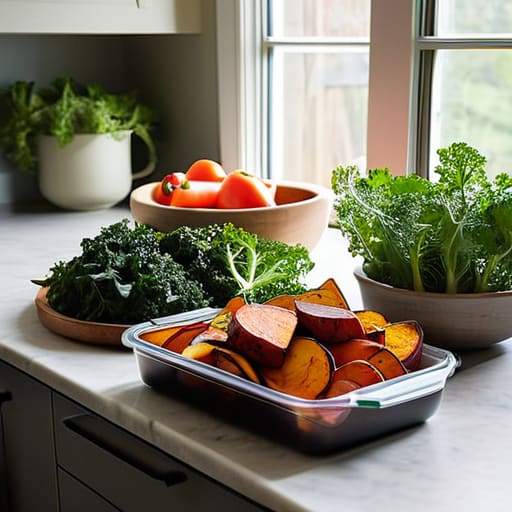
At the end of the day, improving how you eat isn’t about a radical overhaul or a restrictive list of forbidden foods. It’s about the systems we discussed: using meal planning to remove the daily guesswork and focusing on nutritional balance to give your body what it actually needs to function. If you can master even just one of these small shifts—like prepping a few staples on a Sunday or ensuring there is always a green vegetable in your fridge—you are already ahead of the curve. Remember, the goal is to create sustainable structures that work with your busy life, rather than fighting against it. We are looking for consistent progress, not sudden perfection.
I know how easy it is to get overwhelmed by the sheer amount of wellness noise out there, but I want you to take a breath and simplify. You don’t need a gourmet kitchen or a PhD in nutrition to make better choices; you just need a bit of intentionality and a willingness to start small. Treat your eating habits like I treat my furniture restoration projects—it’s all about the prep work and the steady, methodical layers that build something lasting. Don’t let the fear of doing it “wrong” stop you from doing it at all. Just pick one thing, start today, and trust the process of building a better foundation.
Frequently Asked Questions
How do I stick to these systems when my work schedule gets unpredictable or I'm forced to eat out?
This is where most people throw in the towel, but this is actually where the system matters most. When my schedule blows up, I lean on “decision minimums.” If I’m eating out, I don’t overthink it; I just follow one rule, like “protein and greens first.” Don’t try to execute a perfect plan when you’re stressed. Just aim for the next best choice. It’s about staying in the game, not being perfect.
I don't have much time on weeknights; what are some low-effort ways to keep things healthy without spending hours in the kitchen?
I hear you. Weeknights are usually when my willpower is at its lowest, too. My go-to system is “component prepping” rather than full meals. On Sunday, I just roast a big tray of veggies and cook a batch of grains. During the week, I’m just assembling: a handful of greens, some pre-cooked protein, and those components. It takes five minutes, zero decision fatigue, and keeps me from reaching for the takeout menu.
How much "planned" eating is too much? I don't want to feel like I'm losing the joy of eating just to stay organized.
I get this question a lot, and honestly, I’ve been there. I used to treat my meal plan like a rigid contract, and it felt less like nourishment and more like a chore. Here’s my rule: plan for the structure, but leave room for the spontaneity. If a friend asks you to dinner or you’re craving something specific, go for it. The system is there to serve you, not to cage you.
What are some simple ways to grocery shop efficiently so I'm not constantly buying things I won't actually use?
The secret to not wasting money is a “Shop Your Kitchen” audit. Before you even touch your phone, look in your pantry and fridge. I always jot down what I already have in my notebook so I don’t double up on staples. Then, stick to a strict list. If it’s not on the list, it doesn’t go in the cart. It sounds rigid, but it’s the easiest way to stop impulse buys from cluttering your kitchen.