
I used to think that figuring out how to eat more vegetables required a complete kitchen overhaul and a subscription to some overpriced organic meal kit service. I’d see these influencers posting vibrant, complicated Buddha bowls that looked more like art projects than actual meals, and frankly, it felt exhausting. For someone like me, who spends my workday trying to streamline operations and reduce decision fatigue, the idea of spending forty minutes prepping a single salad felt like a massive step backward. I didn’t need a culinary revolution; I just needed a way to get some nutrients without it feeling like a second job.
In this post, I’m not going to give you a list of “superfoods” or demand that you become a vegetarian overnight. Instead, I want to share the low-friction systems I’ve built into my own routine to make greens feel automatic rather than an obligation. We’re going to focus on small, repeatable tweaks—the kind of practical adjustments that actually stick when life gets busy. My goal is to help you build a better foundation for your health through simplicity, not through sheer willpower.
Table of Contents
Small Wins Simple Vegetable Meal Prep Ideas
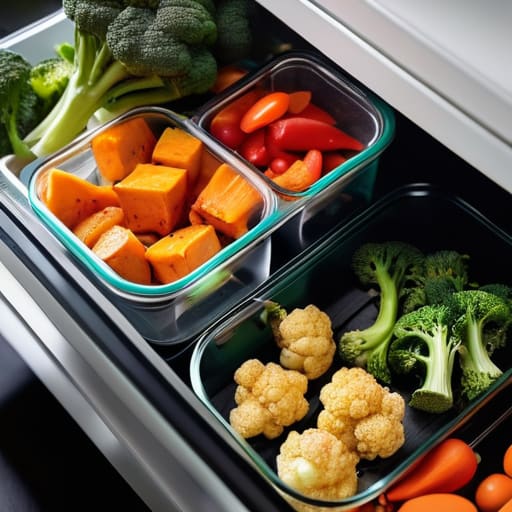
When I first started trying to improve my diet, I made the mistake of thinking I needed to spend my entire Sunday chopping kale and roasting trays of cauliflower. That’s a recipe for burnout, not consistency. Instead, I shifted to a “component-based” approach. I don’t prep full meals; I just prep versatile building blocks. Think of it as creating a toolkit. I usually roast a large batch of seasonal vegetables or steam a bag of frozen broccoli while I’m already using the stove for something else. Having these ready in the fridge makes increasing fiber intake feel like a natural byproduct of your meal rather than a chore.
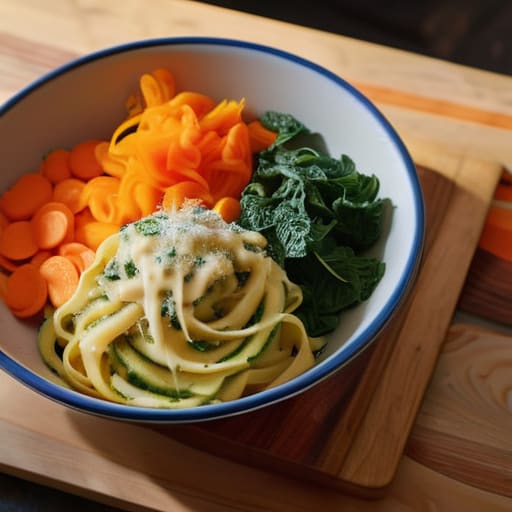
Another trick I use to keep things low-friction is looking for hidden ways to add veggies to things I’m already eating. If I’m making a pasta sauce, I’ll blend in some sautéed carrots or zucchini. It changes the texture slightly, but it’s a seamless way to boost nutrition without needing a whole new recipe. If you’re looking for easy vegetable recipes for beginners, don’t overthink it. A simple sheet-pan roast with olive oil, salt, and a bit of garlic powder is often all you need to build a solid foundation. The goal isn’t a culinary masterpiece; it’s just making the healthy choice the easiest one.
Hidden Ways to Add Veggies Without the Effort
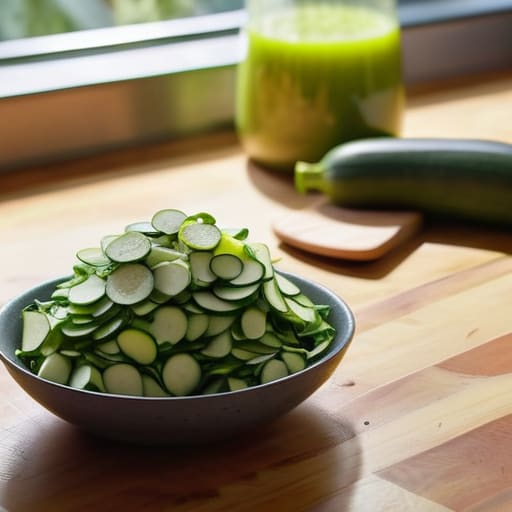
If you’re like me, some days the idea of a dedicated “salad night” feels like too much mental heavy lifting. On those days, I lean into hidden ways to add veggies into things I’m already making. It’s about stealth, not struggle. I’ve found that finely grating zucchini into a pasta sauce or tossing a handful of baby spinach into a morning smoothie works wonders. You aren’t even tasting the change, but you’re effectively increasing fiber intake without having to sit down to a massive bowl of greens.
Another tactic I use is the “finely chopped” method. When I’m making something like chili, taco meat, or even a basic omelet, I throw in some diced bell peppers or mushrooms. If you chop them small enough, they essentially melt into the texture of the meal. This is one of my favorite plant-based nutrition tips because it removes the friction of having to decide when to eat your vegetables; they just become a built-in part of the dish. It’s not about a radical lifestyle overhaul; it’s just about making the healthy choice the easiest one to execute.
The Low-Friction Approach: 5 Systems to Keep the Momentum
- Buy the pre-washed stuff. I know, the markup feels annoying, but the “tax” you pay for pre-cut greens is a lot cheaper than the cost of a bag of spinach wilting in your crisper drawer because you didn’t have the energy to chop it.
- Use the “One-for-One” rule. Whenever you’re making something carb-heavy—like pasta or rice—make it a non-negotiable habit to add one handful of a vegetable to that same bowl. Don’t change the recipe; just add to it.
- Keep a “Emergency Veggie” stash in your freezer. Frozen peas, broccoli florets, or corn are lifesavers. When you’re too tired to cook a real meal, throwing a handful of frozen veggies into a bowl of instant noodles or a quick omelet still counts as a win.
- Master one simple roasting method. If you can roast a tray of vegetables in the oven with just olive oil, salt, and pepper, you’ve won half the battle. It’s much easier to eat roasted carrots than it is to deal with steamed, mushy ones.
- Keep your vegetables visible. I’ve found that if I put the bell peppers or cucumbers in a clear container at eye level in the fridge, I actually eat them. If they’re buried in the bottom drawer, they basically don’t exist to me.
Building Your Foundation
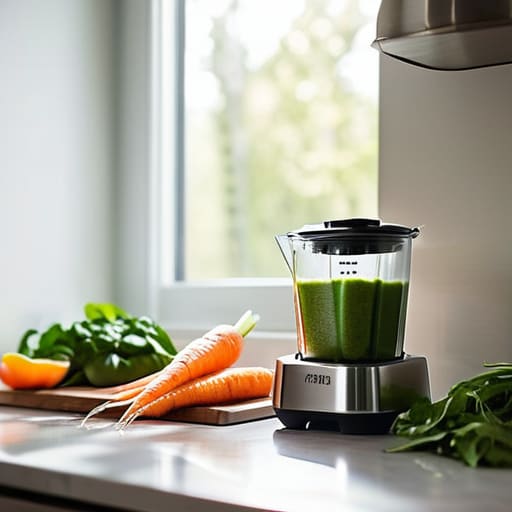
At the end of the day, eating more vegetables isn’t about a radical dietary overhaul or spending your entire Sunday in a kitchen surrounded by Tupperware. It’s about the small, low-friction adjustments we discussed—whether that’s pre-chopping a few carrots on a Sunday night or simply tossing a handful of spinach into your morning smoothie. If you can master these tiny, repeatable systems, you stop treating nutrition like a massive chore and start treating it like a natural part of your routine. Remember, the goal isn’t to eat a perfect salad every single meal; it’s to ensure that better choices become your default setting through sheer simplicity.
I spent years trying to “fix” my lifestyle with massive, unsustainable leaps, only to burn out by Tuesday. What I learned—and what I hope you take away from this—is that consistency beats intensity every single time. Don’t let the pressure of perfection stop you from starting. Just pick one method from this list and try it tomorrow. You don’t need to overhaul your entire pantry to see a difference in how you feel; you just need to build a better foundation, one small bite at a time. Keep it simple, keep it manageable, and just keep moving forward.
Frequently Asked Questions
How do I stop feeling so bloated when I suddenly increase my fiber intake?
Look, I’ve been there. When I started adding more greens to my routine, the bloating was real. The mistake most of us make is trying to go from zero to sixty overnight. My advice? Slow your roll. Treat your gut like a new piece of mid-century furniture—you wouldn’t rush the sanding process. Increase your fiber incrementally each week and, most importantly, drink way more water. It helps the fiber move through without causing a backup.
Are there any specific vegetables that are easier to prep if I'm really short on time?
When I’m running behind, I lean heavily on “low-friction” vegetables. Think frozen peas or corn—they’re already cleaned, chopped, and ready to hit a pan. Pre-washed baby spinach is another lifesaver; you can just grab a handful and toss it into whatever you’re cooking at the last second. Also, don’t underestimate bagged coleslaw mix or pre-cut broccoli florets. They might cost a few cents more, but they buy you back precious mental space.
How can I make vegetables taste better if I've always struggled with them being bland?
The “blandness” problem usually comes down to one thing: we’re treating vegetables like a side thought rather than the main event. If you’re just steaming them into mush, of course they’re boring. Start by roasting them at high heat with olive oil and salt—that caramelization is a game changer. Once you have that base, experiment with acids like lemon juice or balsamic vinegar. It cuts through the heaviness and wakes everything up.
What’s the best way to shop for veggies so they don't just rot in the crisper drawer?
The secret is to stop shopping for “ideal” meals and start shopping for “shelf life.” I’ve learned the hard way that a massive haul of delicate greens is just a recipe for guilt once they turn to slime. Instead, buy a mix: some “fast” veggies like spinach or berries that you’ll use in 48 hours, and some “slow” staples like carrots, cabbage, or frozen peas that can wait a week. It’s about managing your inventory, not just your cravings.