
I was halfway through stripping the varnish off an old teak sideboard last Tuesday when I spotted it—a single, tiny ant marching across my workbench like it owned the place. It’s funny how one little intruder can instantly shatter your sense of calm and make your entire living space feel compromised. Most people think the answer is to go out and buy every toxic spray and expensive trap the supermarket throws at you, but that’s just adding more clutter to your mental load. Learning how to prevent pests at home shouldn’t require a chemistry degree or a massive budget; it just requires a bit of foresight.
I’m not here to sell you on miracle cures or complicated chemical regimens that leave your house smelling like a lab. Instead, I want to share the small, repeatable systems I’ve developed to keep my own space clear and my mind at ease. We’re going to focus on practical, low-effort adjustments to your environment that actually work. My goal is to give you a solid foundation of habits so you can stop worrying about what’s crawling in the corners and get back to enjoying your home.
Table of Contents
Sealing Cracks and Crevices to Reclaim Your Boundaries
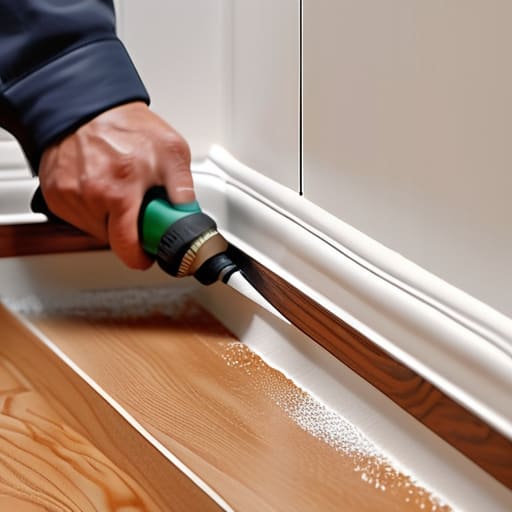
I’ve always found that my furniture restoration projects teach me a lot about the importance of a good seal. When you’re working with old wood, a tiny gap can compromise the entire piece; your home is no different. Most people wait until they see a cockroach or an ant before they start thinking about structural integrity, but by then, the battle is already halfway lost. I prefer to take a proactive approach by sealing cracks and crevices around baseboards, window frames, and where plumbing meets the wall. It’s a bit of tedious work, but it’s one of those high-leverage tasks that pays off for months.
If you aren’t ready to go out and buy a tube of caulk just yet, start by doing a quick walkthrough of your most vulnerable areas. I usually focus on pest proofing kitchen and bathroom spaces first, as that’s where moisture and food particles create the perfect invitation for uninvited guests. Grab a flashlight, get down on your hands and knees, and look for any tiny openings near your sink or under the stove. Closing those small gaps isn’t about achieving a sterile, museum-like environment; it’s simply about establishing clear boundaries between your living space and the natural world outside.
Natural Pest Repellent Methods for a Calmer Space
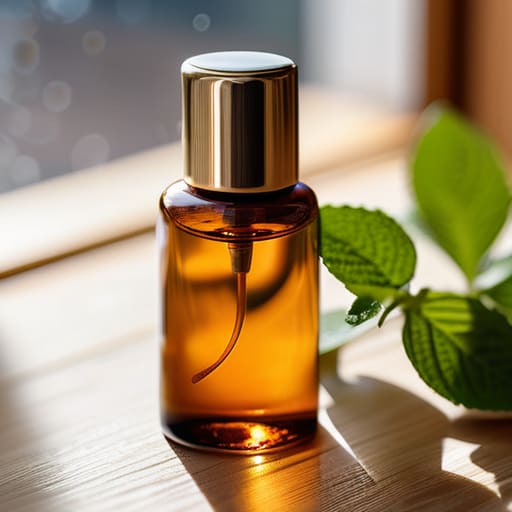
Once you’ve handled the structural side of things, like sealing cracks and crevices, I like to lean into more gentle, sensory-based approaches. I’ve always been a fan of using what’s already in the pantry to create a bit of a perimeter. For instance, peppermint oil is a lifesaver for me. I keep a small spray bottle near the baseboards; a few drops of essential oil diluted in water acts as one of those common household insect deterrents that smells much better than anything you’d find in a harsh chemical aisle. It’s a small, repeatable ritual that makes the house feel cleaner rather than “treated.”
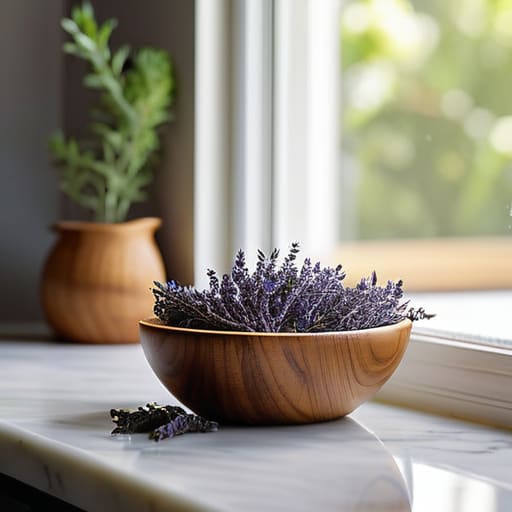
Another layer of this system involves managing your environment through scent and visibility. If you have a specific area where you notice movement, try placing dried lavender or even cloves in those corners. It’s not about creating an impenetrable fortress, but rather making your home an environment they simply don’t want to inhabit. I find that integrating these natural pest repellent methods into my weekly cleaning routine helps me stay proactive without feeling like I’m constantly fighting a losing battle. It’s about subtle shifts that maintain the peace of your living space.
Small Adjustments for a Controlled Environment
- Manage your waste with a strict “out of sight” policy. I’ve learned that leaving a trash can slightly ajar is essentially an open invitation; use tight-sealing bins and make it a habit to take the kitchen trash out every single night, regardless of how full it is.
- De-clutter your storage zones to eliminate hiding spots. Those stacks of old newspapers or cardboard boxes in the garage are prime real estate for pests, so I try to swap cardboard for airtight plastic bins to keep things organized and inaccessible.
- Control the moisture levels in your kitchen and bathroom. Pests are drawn to water just as much as food, so a quick five-minute habit of wiping down sinks and ensuring there are no leaky faucets can make your home much less hospitable to unwanted guests.
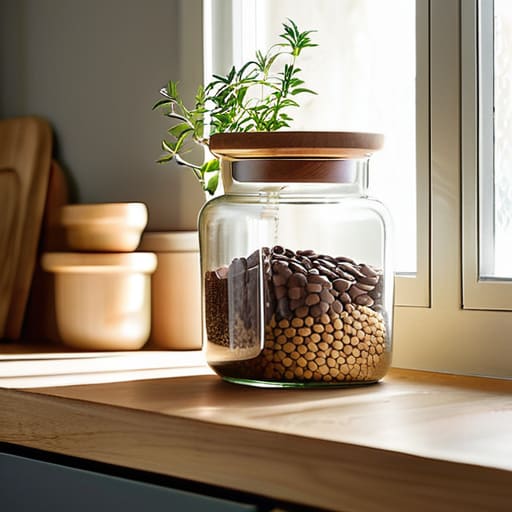
- Audit your pantry for airtight storage. I stopped keeping flour, sugar, and cereal in their original packaging and moved everything into glass or heavy-duty plastic containers; it’s a small upfront investment that pays off in peace of mind.
- Keep your outdoor perimeter tidy. It’s easy to forget that the battle starts outside, so keeping mulch away from your foundation and trimming back overgrown shrubbery creates a much cleaner buffer between your living space and the wild.
Small Steps, Clearer Spaces
At the end of the day, preventing pests isn’t about a single, massive weekend of deep cleaning or calling in an expensive exterminator at the first sign of trouble. It’s really about the small, cumulative wins: sealing that one persistent gap under the sink, keeping your pantry airtight, and using natural deterrents to keep your environment feeling intentional and clean. By implementing these minor adjustments, you aren’t just fighting off bugs; you are actively managing your environment so it works for you, rather than against you. It’s all about building a consistent defense through simple, repeatable actions that prevent the chaos from ever starting.
I know that life can feel overwhelming enough without adding household infestations to your mental load. But remember, you don’t have to get everything perfect on day one. Just pick one area of your home this week—maybe it’s the kitchen cabinets or the window seals—and tackle it. Once you establish these basic systems, you’ll find that you spend much less time reacting to problems and much more time actually enjoying your space. We aren’t aiming for a sterile museum; we are just trying to create a stable foundation where you can truly relax. Keep it simple, stay methodical, and reclaim your peace of mind.
Frequently Asked Questions
How often should I actually be checking my pantry and cabinets for signs of trouble?
I’ve found that a full pantry audit every month is usually enough to catch things before they become a real headache. However, I like to do a quick “scan” during my weekly grocery reset. When I’m putting away new supplies, I just take ten seconds to glance at the back of the shelves. It’s a low-effort habit that prevents a small issue from turning into a full-blown infestation.
Are there specific types of food storage containers that are better at keeping things pest-proof?
When it comes to the pantry, I’ve learned that “airtight” is the only metric that matters. I’ve ditched the flimsy original cardboard boxes for glass jars with silicone seals or heavy-duty BPA-free plastic containers with locking lids. If a pest can smell it, they’ll find a way in. Investing in a uniform set of airtight containers isn’t just about looking organized; it’s a simple system to starve them out before they even start.
If I already have a small infestation, should I try to fix it myself or call in a professional right away?
Look, I’m a big believer in DIY systems, but I also know when a problem is outgrowing my capacity to manage it. If you’re seeing a single stray bug, grab your supplies and handle it. But if you’re finding them in multiple rooms or seeing them during the day, stop. Don’t let the stress compound. At that point, calling a professional isn’t a failure; it’s just an efficient way to reclaim your mental space.
Can these natural repellent methods actually work if I live in an older house with more entry points?
That’s a fair question, and honestly, it’s the one I get asked most. If you’re in an older house, natural repellents shouldn’t be your only line of defense. Think of them as your secondary layer. The sealing we talked about earlier is your primary barrier; the natural oils and scents are just there to make your home “unpleasant” to anything that manages to sneak through. Use the physical fixes first, then use the botanicals to reinforce them.