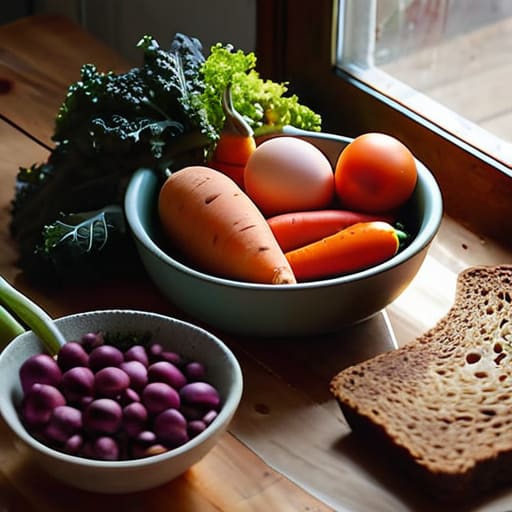

I remember sitting in my cramped studio apartment during my early twenties, staring at a receipt for a “superfood” smoothie that cost more than my actual lunch. It felt like a scam—the idea that you had to buy expensive organic powders and exotic grains just to maintain a decent baseline of nutrition. For a long time, I fell for the myth that healthy eating on a budget was an impossible balancing act between starving your wallet and starving your body. I thought wellness was a luxury item reserved for people with more time and money than I had, but I was looking at it all wrong.
I’m not here to sell you on a complicated meal prep ritual that takes five hours every Sunday or a list of expensive supplements you don’t actually need. Instead, I want to share the small, repeatable systems I’ve built to keep my kitchen stocked and my energy high without the decision fatigue. We’re going to focus on practical, low-friction ways to manage your groceries and your menu. My goal is to help you build a sustainable foundation for your health that actually fits into a busy, real-world schedule.
Table of Contents
Smart Grocery Shopping on a Budget Reclaiming Your Mental Space
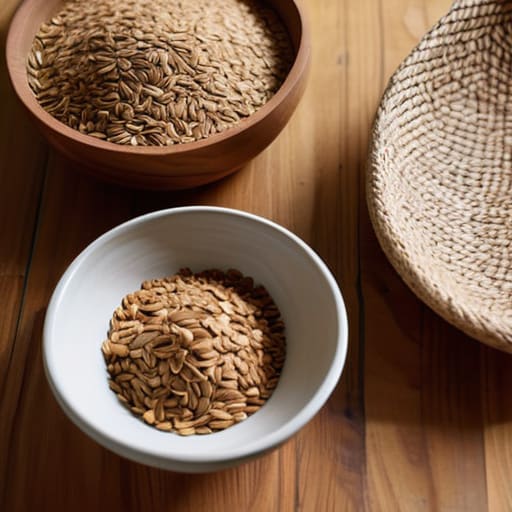
The biggest drain on my mental energy used to be the aimless wander through the grocery aisles, staring at labels and wondering if I was actually making a good choice. That decision fatigue is real, and it usually ends with me grabbing whatever is convenient—which is almost always expensive and processed. To fix this, I started treating my shopping trips like an operations checklist. Instead of trying to buy everything, I focus on bulk buying healthy staples like oats, lentils, and brown rice. These items form a reliable foundation that doesn’t require much thought, allowing me to save my brainpower for more creative parts of my day.
I’ve also learned that the most efficient way to shop is to work with the rhythm of the market rather than fighting against it. Embracing seasonal produce benefits has been a game changer for my wallet; when berries or greens are in season, they aren’t just more flavorful, they are significantly cheaper. I keep a running list in my pocket notebook of the low-cost nutrient-dense foods I actually enjoy, so I’m never standing in the middle of an aisle feeling lost. By narrowing my focus to a few predictable, high-quality ingredients, I’ve turned a chaotic chore into a calm, repeatable system.
Finding Affordable Whole Foods That Actually Fuel Your Day
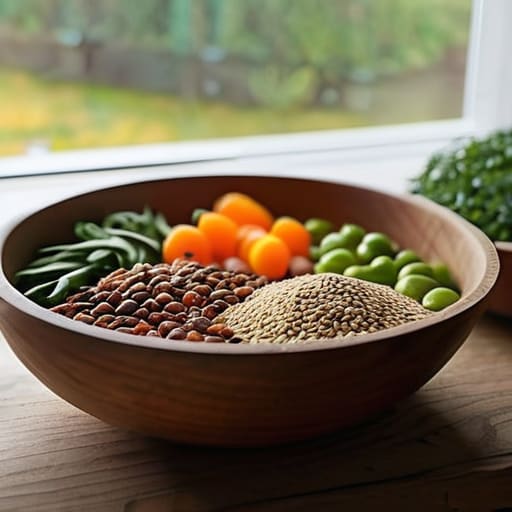
When I first started managing my own kitchen, I fell into the trap of thinking “healthy” meant expensive organic superfoods in glass jars. It’s a quick way to drain your bank account and leave you feeling defeated. In reality, the most effective way to fuel your body is to focus on low cost nutrient dense foods that don’t require a marketing budget to justify. I’m talking about the heavy hitters: dried lentils, oats, eggs, and frozen vegetables. These aren’t “diet food”; they are the foundational building blocks that keep your energy stable without the mid-afternoon crash.
One of the biggest shifts in my own routine was embracing the seasonal produce benefits that come with shopping smarter. When you buy what’s actually in season, you aren’t just getting better flavor; you’re getting better prices. If you pair seasonal items with some strategic bulk buying of healthy staples—like brown rice or quinoa—you create a safety net for your pantry. This approach takes the guesswork out of your nutrition. Instead of staring at a shelf of processed snacks, you have a reliable system of ingredients that are both kind to your wallet and excellent for your focus.
Five Small Systems to Keep Your Kitchen Simple and Your Costs Low
- Master the art of the “base ingredient.” Instead of buying specific meals, buy versatile staples like dried lentils, oats, or brown rice. When you have a solid, inexpensive foundation, you can pivot your flavors based on whatever is on sale that week without needing a new recipe.
- Embrace the frozen aisle without guilt. Frozen vegetables and fruits are often picked at peak ripeness and are much more budget-friendly than fresh produce that might rot in your crisper drawer before you use it. It’s one less thing to worry about wasting.
- Stop the “impulse scan” by sticking to a rigid list. I used to wander the aisles, letting my eyes dictate my cart, which always ended in expensive, unnecessary snacks. Now, I write my list in my pocket notebook and treat it like a mission. If it’s not on the page, it doesn’t go in the basket.
- Batch-cook your proteins. Cooking a large batch of beans, eggs, or chicken on a Sunday saves you from the “decision fatigue” of Tuesday night when you’re tired and tempted to order expensive takeout. Having a prepared protein makes assembling a healthy meal feel automatic.
- Audit your pantry before you shop. It sounds simple, but I’ve wasted so much money buying duplicates of things I already had tucked in the back of a shelf. A quick five-minute scan of your cupboards before you head out ensures you’re only spending money on what you actually need to complete your meals.
Building Your Foundation
At the end of the day, eating well shouldn’t feel like a second job or a constant battle against your bank account. We’ve looked at how a bit of intentionality in your grocery aisles and a focus on versatile, whole foods can take the guesswork out of your nutrition. It isn’t about having a perfectly curated, aesthetic pantry or following a restrictive, expensive diet; it’s about creating repeatable systems that work for your specific life. By automating your shopping list and prioritizing staples that offer the most bang for your buck, you aren’t just saving money—you are reclaiming the mental energy that usually gets wasted on the “what’s for dinner” panic.
I know how easy it is to fall into the trap of thinking that healthy living requires a massive lifestyle overhaul. But if my time restoring old furniture has taught me anything, it’s that the best results come from steady, incremental progress rather than a single, overwhelming burst of effort. Don’t try to overhaul your entire kitchen by Monday morning. Just pick one system—maybe it’s a dedicated grocery list or a new way to prep one staple ingredient—and start there. We aren’t aiming for a flawless culinary life; we are just trying to build a better foundation one meal at a time.
Frequently Asked Questions
How do I manage to prep healthy meals for the whole week without spending my entire Sunday in the kitchen?
The trick isn’t to cook entire meals; it’s to prep components. I call it “modular prepping.” Instead of making five different recipes, I spend about ninety minutes roasting two big trays of vegetables, boiling a pot of grains, and prepping one protein. On Tuesday, those ingredients become a Mediterranean bowl; by Thursday, they’re a hearty stir-fry. You’re building a toolkit of ingredients rather than a mountain of Tupperware, which keeps your kitchen—and your Sunday—much calmer.
What are some realistic ways to keep my grocery bill low when fresh produce prices seem to be constantly climbing?
The trick isn’t finding “cheap” produce; it’s about managing your expectations and your timing. I’ve learned to lean heavily on frozen vegetables—they’re often flash-frozen at peak nutrition and won’t rot in my crisper drawer if I get busy. I also stick to a “seasonal rotation.” If berries are priced like luxury goods this week, I swap them for apples or whatever is actually in season. It’s about being flexible, not rigid.
I struggle with snacking; how can I keep healthy, budget-friendly options on hand so I don't default to expensive takeout?
The trick isn’t willpower; it’s reducing the friction between you and a good choice. I started keeping a “grab-and-go” bin in my pantry filled with low-effort staples—think almonds, canned tuna, or hard-boiled eggs. If the healthy option is just as easy to reach as the takeout app, you’ll actually choose it. Pre-portioning a few servings on Sunday saves me from the mid-afternoon decision fatigue that usually leads to a delivery order.
Is it actually possible to get enough protein on a budget without relying heavily on expensive meat or supplements?
It’s absolutely possible, and honestly, I think it’s a better way to approach it. I used to think a high-protein diet required a constant rotation of expensive steaks or overpriced powders, but that’s just more decision fatigue. I’ve found that leaning on “foundation” proteins—things like lentils, chickpeas, eggs, and canned tuna—works much better. They’re cheap, shelf-stable, and easy to slot into a system. You don’t need luxury to fuel your body.