

I was sitting at my desk last Tuesday, staring at a mountain of spreadsheets, when I realized my “wellness routine” had become just another stressful item on my to-do list. I had spent months trying to follow these rigid, high-performance protocols I saw online—think hour-long sunrise meditations and complex meal prepping that required a culinary degree. It was exhausting, and frankly, it was a lie. We’ve been sold this idea that healthy habits for a busy schedule have to be these massive, life-altering transformations, but for most of us just trying to navigate a career and a home, that approach is a recipe for immediate burnout.
I’m not here to sell you a lifestyle overhaul or a subscription to a boutique fitness app. Instead, I want to share the small, repeatable systems I’ve used to reclaim my sanity without adding more noise to my day. We’re going to focus on low-stakes adjustments—the kind of tiny, functional shifts that actually stick when life gets messy. My goal is to help you build a foundation that works with your reality, not against it, so you can stop chasing perfection and just start feeling better.
Table of Contents
Time Efficient Meal Prepping for the Restless Professional

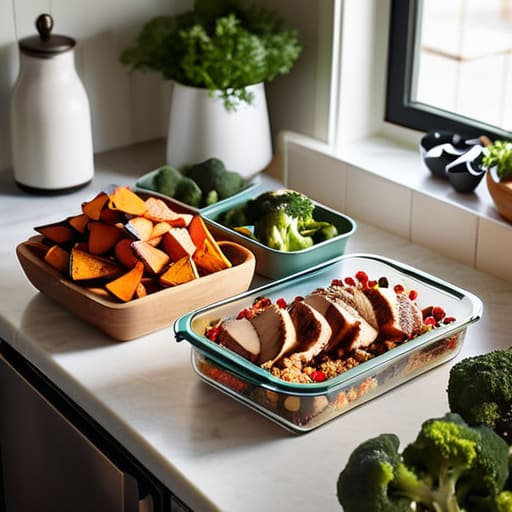
I used to think meal prepping meant spending my entire Sunday afternoon hovering over a stove, surrounded by a mountain of Tupperware. It felt like a second job, and frankly, it was exhausting. Now, I’ve shifted to a much more sustainable approach: time-efficient meal prepping through the “component method.” Instead of cooking complex recipes, I just prep versatile building blocks—a batch of roasted sweet potatoes, some grilled chicken or chickpeas, and a large container of washed greens.
This way, I’m not following a rigid menu; I’m just assembling different combinations of those parts throughout the week. It takes the guesswork out of lunch when I’m staring at the clock at 12:30 PM, and it stops me from reaching for the takeout menu when my brain is fried. If I’m really short on time, I’ll just keep a stash of nutritious snacks for work like almonds or Greek yogurt in my desk. The goal isn’t to become a gourmet chef; it’s about creating a reliable system that feeds me without draining my mental battery.
Nutritious Snacks for Work to Fuel Your Momentum

We’ve all been there: it’s 3:30 PM, your focus is cratering, and you’re staring at the vending machine like it holds the secrets to the universe. When you’re running on fumes, the temptation to grab something processed and sugary is massive, but that’s usually when the afternoon crash hits hardest. Instead of relying on caffeine or quick sugar fixes, I’ve found that having a stash of nutritious snacks for work is one of the simplest ways to keep my momentum steady without the inevitable energy slump.
The trick isn’t to turn snacking into another chore. I like to keep things low-maintenance—think almonds, Greek yogurt, or even some pre-cut apple slices. If you’re already practicing time-efficient meal prepping for your lunches, try prepping a few snack portions at the same time. It removes that split-second moment of indecision that usually leads to a bad choice. My rule of thumb is to aim for a mix of protein and fiber; it’s a small, repeatable system that keeps my blood sugar stable and my brain sharp until I can actually sit down for dinner.
Low-Friction Wins: Five Ways to Keep Your Momentum
- The “One-Minute Rule” for physical clutter. If a task—like hanging up your coat or filing a receipt—takes less than sixty seconds, do it immediately. It prevents the mental weight of a “to-do” list from growing into a mountain of chaos.
- Schedule your movement like a meeting. I stopped waiting for “inspiration” to hit for a workout. Now, I put a twenty-minute brisk walk on my digital calendar. If it’s blocked out, it’s non-negotiable, just like a call with my boss.
- Batch your decision-making. To combat decision fatigue, pick your outfit and pack your gym bag the night before. It sounds basic, but saving those small mental calories in the morning leaves you more energy for the big stuff at work.
- Use “habit stacking” to anchor new routines. Don’t try to meditate in a vacuum; instead, tell yourself you’ll do three minutes of deep breathing right after you finish your morning coffee. Linking a new habit to an old one makes it stick much faster.
- Curate your digital environment. My phone used to be a source of constant micro-stress. I turned off all non-human notifications—no news alerts, no social media pings—leaving only texts and calls. It reclaimed a massive amount of my focus.
Finding Your Rhythm
At the end of the day, managing a busy schedule isn’t about mastering every single minute of your life; it’s about making sure your physical energy doesn’t crash when your workload peaks. We’ve looked at how streamlined meal prepping can save you from that 6:00 PM decision fatigue and how having the right snacks on hand keeps your momentum steady through the afternoon slump. It’s not about being a gourmet chef or a nutrition expert; it’s about building small, functional systems that work for your actual life, not some idealized version of it. If you can just nail the meal prep and the snack strategy, you’ve already won half the battle.
I know how it feels to look at a long to-do list and feel like there’s no room left for self-care. But please remember, you don’t need to overhaul your entire existence by Monday morning. Start small. Pick one thing—just one—and see how it feels to have that bit of mental space back. We aren’t chasing some flawless, aesthetic lifestyle; we are just trying to build a sturdier foundation for the chaos. Take it one day at a time, keep your systems simple, and be kind to yourself when things don’t go exactly to plan. You’ve got this.
Frequently Asked Questions
How do I stay consistent with these habits when my work schedule suddenly changes or gets chaotic?
This is where most people fall off the wagon, and honestly, I’ve been there too. When the chaos hits, stop trying to follow your “perfect” plan. Instead, switch to your “minimum viable version.” If you can’t meal prep a full week, just boil some eggs. If you can’t hit the gym, take a ten-minute walk. The goal isn’t the intensity; it’s just proving to yourself that the system hasn’t broken.
I struggle with decision fatigue at night; are there ways to automate my morning routine so I don't have to think?
I completely get it. That decision fatigue is a silent killer of productivity. I used to spend my mornings staring at my closet or wondering what to eat, wasting precious mental energy before my first meeting.
What are some low-effort ways to incorporate movement into a day where I'm stuck behind a desk for eight hours?
I used to think I needed a full hour at the gym to “count” as movement, but that mindset just led to more burnout. Now, I focus on micro-movements. Try the “phone call rule”: whenever you’re on a call that doesn’t require a screen, stand up and pace your office. Even better, set a timer for every 50 minutes to do two minutes of simple stretching. It’s not about intensity; it’s about breaking the stillness.
How much time should I actually be spending on these systems before they start feeling like another chore on my to-do list?
If it starts feeling like a chore, you’ve already overshot the mark. I used to think “more effort” meant “better results,” but that’s how you burn out. Aim for the “minimum viable effort.” If a habit takes more than fifteen minutes of active decision-making or setup, scale it back. The goal isn’t to add a heavy lift to your day; it’s to create a rhythm that runs on autopilot. Keep it light.