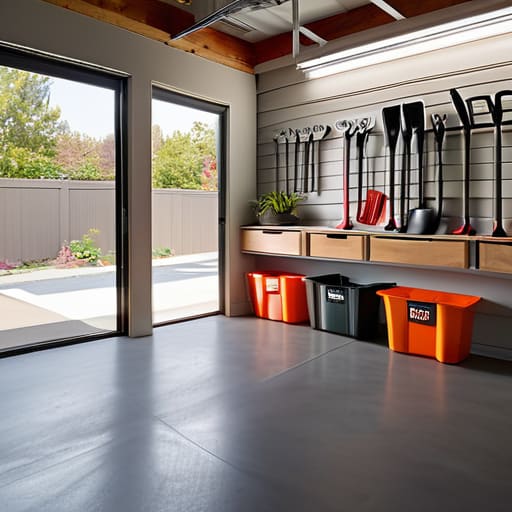

I was standing in my driveway last Saturday, staring at a mountain of half-empty paint cans and tangled extension cords, feeling that familiar, heavy knot of decision fatigue in my chest. I realized I wasn’t just looking at a mess; I was looking at a massive drain on my mental energy. Most “expert” guides on how to organize your garage tell you that you need a $5,000 custom cabinetry system or a color-coded labeling machine to find success. Honestly? That’s just expensive noise. I don’t care about having a showroom; I just want to find my drill without having to move three boxes of holiday decorations first.
I’m not here to sell you on a lifestyle overhaul or a trip to a high-end home improvement store. Instead, I want to share the small, repeatable systems I’ve used to turn my own chaotic workspace into a functional zone that actually serves me. We’re going to focus on low-friction solutions—the kind of practical, no-nonsense steps that reclaim your space and your sanity without breaking the bank. We aren’t chasing perfection here; we are just building a better foundation.
Table of Contents
A Simple Garage Decluttering Checklist to Reclaim Your Space
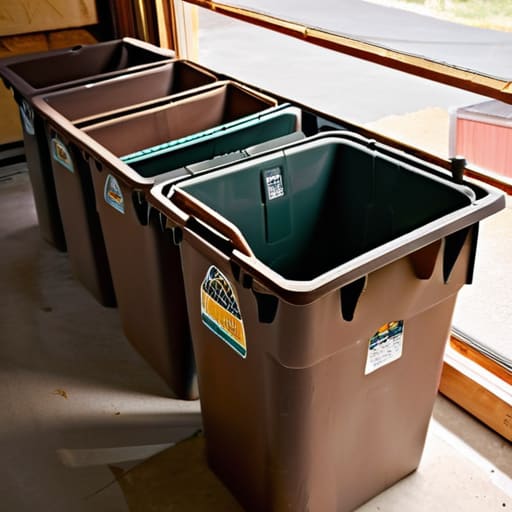
Before you start moving heavy boxes, you need a plan. I used to think I could just dive in, but I’d usually end up staring at a mountain of junk, feeling more overwhelmed than when I started. To avoid that, I rely on a basic garage decluttering checklist that focuses on one thing: categorization. Grab a few heavy-duty bins or even just some cardboard boxes and label them: Keep, Donate, Toss, and Relocate. As you pull items off the floor, don’t let yourself get distracted by nostalgia. If you haven’t touched that rusted camping gear since 2018, it’s time to let it go.
Once the floor is clear, you can actually see the potential of the room. This is where we stop thinking about floor space and start thinking about height. I’m a huge advocate for vertical storage solutions because they are the quickest way to stop the “pile-up” effect. Instead of stacking bins on top of each other—which is a recipe for a collapse—look toward your walls. Installing some simple pegboards or heavy-duty racks allows you to clear the ground entirely, making the space feel twice as large and significantly more functional for your daily tasks.
Foundations First Sorting What Truly Serves Your Life
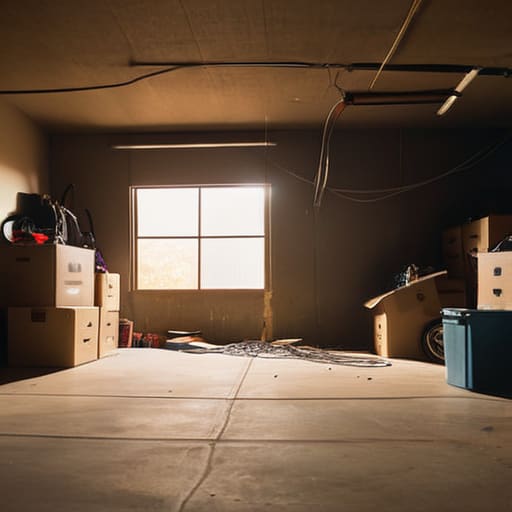
Once you’ve gone through that initial checklist, you’ll likely be standing in the middle of a mountain of “stuff,” feeling a bit overwhelmed. This is where most people quit, but I want you to pause. Before you even think about buying fancy garage shelving systems or heavy-duty bins, you need to categorize your items based on their actual utility. I like to use a simple rule: if I haven’t touched it in two years and it doesn’t have a specific, upcoming purpose, it’s just taking up mental real estate. We aren’t just moving piles around; we are deciding what actually earns a spot in your home.
As you sort, start thinking about the geometry of your space. Instead of letting everything pile up on the floor—which makes the whole room feel cramped and chaotic—start eyeing your walls. I’ve found that implementing vertical storage solutions early in the process changes your entire perspective. When you move the frequently used items up and off the ground, you suddenly realize you have much more breathing room than you thought. It’s about building a foundation where every object has a logical, accessible home, rather than just a temporary landing pad.
Five Small Systems to Keep the Chaos at Bay
- Stop using the floor as a storage unit. I learned the hard way that if something is sitting on the concrete, it’s just in the way. Get some heavy-duty wall tracks or even just a few sturdy floating shelves. If you lift your gear off the ground, the whole room instantly feels less suffocating.
- Group your stuff by “activity zones.” Don’t just throw tools anywhere; keep the gardening gear in one corner and the car maintenance supplies in another. When everything has a logical home based on how you actually use it, you stop hunting for that one specific screwdriver every Saturday morning.
- Invest in clear, labeled bins rather than opaque cardboard boxes. There is nothing more frustrating than staring at a stack of brown boxes, wondering if your holiday lights are in the third one or the fifth. Being able to see exactly what’s inside saves you a massive amount of mental energy.
- Create a “one-in, one-out” rule for your hobby gear. Since I spend my weekends restoring furniture, I know how quickly specialized tools can pile up. If you buy a new orbital sander, try to find something old or unused to donate or sell. It keeps the inventory from creeping back into chaos.
- Set up a dedicated “landing strip” near the door. A small shelf or a few heavy-duty hooks for your keys, gloves, or even that half-finished project you’re working on can prevent the “garage drift” where items slowly migrate from the driveway into the middle of the floor.
Small Wins, Big Space
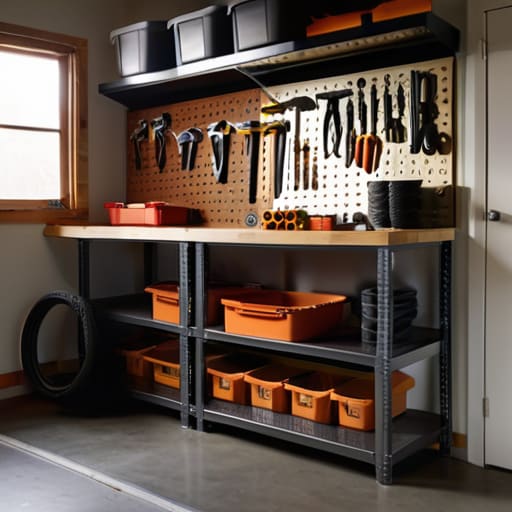
At the end of the day, organizing your garage isn’t about achieving some Pinterest-perfect aesthetic or having a pristine showroom for your car. It’s about the systems we’ve discussed—the sorting, the decluttering, and the intentional placement of tools where they actually belong. By moving away from the chaos and toward a functional layout, you’re doing more than just clearing floor space; you’re removing a massive source of visual noise from your life. Remember, the goal was never to do everything in one weekend, but to build a foundation that works for your specific needs and your specific schedule.
If you feel overwhelmed, just grab your notebook, pick one corner, and start there. I’ve learned through years of managing operations and even my own home projects that momentum is more important than perfection. Don’t let the scale of the task stop you from taking that first step. Once you reclaim even a small portion of that space, you’ll feel the mental shift almost immediately. You aren’t just organizing a room; you are reclaiming your headspace, one shelf at a time. Now, go get started.
Frequently Asked Questions
How do I decide whether to keep or toss those old tools I haven't touched in years?
I used to hold onto everything, thinking I might need it “someday.” But “someday” is a trap that just eats up your square footage. Here is my rule of thumb: If you haven’t touched it in two years, and it isn’t a high-quality heirloom or a specialized tool for a hobby you actually practice, let it go. If it’s rusted or broken, don’t sentimentalize it. Sell the good stuff, donate the rest, and reclaim your space.
I have a really small garage; are there specific vertical storage hacks that actually work for tight spaces?
When space is tight, the floor is your enemy. I’ve learned that if it isn’t hanging or mounted, it’s just in the way. Start with heavy-duty wall tracks; they let you swap hooks and bins as your needs change. For the smaller stuff, I swear by magnetic strips for tools and pegboards for anything else. If you have a ceiling, get some overhead racks for those seasonal bins. Just get it off the ground.
How often should I be revisiting these systems so the clutter doesn't just creep back in?
Think of it like maintaining a piece of mid-century furniture; if you ignore the scratches, they eventually ruin the finish. I don’t recommend a massive, exhausting overhaul. Instead, aim for a “ten-minute sweep” every Sunday evening to reset your zones. Then, do a deeper seasonal audit—maybe once every three months—to see if your tools or supplies have outgrown their spots. It’s about small, rhythmic check-ins, not a yearly battle against chaos.
What’s the most cost-effective way to start organizing without spending a fortune on expensive shelving units?
Honestly, the biggest mistake I see is buying expensive shelving before you actually know what you’re storing. Don’t do that. Start with what you already have: sturdy cardboard bins or even old plastic crates. If you need vertical space, look for used heavy-duty shelving on Facebook Marketplace rather than buying new. My rule is simple: use your budget for storage that fits your specific items, not for a “system” that looks good in a catalog.