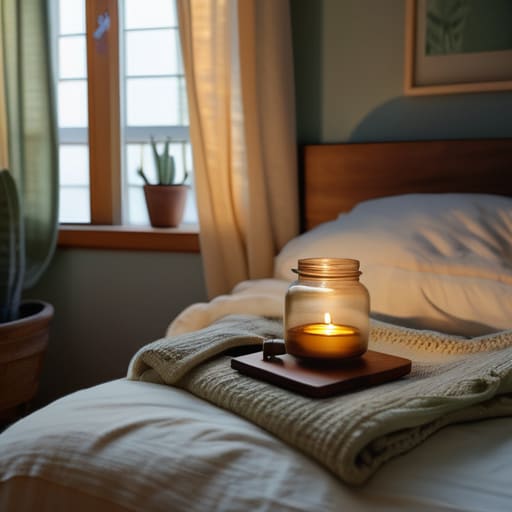

I used to think that if I didn’t buy a $300 weighted blanket or follow a twelve-step meditation guide, I was doing it wrong. I’d sit there at 11:00 PM, staring at a screen, feeling guilty because my “wellness ritual” felt more like a second job. The truth is, most of the advice you see online about how to create a wind down routine is just expensive noise designed to sell you products you don’t actually need. You don’t need a curated lifestyle; you just need a way to signal to your brain that the workday is officially over.
I’m not here to sell you a lifestyle overhaul or a complicated checklist that will fall apart by Tuesday. Instead, I want to share the small, repeatable systems I’ve used to quiet my own mind after a long day of managing operations. I’ll show you how to build a foundation that actually works within the constraints of a real, busy life. We aren’t chasing some aesthetic version of peace; we are simply building better habits to reclaim your mental space.
Table of Contents
Reducing Evening Cortisol Without the Chaos

The problem with most advice on this topic is that it treats your brain like a light switch—as if you can just flip it from “high-speed corporate mode” to “deep sleep” in a single second. In reality, your biology needs a buffer zone. If you’re spending your final hour of the day scrolling through news feeds or answering “one last email,” you are essentially keeping your nervous system in a state of high alert. By reducing evening cortisol through intentional, low-stimulation habits, you give your body the signal that the workday is officially over and the “threats” of the inbox are gone.
I’ve found that the most effective way to do this isn’t by adding more tasks to your to-do list, but by subtracting distractions. Instead of a complex regimen, I focus on a simple digital detox before sleep. This might mean plugging my phone in across the room thirty minutes before I hit the sheets, or finally picking up that book I’ve been meaning to finish. It’s about creating a sensory boundary. When you swap blue light for dim, warm lamps and loud notifications for quiet, analog movements, you aren’t just killing time—you are preparing your body for sleep in a way that feels natural rather than forced.
Small Steps Toward Better Sleep Hygiene Practices

When we talk about sleep hygiene practices, it’s easy to get overwhelmed by the idea of a ten-step skincare regimen or a perfectly temperature-controlled bedroom. But for me, it’s really about lowering the friction between your busy day and a quiet night. I’ve found that the most effective way to start is by focusing on your environment. Dimming the lights an hour before bed or clearing the clutter off your nightstand does more for your brain than any expensive gadget. It signals to your nervous system that the “work” part of the day is officially over.
I also highly recommend a bit of a digital detox before sleep. I used to scroll through news feeds until my eyes burned, thinking it helped me decompress, but it actually did the opposite. Now, I swap the phone for my pocket notebook. If a thought pops up—a task for tomorrow or a random idea—I write it down. This simple act of externalizing my mental load prevents those intrusive “what-if” thoughts from keeping me awake. You don’t need a complete lifestyle overhaul; you just need a few small, calming evening activities that help you transition from doing to being.
Five Small Shifts to Reclaim Your Evening
- The “Digital Sunset.” I realized a while ago that scrolling through news or emails right before bed was keeping my brain in high gear. Now, I set a hard cutoff time for screens. If I need to wind down, I reach for my pocket notebook or a physical book instead of a glowing rectangle.
- The Brain Dump. Most of my restless nights used to come from a mental loop of “don’t forget to do X tomorrow.” I started keeping a notepad by my bed. If a task pops up, I write it down immediately. Once it’s on paper, my brain finally feels it has permission to let go.
- Prep for “Future You.” This is a small act of kindness for the person you’ll be tomorrow morning. Whether it’s laying out your clothes or setting the coffee timer, doing these tiny tasks in the evening removes the decision fatigue that usually hits you the moment you wake up.
- Low-Light Transition. We often forget how much harsh overhead lighting signals to our bodies that it’s time to be productive. I switched to using small lamps with warm bulbs in the evening. It creates a physical cue that the workday is officially over and the “quiet time” has begun.
- A Single Sensory Anchor. You don’t need a twenty-step meditation session. For me, it’s just the ritual of making a cup of herbal tea or a specific scent. It’s a repeatable, low-effort signal to my nervous system that we are transitioning from “doing” mode to “being” mode.
Building Your Foundation
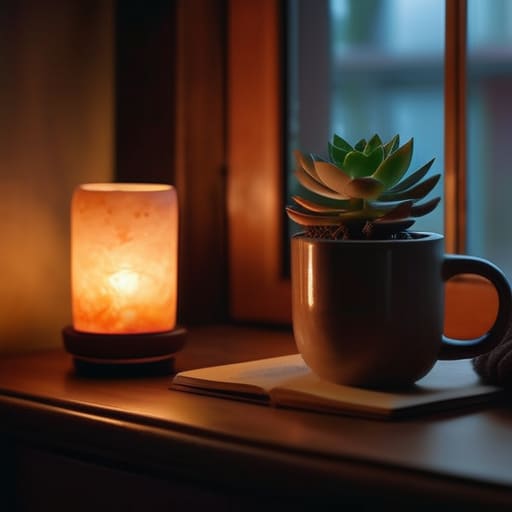
At the end of the day, a wind-down routine isn’t about adding another chore to your to-do list; it’s about creating a buffer between the noise of the world and your own peace of mind. We’ve talked about lowering your cortisol by stepping away from the screens, implementing small hygiene shifts, and stripping away the unnecessary chaos that keeps your brain spinning. You don’t need a dozen expensive gadgets or a rigid, hour-long schedule to make this work. Just focus on one or two repeatable actions that signal to your body that the workday is officially over. Whether it’s tidying your desk or finally putting that phone in another room, the goal is consistency over complexity.
I’ve spent a lot of time trying to optimize every minute of my life, but I’ve learned that the most productive thing you can do is learn how to truly rest. Don’t beat yourself up if you miss a night or fall back into old habits; life happens, and perfection is a moving target we shouldn’t be chasing. Instead, just aim to build a better foundation than you had yesterday. If you can reclaim even twenty minutes of quiet for yourself tonight, you’ve already won the battle against the burnout. Take it slow, keep it simple, and let your evening be yours again.
Frequently Asked Questions
What should I do if my job makes it impossible to have a consistent wind-down time every night?
Look, I get it. My old gig-economy days were a mess of unpredictable shifts, so I know the “consistent 9 PM routine” isn’t always realistic. If your schedule is a moving target, stop trying to anchor your routine to a specific time. Instead, anchor it to a specific sequence of actions. Whether you finish at 6 PM or midnight, give yourself the same three-step “shutdown signal”—maybe a quick notebook entry and some dim lighting. Focus on the ritual, not the clock.
How do I stop my brain from racing about tomorrow's to-do list the moment I hit the pillow?
That’s the one that keeps me up most nights. When my brain starts looping through tomorrow’s chaos, I reach for my pocket notebook. I’ve learned that if I don’t externalize those thoughts, my mind feels obligated to keep them “active” so I don’t forget. Just grab a pen, do a quick brain dump of everything swirling around, and tell yourself: It’s on paper now; I don’t have to carry it anymore.
Is it worth it to spend money on "sleep hygiene" products, or can I do this with things I already own?
Look, I’ve seen enough “sleep optimization” gadgets to know that most of them are just expensive ways to solve problems you don’t actually have. Save your money. You don’t need a $200 weighted blanket or a smart pillow to fix your sleep. Most of the heavy lifting comes from your environment and your habits. Use the blackout curtains you already have, dim the lights, and put your phone in another room. Systems beat stuff every time.
How long does it actually take for these small habits to start feeling like a natural part of my evening?
I used to think I needed twenty-one days to make a habit stick, but that feels a bit arbitrary. In my experience, it’s less about a magic number and more about the “friction point.” Usually, around the two-week mark, you stop negotiating with yourself. You don’t wake up one day and suddenly feel different; you just realize you’ve stopped thinking about whether or not you’re going to do it. It just becomes part of the evening’s rhythm.