

I remember sitting at my kitchen table three years ago, surrounded by half-finished coffee mugs and a mounting pile of laundry, feeling like my living room had been colonized by my job. I was staring at a screen, paralyzed by a dozen different “productivity hacks” I’d read online, yet I couldn’t seem to get a single meaningful task done. Most of the advice out there regarding remote work tips feels like it was written for someone living in a minimalist showroom, not a real person trying to balance a career with the actual chaos of a home. They tell you to buy a $1,000 ergonomic chair or download five different task-management apps, but they never mention how to actually stop feeling like you’re living at the office.
I’m not here to sell you on a lifestyle overhaul or a suite of expensive software. Instead, I want to share the small, repeatable systems I’ve built to protect my focus and my sanity. We’re going to skip the fluff and focus on practical boundaries and simple habits that actually work when life gets messy. My goal is to help you build a foundation that lets you do great work without sacrificing your mental headspace.
Table of Contents
Simple Home Office Setup Ideas for Mental Space

When I first started working from home, my “office” was just a corner of my dining table. By 3:00 PM, my brain felt like a browser with fifty tabs open, and I couldn’t tell where my professional responsibilities ended and my personal life began. One of the most effective home office setup ideas I’ve implemented isn’t about buying an expensive standing desk; it’s about creating a visual boundary. If you don’t have a separate room, even a small physical cue—like a specific desk lamp that stays off when you’re “off the clock”—can signal to your brain that the workday is officially over.
I’ve found that clutter is the silent killer of focus. My current setup is strictly minimalist; I keep only my laptop, my notebook, and my fountain pen on the surface. This isn’t just about aesthetics; it’s a deliberate strategy for avoiding burnout while working remotely. When your physical space is cluttered, your mental space follows suit. By keeping your immediate environment intentional and stripped of distractions, you create a sanctuary that invites deep work rather than constant, low-level anxiety. Keep it simple, keep it clean, and let your environment do the heavy lifting for your concentration.
Remote Work Productivity Hacks That Actually Stick
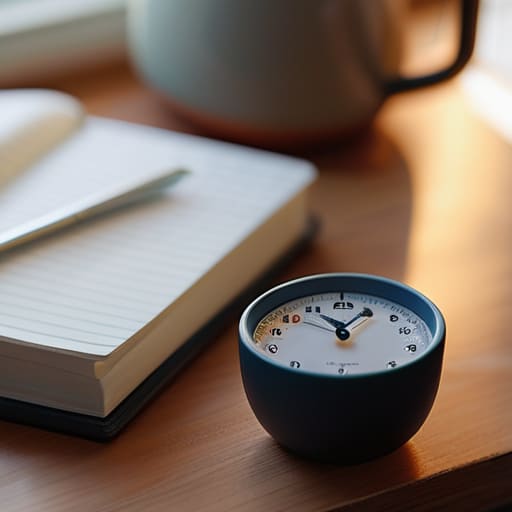
The problem with most productivity advice is that it assumes you have infinite willpower. In reality, willpower is a finite resource that drains every time you have to decide what to do next. To make these habits stick, I’ve moved away from massive to-do lists and toward time-blocking small, manageable chunks of work. Instead of saying “I’ll work on the quarterly report today,” I tell myself, “I am going to spend forty-five minutes on the data analysis, and then I’m walking away.” This prevents that heavy, looming feeling of a task that never ends, which is one of the quickest ways to trigger avoiding burnout while working remotely.
Another thing that changed the game for me was implementing a “shutdown ritual.” When you work where you live, the lines between your professional and personal life don’t just blur—they disappear entirely. Every evening, I take five minutes to clear my physical desk and write down my top three priorities for tomorrow in my notebook. This simple act serves as a mental signal that the workday is over. It’s a small piece of work-life balance for remote employees that doesn’t require a lifestyle overhaul, but it does ensure that when I’m sitting on my couch later, I’m actually present rather than mentally auditing my inbox.
Five Small Systems to Protect Your Time and Sanity
- Establish a “commute” ritual to signal the brain that work has started. It doesn’t have to be a drive; it could be a ten-minute walk around the block or simply making a fresh cup of coffee before you open your laptop. This physical transition helps prevent your professional life from bleeding into your personal morning.
- Use a “shutdown ritual” at the end of the day. I find that physically closing my laptop and writing down my top three priorities for tomorrow in my pocket notebook helps me mentally offload the day’s stress. Once that notebook is closed, the workday is officially over.
- Schedule your deep work around your natural energy peaks. If you’re most alert at 8:00 AM, don’t waste that mental clarity on clearing out a cluttered inbox. Save the administrative “noise” for those mid-afternoon slumps when your focus naturally dips.
- Create a digital boundary by turning off non-essential notifications on your phone. If you’re constantly interrupted by pings from Slack or email while you’re trying to eat lunch or relax, you’re never truly “off.” Set specific windows for checking communications rather than reacting to every buzz.
- Practice the “one-task rule” when you feel overwhelmed. When the to-do list starts looking like a mountain, stop trying to multitask. Pick the single most important thing in front of you, set a timer for 25 minutes, and commit to nothing else until that timer goes off.
Finding Your Rhythm
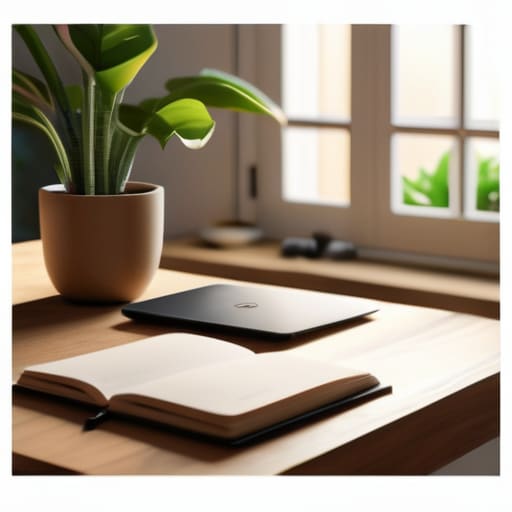
At the end of the day, managing a remote career isn’t about finding some magic app or buying the most expensive ergonomic chair on the market. It’s about the small, intentional choices you make every morning—like carving out a dedicated workspace that signals to your brain it’s time to focus, or implementing those tiny productivity rituals that keep you from drifting into a midday slump. We’ve looked at how a clean environment and a few disciplined habits can drastically reduce the mental clutter that usually follows us from our desks to our living rooms. Remember, the goal isn’t to be a machine; it’s to build a system that works for you, rather than one you are constantly fighting against.
If you feel overwhelmed right now, please don’t feel like you have to overhaul your entire routine by Monday morning. I’ve spent years learning that the most sustainable changes are the ones that feel almost too small to matter. Pick just one thing we talked about today—maybe it’s just clearing your desk before you log off or setting a firm boundary for your lunch break—and start there. We aren’t aiming for a perfectly optimized life; we are just trying to build better foundations one day at a time. You’ve got this, and I’ll see you in the next one.
Frequently Asked Questions
How do I stop my work life from bleeding into my personal time when my office is just a few feet from my bed?
The hardest part isn’t the work; it’s the mental residue that lingers when you close your laptop. If your desk is staring you down from across the room, you need a physical “shutdown ritual.” I started using a small linen cloth to cover my monitor at 6:00 PM. It sounds trivial, but out of sight truly means out of mind. It signals to my brain that the shift is over.
What are some low-cost ways to improve my ergonomics if I can't afford a high-end office chair right now?
Look, I get it. A high-end ergonomic chair can cost more than a month’s rent, and that’s just not realistic for most of us. Instead of stressing over the price tag, focus on what you can adjust right now. Grab a firm pillow or a rolled-up towel for lumbar support, and use a couple of sturdy books to raise your monitor to eye level. It’s about small, functional tweaks to save your back.
How do I stay socially connected and avoid the isolation that comes with working from home all day?
The isolation of remote work is real, and it can sneak up on you when your only “coworker” is your laptop. I’ve found that the key is intentionality. Don’t wait for social energy to strike; schedule it. Try “body doubling” via a video call with a friend just to work in silence together, or make a non-negotiable rule to work from a coffee shop one afternoon a week. Small, consistent touchpoints prevent the drift.
How can I manage my energy levels throughout the day to avoid that mid-afternoon slump?
The afternoon slump isn’t a lack of willpower; it’s usually a physiological debt. I’ve found that instead of fighting the fog with more caffeine, I lean into it. I use a “low-energy task list” for those 3:00 PM hours—things like filing expenses or organizing my digital folders. Save the deep, heavy lifting for when your focus is peaked. It’s about working with your biology, not against it.