

I remember standing in my hallway last October, staring at a water stain on the ceiling that definitely wasn’t there in August, feeling that familiar, heavy knot of dread in my stomach. I had spent the last three years working so hard to stabilize my life, yet here I was, feeling completely blindsided by a house that seemed to be actively conspiring against my peace of mind. We often treat seasonal home maintenance like this looming, monstrous project that requires a massive budget and a weekend of pure exhaustion, but that’s exactly how we end up avoiding it altogether.
I’m not here to sell you on expensive, high-tech gadgetry or complex, multi-page checklists that you’ll inevitably abandon by Tuesday. Instead, I want to share the small, repeatable systems I’ve developed to keep my place running smoothly without it becoming a second full-time job. My goal is to give you a realistic, low-friction approach to seasonal home maintenance that focuses on high-impact tasks. We aren’t aiming for a showroom-perfect house; we are just building a reliable foundation so your home remains a sanctuary rather than a source of constant decision fatigue.
Table of Contents
Small Rituals for Preventative Home Care Tips
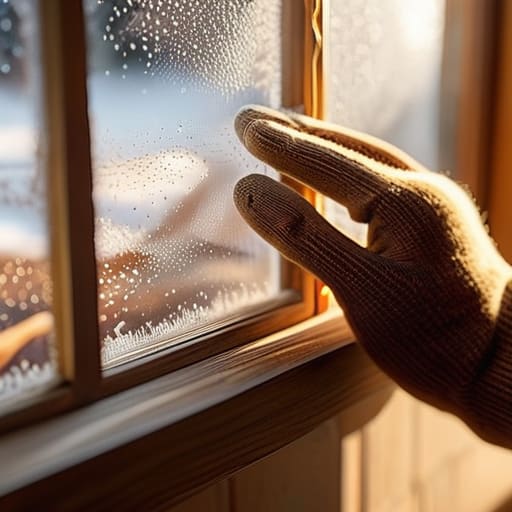
I’ve learned the hard way that if you wait for something to break before you fix it, you’re already losing. In my experience, the best way to handle preventative home care tips isn’t to schedule a massive, overwhelming weekend of labor, but to treat them like small, manageable rituals. For instance, when the temperature starts to dip, I make it a point to focus on winterizing your home by checking the seals around my windows and clearing out the gutters. It’s not about being a handyman; it’s about catching a small leak or a draft before it turns into an expensive emergency repair that eats into your budget.
I also find that a little bit of foresight goes a long way with the systems that keep our lives running. Instead of scrambling when the AC dies in July, I try to schedule a simple HVAC system seasonal service every year on the same weekend. It’s just one more thing on my calendar, but it saves me from the mental clutter of worrying about whether the furnace will hold up. By breaking these larger responsibilities into tiny, seasonal check-ins, you aren’t just maintaining a building—you’re protecting your own peace of mind.
Building Systems to Protect Your Home From Weather Damage
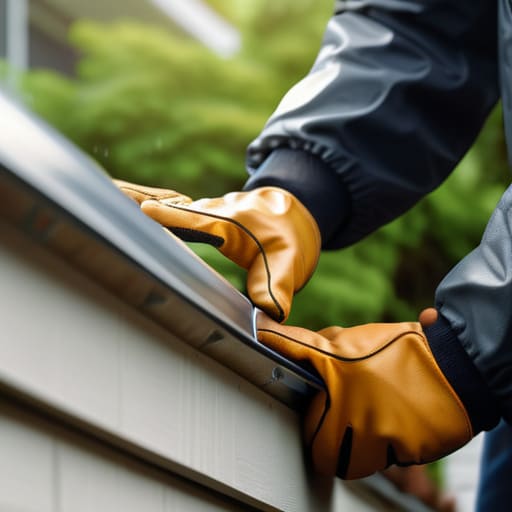
When I think about protecting my home from weather damage, I don’t think about a massive construction project. I think about the envelope—the skin of the house that keeps the elements at bay. I’ve learned that the most expensive repairs almost always stem from things we ignored, like a small crack in a window seal or a gutter that’s slightly more clogged than it should be. Instead of waiting for a storm to reveal a problem, I treat my exterior home maintenance tasks like a routine check-up. It’s about catching the small leaks before they turn into structural headaches.
One of the most effective ways I manage this is by breaking it down into specific weather-based transitions. For instance, when the temperature starts to dip, I focus on winterizing your home by checking the insulation around pipes and ensuring my outdoor faucets are actually shut off. It’s a simple, ten-minute task that saves a lot of stress later. Similarly, as the thaw begins, I run through a quick spring home inspection checklist to look for any new signs of wear or moisture. It’s not about being obsessive; it’s just about building a system that keeps the chaos of the weather outside where it belongs.
My Low-Stress Checklist for Keeping Things Running
- Check your gutters once a season. It sounds tedious, but spending twenty minutes clearing out debris prevents much more expensive water damage and foundation issues down the road.
- Swap out your air filters. It’s a tiny task, but a clean filter keeps your HVAC system efficient and saves you from those unexpected, high-cost repair bills during a heatwave or cold snap.
- Do a quick walk-around of your exterior. Look for any cracks in the siding or gaps around windows; catching a small entry point for pests or drafts now is much easier than fixing a structural problem later.
- Test your smoke and carbon monoxide detectors. I keep a reminder in my pocket notebook to do this every time the clocks change. It’s a five-minute safety check that provides real peace of mind.
- Inspect your seals and caulking. Whether it’s around the bathtub or the kitchen backsplash, making sure everything is watertight prevents moisture from creeping into your walls and causing hidden rot.
Finding Your Rhythm
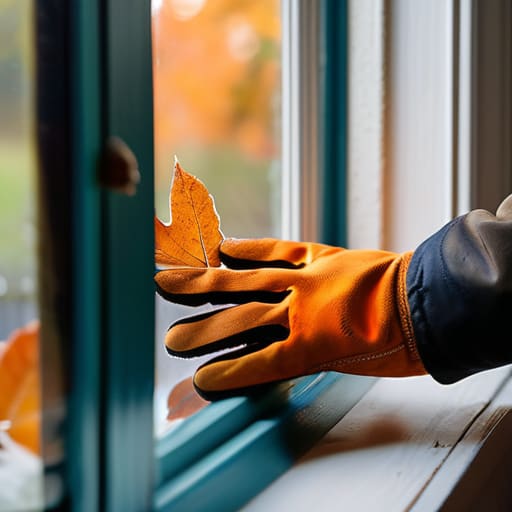
At the end of the day, seasonal maintenance isn’t about checking off an endless, intimidating list of chores. It’s about the small, manageable systems we talked about—tending to the gutters before the heavy rains hit, checking the seals on your windows, or simply doing a quick walkthrough of your exterior when the temperature drops. When you break these tasks down into bite-sized rituals, they stop feeling like massive weekend-ruining projects and start feeling like a natural part of your routine. By focusing on these preventative habits, you’re essentially buying yourself future time and, more importantly, preventing those high-stress, high-cost emergencies that tend to pop up at the worst possible moments.
I know how easy it is to feel overwhelmed by the sheer amount of “stuff” we have to manage as adults. We often feel like we have to do everything perfectly or not at all, but I’ve learned that a little bit of consistency goes a long way. You don’t need to become a master handyman to protect your space; you just need to show up for your home in small, intentional ways. Think of this as building a foundation rather than chasing a flawless house. Once you establish these rhythms, you’ll find that you aren’t just maintaining a building—you are protecting your peace of mind and reclaiming the mental space you need to actually enjoy living in it.
Frequently Asked Questions
How much time should I actually set aside each season so this doesn't take over my entire weekend?
Look, I’ve been there—spending an entire Saturday sweating over a gutter instead of actually enjoying the season. My rule of thumb is the “Two-Hour Block.” Don’t try to do everything at once. Instead, carve out two hours on a Saturday morning once every few months. If a task takes longer than that, break it into two separate sessions. It’s about consistent, bite-sized maintenance, not a massive, weekend-killing overhaul.
I live in an apartment rather than a house; are there any similar systems I can use to manage my space?
Absolutely. Living in an apartment doesn’t mean you’re exempt from maintenance; it just means your “systems” shift from the exterior to the interior. I focus on the things I actually control: checking my HVAC filters, clearing the drains before they clog, and inspecting my seals to prevent leaks. It’s less about yard work and more about managing the systems that keep your immediate environment functional and your security deposit intact.
What are the absolute "non-negotiable" tasks if I only have thirty minutes to spare?
If you’re staring at the clock and only have thirty minutes, forget the deep cleaning. Focus on the “preventative essentials” that stop small issues from becoming expensive headaches. Spend ten minutes clearing debris from your gutters or drainage areas to prevent water damage, ten minutes checking your HVAC filters to keep things efficient, and the final ten checking for any obvious leaks under sinks or around windows. It’s about stopping the rot before it starts.
How do I keep track of these tasks without adding more mental clutter to my already busy schedule?
The last thing you need is another complex app or a sprawling spreadsheet. I’ve found that the best system is the one you actually use. For me, it’s my pocket notebook. I jot down a simple seasonal list once, then stick it on the fridge or a dedicated page in my planner. If you prefer digital, a single recurring reminder in your calendar is enough. Keep it low-tech, keep it visible, and keep it simple.