
I remember sitting on my living room floor last month, surrounded by half-finished sanding projects and a layer of dust so thick it felt like a physical weight on my chest. I looked at this massive, thirty-page “ultimate guide” I’d downloaded online, and honestly? I felt more overwhelmed than when I started. Most of these guides treat a deep cleaning checklist like a military operation, demanding hours of your life and a cabinet full of expensive, specialized chemicals that you’ll probably only use once. It’s exhausting, and frankly, it’s unnecessary.
I’m not here to sell you on a lifestyle of constant scrubbing or to convince you that you need a professional-grade kit to feel at peace in your own home. Instead, I want to share the stripped-back, functional system I use to reset my space without losing my entire weekend. This isn’t about achieving some sterile, showroom perfection; it’s about a repeatable routine that clears the physical clutter so you can finally clear your head. We’re going to build a foundation that works for you, not against you.
Table of Contents
Gathering Your Spring Cleaning Essentials
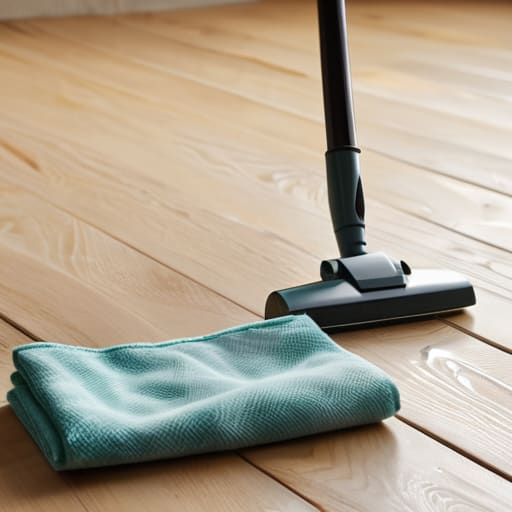
Before you dive into the actual scrubbing, you need to get your tools in order. There is nothing that kills my momentum faster than being halfway through a task only to realize I’m out of microfiber cloths or that my vacuum filter is completely clogged. I like to treat this part like a pre-flight checklist. Instead of running back and forth to the store, I spend a few minutes putting together a solid deep cleaning supplies list so I can stay in the zone once I start.
I don’t believe in buying a hundred specialized chemicals that promise miracles but mostly just take up space in the cabinet. My approach is minimalist: a high-quality all-purpose cleaner, some white vinegar, baking soda, and a handful of decent microfibers. If you’re tackling tougher areas, having a dedicated bathroom sanitation checklist of supplies—like a stiff brush and a non-toxic disinfectant—will save you a lot of frustration later.
I also always grab my physical notebook and a pen. I find that jotting down which supplies I’ve run low on while I’m working helps me stay ahead of the curve. It’s a small habit, but it prevents that feeling of chaos that usually follows a big project. Once your kit is ready, you’re actually prepared to work, rather than just reacting to the mess.
A Simple Deep Cleaning Supplies List
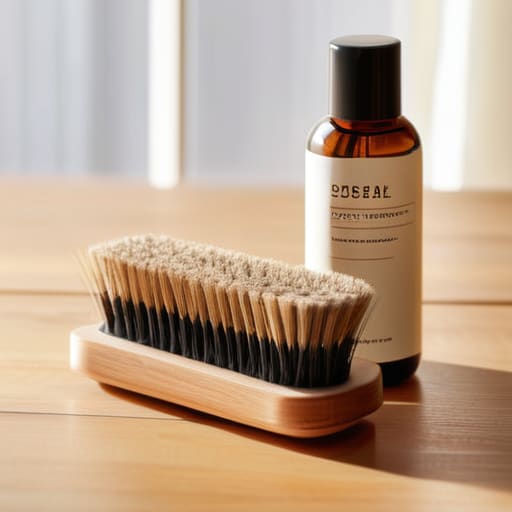
I’ve learned through years of managing operations—and my own chaotic apartment transitions—that you can’t build a system if you’re constantly running to the store mid-task. To keep things efficient, I treat my deep cleaning supplies list like a toolkit for a project. You don’t need a cabinet full of specialized, expensive chemicals that all smell like a laboratory. In fact, I prefer a minimalist approach. A high-quality microfiber cloth, an all-purpose cleaner, a degreaser for the kitchen, and a decent scrub brush are usually enough to get the job done without the decision fatigue.
When I’m prepping for a big reset, I like to group my tools by function. For example, if you are following a room by room cleaning guide, you’ll want a dedicated bucket for bathroom sanitation to avoid cross-contamination. I always keep a small kit of essentials—like a glass cleaner and a handheld vacuum—ready to go so I don’t lose momentum. The goal isn’t to own every gadget on the market; it’s to have exactly what you need to clear the friction between you and a clean space. Having these basics staged and ready allows you to focus on the work, rather than the hunt for a missing sponge.
5 Ways to Tackle the Mess Without Losing Your Mind
- Work from the top down. It sounds obvious, but I used to start with the floors and then dust the ceiling fans, only to watch all that debris fall right back onto my clean tiles. Start with the high shelves and light fixtures; let the dust settle downward so you only have to clean your floors once at the very end.
- Don’t aim for a “marathon” session. One of the biggest mistakes I made early on was trying to deep clean the entire house in a single Saturday. You’ll burn out by noon and end up feeling defeated. Instead, pick one zone—like the kitchen or the bathroom—and master it. Small wins build better momentum than massive, exhausting failures.
- Use the “Set and Forget” method. If you’re dealing with a stubborn showerhead or a greasy stovetop, don’t spend twenty minutes scrubbing with brute force. Spray your cleaner, walk away, and go grab a coffee or work on a piece of furniture. Let the chemistry do the heavy lifting for you; it saves your joints and your patience.
- Follow the “One In, One Out” rule while you clean. As you go through your cabinets and closets, don’t just clean around the clutter—eliminate it. If you find something you haven’t used in a year, it shouldn’t be part of your “clean” home. Clearing the physical volume makes the actual cleaning much faster.
- Keep a “Reset List” in your pocket notebook. While you’re deep cleaning, you’ll inevitably notice other small things that need attention, like a loose cabinet handle or a flickering bulb. Don’t stop your cleaning flow to fix them. Just jot them down in your notebook and deal with them once the heavy cleaning is done.
The Finish Line is Just the Beginning
Once you’ve gathered your supplies and worked through your checklist, the hardest part is actually over. You’ve moved from that overwhelming feeling of “where do I even start?” to having a tangible, step-by-step system in place. Remember, the goal here wasn’t to turn your home into a sterile showroom, but to systematically remove the friction that clutter and dust create in your daily life. By breaking the deep clean down into these manageable segments, you’ve effectively managed your energy rather than just your time. Now, take a moment to look around and actually notice the difference in how your space feels.
I know there are days when the sheer volume of “stuff” in our lives feels like it’s winning, but don’t let one messy corner discourage you. Deep cleaning isn’t a one-time event or a grand performance; it’s simply a way to reset your foundation so you can breathe easier. As I often tell myself when I’m working on a particularly stubborn piece of mid-century furniture, the real beauty comes from the prep work that no one sees. Don’t aim for a perfect house—aim for a functional sanctuary that supports the life you actually want to live. You’ve got this.
Frequently Asked Questions
How do I tackle a deep clean without feeling completely overwhelmed by the sheer scale of it?
The secret is to stop looking at the whole house at once. When I’m restoring a piece of furniture, I don’t think about the finished product; I just focus on the one sanding block in my hand. Do the same here. Pick one zone—just one—and commit to twenty minutes. If you try to swallow the whole project in one bite, you’ll choke. Break it down, set a timer, and just start small.
Is it better to clean one room at a time or focus on one specific task across the whole house?
I’ve wrestled with this many times, usually while staring at a pile of dust and feeling paralyzed. If you’re feeling overwhelmed, go room by room. It gives you a tangible sense of victory when you can actually see a space transformed. However, if you have the momentum, task-switching—like dusting every surface in the house at once—is more efficient. Personally? I prefer the room-by-room approach. It keeps the decision fatigue low and the progress visible.
What are some effective ways to clean delicate surfaces, like mid-century wood, without causing damage?
When it comes to my mid-century pieces, I’ve learned the hard way that “more” isn’t better. Avoid harsh, scented sprays; they can strip the finish. Instead, keep it simple: a soft microfiber cloth and a tiny amount of high-quality wood conditioner or even just a damp (not wet) cloth. For stubborn spots, a drop of mild dish soap works. Always test a small, hidden area first. Treat the wood with respect, and it’ll last a lifetime.
How often should I actually be doing a deep clean versus just my regular weekly maintenance?
I look at it like maintaining a piece of furniture: you wipe it down daily to keep it looking good, but every few months, you need to strip it back and refinish it. I aim for a deep clean once a quarter—every three months. That keeps the grime from becoming a permanent resident. Use your weekly routine to manage the surface clutter, but let the deep clean be your seasonal reset.