
I remember sitting at my old kitchen table three years ago, staring at a spreadsheet while my lower back throbbed with a dull, persistent ache that no amount of caffeine could fix. I had spent the morning scrolling through endless articles, looking for the “perfect” ergonomic setup, only to find myself staring at a $1,200 standing desk and a list of complex stretches that felt more like a workout than a lifestyle. Most of the advice out there regarding desk job health tips is either way too expensive or way too complicated to actually stick to when you’re in the middle of a deadline.
I’m not here to sell you a high-tech gadget or a radical lifestyle overhaul that you’ll abandon by next Tuesday. Instead, I want to share the small, repeatable systems I’ve integrated into my own workday to keep my body from feeling like a rusted-out hinge. We’re going to focus on practical, low-friction adjustments that actually work within the constraints of a busy schedule. My goal is to help you build a better foundation for your physical well-being, one simple habit at a time, without adding more clutter to your mental load.
Table of Contents
The Minimalist Ergonomic Workstation Setup
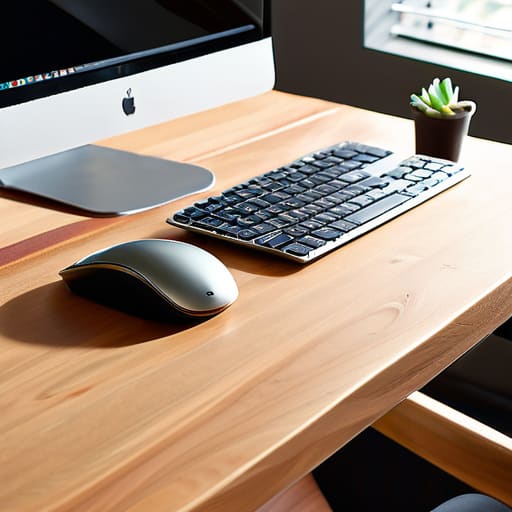
I’ve spent years learning that a “perfect” setup is often just a collection of expensive gadgets you’ll eventually stop using. Instead, I focus on a functional ergonomic workstation setup that prioritizes alignment over aesthetics. Start with your monitor; the top third of the screen should be at eye level so you aren’t constantly craning your neck downward. If you’re using a laptop, a simple riser and an external keyboard are game-changers. It’s about creating a workspace that supports your natural posture rather than forcing your body to adapt to a poorly designed desk.
Next, let’s talk about your seating. You don’t need a high-tech racing chair to see results. The goal is to ensure your feet are flat on the floor and your lower back is supported. If your chair lacks lumbar support, even a rolled-up towel can act as a makeshift cushion to help with posture correction for office workers. I also like to incorporate a bit of movement into my routine by using a small footrest or occasionally switching to a standing position. Embracing a few standing desk benefits—even if it’s just for twenty minutes a day—helps break the physical stagnation that comes with a long shift.
Small Habits for Preventing Sedentary Lifestyle Diseases

The truth is, even with a perfect ergonomic workstation setup, the human body wasn’t designed to stay frozen in one position for eight hours straight. I used to think I could power through a long afternoon by just “sitting better,” but I eventually realized that movement is more important than perfect posture. Instead of trying to overhaul your entire lifestyle, I focus on small, rhythmic interruptions. I like to use a simple timer—something low-tech like the one on my phone—to trigger a two-minute movement break every hour. It’s not about a full workout; it’s about preventing sedentary lifestyle diseases by simply reminding your muscles that they are still alive.
During these breaks, I don’t go for a run; I just do a few targeted movements. I’ve found that a couple of slow desk stretches for neck pain can do wonders for that tension that builds up right between your shoulder blades. If you’re feeling particularly sluggish, even just pacing while you’re on a call can shift your momentum. The goal isn’t to be an athlete; it’s to build an office wellness routine that feels so small it’s almost impossible to fail. These tiny, repeatable wins are what keep your energy levels from bottoming out by 3:00 PM.
Low-Effort Wins for Your Mental and Physical Clarity
- Practice the 20-20-20 rule to save your eyes. Every 20 minutes, look at something 20 feet away for at least 20 seconds. It sounds trivial, but it stops that end-of-day ocular strain that makes you feel more exhausted than you actually are.
- Use a “transition ritual” to close your laptop. When the workday ends, physically close your computer, clear your desk of any stray papers, and write down your top three tasks for tomorrow in your notebook. It signals to your brain that the “work mode” is officially offline.
- Hydrate with intention rather than just reacting to thirst. Keep a single, functional carafe or a dedicated water bottle on your desk. If it’s right there in your line of sight, you’ll drink it without having to make a conscious decision about it.
- Incorporate “micro-movements” during calls. If you’re on a meeting where you don’t need to be on camera, stand up or pace the room. Movement doesn’t have to be a gym session; it just needs to be a break from being static.
- Audit your digital noise. At the end of each week, spend five minutes unsubscribing from newsletters or notifications that don’t serve your current goals. Reducing the digital clutter is just as important for your health as reducing physical clutter.
Building Your Foundation
At the end of the day, protecting your health while working a desk job isn’t about buying the most expensive standing desk or following a rigid, hour-by-hour movement protocol. It’s about the small, intentional adjustments we discussed—tweaking your monitor height, setting a simple timer to stand up, and refusing to let your workspace become a place of physical stagnation. If you can just focus on one or two of these shifts this week, you’re already ahead of the curve. The goal isn’t to transform your entire life overnight; it’s to create a sustainable environment where your body doesn’t pay the price for your career growth.
I know how easy it is to let these things slide when a deadline starts looming or your inbox starts overflowing. We’ve all been there, hunched over a keyboard for four hours straight without even realizing it. But remember, your career is a marathon, not a sprint, and you can’t finish the race if you’re burnt out and physically depleted. Don’t aim for a perfect setup; just aim for better foundations. Take a breath, stretch your shoulders, and remember that small, repeatable systems are what actually keep us moving forward. You’ve got this.
Frequently Asked Questions
How can I make these changes if I work in a shared office or a cubicle where I don't have much control over my desk?
I get it—the “standardized” office setup can feel like a cage. When you can’t move the desk, focus on what you can control: your immediate space. Grab a small, sturdy footrest to adjust your posture, or use a laptop riser and an external keyboard to fix your eye line. Even a simple lumbar roll or a rolled-up sweater can make a massive difference. It’s about making micro-adjustments within the boundaries you’ve been given.
I struggle with staying consistent; are there any small ways to track these habits without adding more "work" to my day?
I get it—the last thing you need is a complex habit-tracking app that feels like another chore on your to-do list. I’ve found that the simplest way is to keep it analog. I use a tiny section in my pocket notebook. Just a few checkboxes at the end of the day. If you hit them, great. If not, no big deal. We’re building foundations here, not chasing a perfect streak.
If I can't afford a high-end ergonomic chair right now, what are some cheap or DIY ways to improve my posture?
Look, I get it. I spent years working from a dining chair that was basically a torture device before I could afford a decent setup. You don’t need a thousand-dollar chair to stop the slouch. Try a rolled-up towel at the small of your back for lumbar support, or use a couple of sturdy books to raise your laptop so your eyes hit the top third of the screen. It’s about small, functional adjustments.
How much of a difference do these small adjustments actually make in the long run compared to just going to the gym after work?
Look, I love a good gym session as much as anyone, but it’s not a magic eraser for eight hours of stillness. You can crush a heavy lifting session at 6:00 PM, but if you’ve been slumped in a chair since 9:00 AM, your body is still paying the price for that cumulative tension. Think of the gym as the “rebuild” and these small adjustments as the “maintenance.” Maintenance is much easier to manage than a total repair.