
I remember sitting on the floor of my first studio apartment, surrounded by half-unpacked boxes and a sense of total defeat. The air felt heavy, not because of the humidity, but because every square inch of that room was screaming at me. I had spent way too much money on those “aesthetic” clear acrylic bins you see all over social media, thinking they were the magic fix for my clutter. But as I sat there, staring at a pile of tangled chargers and mismatched coasters, I realized that most advice on small space organization is just expensive fluff designed to sell you more plastic. You don’t need a showroom; you just need to stop feeling suffocated by your own belongings.
I’m not here to teach you how to curate a museum-worthy minimalist sanctuary that looks good in a photo but is impossible to actually live in. Instead, I want to share the low-stakes, repeatable systems I’ve built over years of moving between cramped apartments and managing tight operations. We are going to focus on functional simplicity—finding ways to reclaim your surfaces and your mental clarity without breaking the bank or losing your mind. Let’s just build a foundation that actually works for your real, messy life.
Table of Contents
The Gentle Art of Decluttering Tiny Apartments

When I first moved into my studio, I made the mistake of treating my belongings like a collection to be curated rather than tools to be used. I ended up surrounded by “just in case” items that eventually felt like they were closing in on me. The trick to decluttering tiny apartments isn’t about a sudden, violent purge that leaves you feeling empty; it’s about a slow, intentional audit. I like to grab my notebook and walk through each zone, asking myself if an object actually serves a purpose or if it’s just taking up mental real estate. If you haven’t touched it in six months, it’s likely just adding noise to your environment.
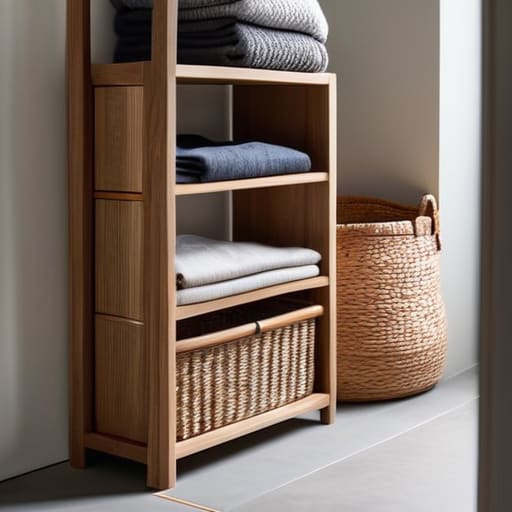
Once you’ve thinned the herd, the goal shifts from removal to placement. In a small footprint, you have to stop thinking about floor space and start looking up. This is where vertical storage solutions become your best friend. I’ve found that installing floating shelves or using tall, narrow bookcases can move the visual clutter off your eye line and onto the walls. It’s a simple way to keep your surfaces clear so you can actually enjoy a cup of coffee without feeling like you’re sitting in a storage unit. It’s not about being a minimalist extremist; it’s just about giving your things a home so they don’t live on your kitchen counter.
Low Stakes Closet Organization Systems for Daily Ease
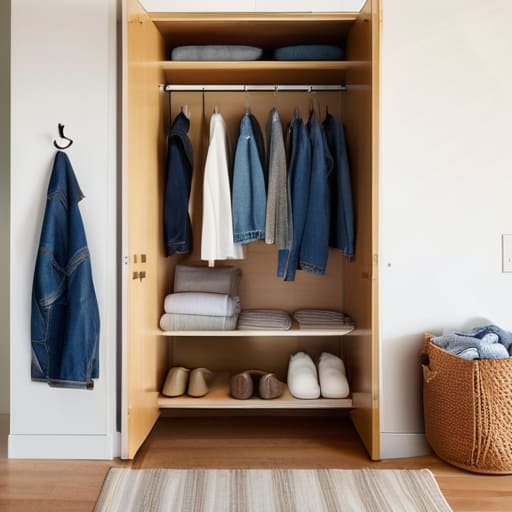
When it comes to your closet, I’ve learned that the biggest mistake we make is trying to build a showroom. If you try to curate a perfect, color-coded wardrobe on day one, you’ll likely abandon the system by Tuesday. Instead, I focus on low-friction accessibility. I like to think of my closet as a staging area for my day, not a museum. One of my favorite ways to manage this without losing my mind is by utilizing vertical storage solutions like hanging organizers or even simple wall-mounted hooks. If you can see it and reach it without a struggle, you’re much less likely to end up with that dreaded “floor pile” of clothes that seems to grow overnight.
Another thing that changed the game for me was getting intentional about what actually stays within arm’s reach. I started using a few simple closet organization systems—nothing fancy, just uniform slim hangers and a few clear bins—to categorize my essentials. If I haven’t reached for a specific sweater in six months, it doesn’t deserve prime real estate in my small space. By keeping the most important items at eye level and relegating the rest to higher shelves or even some clever under-bed storage hacks, I’ve managed to cut my morning decision fatigue in half. It’s not about having a boutique closet; it’s about making sure your clothes work for you, not against you.
Five Low-Effort Systems to Reclaim Your Square Footage
- Stop fighting your surfaces. Instead of trying to keep every inch of your kitchen counter clear, designate one “landing zone”—a small tray or a specific corner—for the mail, keys, and loose change that inevitably accumulates. It’s much easier to tidy one small tray than to feel like you’re failing every time you look at a messy counter.
- Think vertically, not just horizontally. When you run out of floor space, look up. I’ve found that adding a few simple floating shelves or even using over-the-door organizers for things like cleaning supplies or pantry items can clear up a surprising amount of visual noise without requiring a full renovation.
- Use the “One-In, One-Out” rule for your decor. In a small apartment, every new object has a physical cost to your mental clarity. If you find a new ceramic vase you love, find an old one to donate or move to storage. It keeps the volume of your belongings from slowly creeping up until you feel suffocated.
- Invest in “hidden” storage that actually looks good. I’m a big fan of using ottomans with hollow centers or bed frames with built-in drawers. It allows you to tuck away the seasonal stuff—like heavy winter sweaters or extra linens—so they aren’t taking up prime real estate in your line of sight.
- Master the art of the “Micro-Reset.” Don’t wait for a massive weekend cleaning spree that feels overwhelming. Just spend five minutes before bed putting things back in their designated homes. It’s a small, repeatable habit that prevents the clutter from reaching a breaking point, making your morning coffee feel a lot more peaceful.
Finding Your Rhythm
At the end of the day, organizing a small space isn’t about achieving some sterile, untouchable aesthetic you saw on Instagram. It’s about the practical application of what we’ve discussed: tackling the decluttering process with kindness toward yourself, setting up low-stakes closet systems that actually work with your morning routine, and ensuring every item has a dedicated “home” to prevent that dreaded surface-level chaos. We aren’t trying to build a museum; we are simply trying to create a functional environment that supports your daily life rather than draining your energy. When you implement these small, repeatable systems, you aren’t just tidying a room—you are reducing the friction of your entire existence.
I know how overwhelming it can feel when you look at a cramped corner and see nothing but a mounting to-do list. But remember, you don’t have to fix everything by Sunday night. Start with one drawer, one shelf, or even just one corner of your desk. The goal is progress, not a perfect transformation. As I often tell myself when I’m working on a stubborn piece of mid-century furniture, the beauty is in the steady, methodical work. Build your foundation one small win at a time, and eventually, you’ll realize that your home isn’t just a place where you store your things—it’s a sanctuary for your mind.
Frequently Asked Questions
How do I start decluttering when I feel completely overwhelmed by the sheer amount of stuff I have?
I get it. I’ve sat on my floor surrounded by boxes, feeling like the mess was winning. When the scale of it all feels paralyzing, stop looking at the whole room. Pick one tiny, contained area—like a single junk drawer or even just your bedside table. Set a timer for ten minutes. That’s it. Don’t aim for a total overhaul; just focus on winning that one small square foot. Momentum is more important than speed.
I don't have a budget for fancy storage bins; are there ways to organize my space using things I already own?
Honestly, don’t let the “aesthetic” organization videos fool you. You don’t need a trip to a big-box store to fix your space. I’ve found that empty shoeboxes make perfect drawer dividers for socks or cables, and even old glass jars from pasta sauce work beautifully for pens or kitchen utensils. The goal isn’t to buy a system; it’s to create boundaries for your stuff using what’s already in your recycling bin.
How can I keep my surfaces clear without feeling like I'm constantly cleaning or moving things around?
The secret isn’t more cleaning; it’s about giving every object a “home base.” I’ve found that if a surface becomes a catch-all for keys, mail, or loose change, it’s because those items don’t have a designated spot. Grab a small, attractive tray for your entryway or coffee table. When things have a specific boundary to live in, you aren’t “cleaning”—you’re just returning items to their stations. It keeps the visual noise down without the constant scrubbing.
What's the best way to organize a tiny kitchen when I actually enjoy cooking and have a lot of tools?
When you actually love to cook, a tiny kitchen can feel like a cage rather than a sanctuary. My rule is simple: prioritize “active zones.” Don’t try to hide everything in deep cabinets where things go to die. Instead, use your vertical space. Get a sturdy magnetic knife strip or a small hanging rack for your most-used pans. If it’s a tool you use every single day, it should be within arm’s reach, not buried.