

I used to think meditation was something reserved for people with nothing but time—monks on mountain tops or influencers with perfectly curated, minimalist lofts. Whenever I tried to look up “meditation for beginners,” I was met with expensive apps, complex breathing rituals, and the overwhelming idea that I had to stop thinking entirely to be successful. It felt like just another high-maintenance task added to an already cluttered to-do list, and frankly, it felt a bit fake. I didn’t need a spiritual awakening; I just needed a way to stop my brain from spinning like a malfunctioning hard drive at 11:00 PM.
Here is my promise to you: we aren’t going to chase enlightenment or buy any overpriced equipment. Instead, I want to share the low-friction systems I actually use to quiet the noise during a hectic work week. This guide is about practical, no-nonsense techniques designed to fit into the cracks of a busy life. We’re going to build a foundation of mental clarity that works in the real world, not just in a yoga studio.
Table of Contents
Low Friction Mindfulness Meditation Techniques
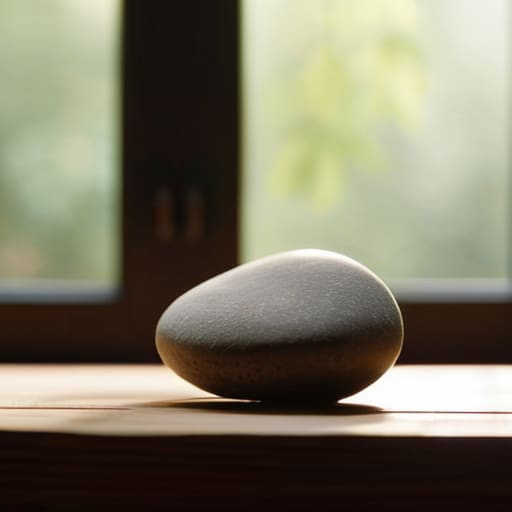
The biggest mistake I see people make is thinking they need to clear their minds of all thought—it’s an impossible standard that leads to immediate burnout. Instead, I like to start with micro-sessions that focus on a single anchor. If you’re struggling with how to focus during meditation, try the “Box Breathing” method. Inhale for four counts, hold for four, exhale for four, and hold again. It’s a mechanical, predictable rhythm that gives your brain a job to do, making it much easier to transition into a deeper state of stillness without feeling like you’re failing.
If sitting in silence feels too daunting, don’t fight it; lean into guided meditation for relaxation. There is no shame in using an app or a recording to act as your external scaffolding while you build your internal discipline. Another low-friction approach is “Sensory Grounding.” While you’re sitting there, simply name three things you can hear and two things you can feel. This is one of those practical meditation benefits for mental health that works because it pulls you out of the “what-if” loops of your career or finances and drops you right back into your body. It’s about lowering the barrier to entry so you actually show up.
Real Meditation Benefits for Mental Health

I used to think meditation was just a way to “clear my head,” which, let’s be honest, is nearly impossible when your brain feels like a browser with fifty tabs open. But as I started building this into my own routine, I realized the real value isn’t about reaching some state of zen; it’s about the physiological shift. When we talk about meditation benefits for mental health, we’re really talking about lowering the baseline of our nervous system. Instead of living in a constant state of “fight or flight” due to work emails or endless to-do lists, a consistent practice helps you build a buffer. It’s that split second of space between a stressful event and your reaction to it.
For me, the most tangible win has been using it as a tool for meditation for stress relief during high-pressure weeks at the office. It’s not a magic wand that makes problems disappear, but it changes how you carry them. By training your brain to return to a single point of focus, you’re essentially weightlifting for your attention span. You start to notice the physical signs of tension—a clenched jaw or tight shoulders—before they spiral into a full-blown headache. It’s about building a more resilient foundation so the small stuff doesn’t knock you off course.
Five Ways to Keep Your Practice From Becoming Another Chore
- Start with a timer, not a clock. Don’t look at the wall or your phone to see how much time is left. Set a physical timer for just five minutes. When it rings, you’re done. This removes the “how much longer?” anxiety that kills most beginner habits.
- Forget about “clearing your mind.” That’s a myth that leads to frustration. Your brain is designed to produce thoughts; trying to stop them is like trying to stop your heart from beating. Instead, just notice the thoughts, label them as “thinking,” and gently bring your focus back to your breath.
- Tie your practice to an existing anchor. I like to do mine right after I finish my first cup of coffee. By attaching meditation to something you already do without thinking, you bypass the need for extra willpower.
- Use your senses to ground yourself when you feel restless. If sitting still feels impossible, try a “sensory scan.” Notice the weight of your body on the chair, the temperature of the air on your skin, or the distant hum of the fridge. It’s meditation, just with a different entry point.
- Prioritize consistency over duration. I’d much rather you sit for three minutes every single day than spend forty minutes once a week. We are building a foundation here, and foundations are built through repetition, not intensity.
Finding Your Rhythm

At the end of the day, meditation isn’t about reaching some mystical state of enlightenment or clearing your mind of every single thought—that’s a common misconception that leads to a lot of unnecessary frustration. It’s really just about the small, repeatable systems we discussed: using low-friction techniques to catch yourself when you’re spiraling and recognizing the tangible mental benefits that come from even just a few minutes of stillness. Whether you’re using a guided app or simply focusing on your breath while sitting in your favorite mid-century chair, the goal is to build a foundation that supports your mental health rather than adding another chore to your to-do list.
I know how it feels when your schedule is packed and your brain feels like it has too many tabs open. It’s easy to think you don’t have the time, but I promise you, you don’t need an hour; you just need a moment. Don’t worry about doing it perfectly, because perfection is the enemy of progress. Just grab your notebook, find a quiet corner, and start where you are. You aren’t chasing a flawless mind; you are simply reclaiming your headspace, one breath at a time.
Frequently Asked Questions
I can't stop my mind from racing; is it even possible to actually "clear" my head?
Honestly? No. And that’s actually the first thing you need to accept. I used to think meditation was about reaching some pristine, empty state of mind, but that’s a recipe for frustration. It’s not about clearing the clouds; it’s about learning to sit on the porch while they pass by. When your mind races, don’t fight the thoughts. Just notice them, label them, and gently bring your focus back to your breath.
Do I really need to sit on the floor in a specific position, or can I do this anywhere?
Honestly? Not at all. I used to think I needed a dedicated cushion and a perfectly straight spine to “do it right,” but that just became another chore on my to-do list. You can meditate in a chair at your desk, on the bus, or even leaning against a wall. The goal isn’t to look like a monk; it’s just to find a moment of stillness. If you’re comfortable, you’re doing it right.
How much time do I actually need to commit each day before I start seeing real results?
Look, I get it. You want to know if this is worth the slot in your calendar. If you’re looking for a massive time commitment, you’re doing it wrong. Honestly, I started with just five minutes a day. It’s not about the duration; it’s about the consistency. If you can give me five minutes of focused breathing every single morning, you’ll start noticing that mental “fog” lifting within a week or two.
What should I do if I feel restless or bored halfway through a session?
Honestly? Don’t fight it. When that restlessness hits, I usually just acknowledge it in my notebook later—it’s just data. Instead of forcing focus, try “labeling.” If your mind is racing or you’re bored, just mentally say, “Okay, I’m feeling restless,” and let it sit there. Don’t try to fix the feeling; just observe it like a piece of furniture you’re inspecting. It takes the pressure off and keeps the momentum going.