

I remember sitting at my kitchen table last winter, staring at a utility statement that felt more like a personal insult than a bill. I had spent the previous weekend reading endless, complex forums about smart home integration and high-tech sensor arrays, convinced that I needed a massive tech overhaul just to keep my costs manageable. But as I sat there with my notebook and fountain pen, I realized the truth: most of that advice is just noise designed to sell you more gadgets. When you’re actually looking for how to save on utility bills, you don’t need a degree in electrical engineering or a thousand-dollar budget; you just need to stop the small, invisible leaks that drain your bank account every single month.
I’m not here to sell you on a lifestyle of sitting in the dark or freezing in your own living room. Instead, I want to share the small, repeatable systems I’ve built into my own home to keep things efficient without making life complicated. We’re going to skip the expensive gimmicks and focus on a few practical, low-effort shifts that actually move the needle. My goal is to help you reclaim that extra bit of breathing room in your budget by building a better foundation for your household expenses.
Table of Contents
Reducing Monthly Household Expenses Without the Stress
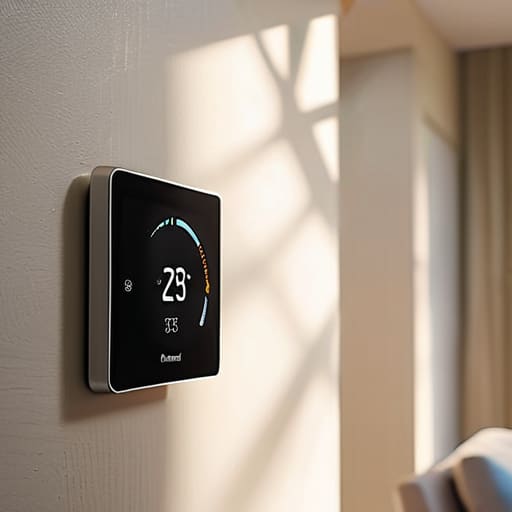
When I first started managing my own place, I used to view utility bills as these unavoidable, monolithic costs that just happened to me every month. It felt overwhelming, like I was fighting a losing battle against the grid. But I’ve learned that reducing monthly household expenses isn’t about making massive, sweeping sacrifices; it’s about finding those small, invisible leaks in your routine and plugging them. For me, it started with looking at my thermostat. Instead of fighting the temperature, I looked into the smart thermostat benefits—the ability to automate my home’s climate so I wasn’t heating an empty apartment while I was at work.
It’s also worth looking at the bigger picture of your environment. You don’t need to gut your house to see a difference, but a few strategic energy efficient home improvements, like swapping out old bulbs or adding weather stripping to drafty windows, can act as a force multiplier for your efforts. I like to treat my home like a system that needs regular tuning. If you approach these changes as small, repeatable maintenance tasks rather than a daunting “to-do” list, the process feels much less like a chore and much more like reclaiming your mental space.
Small Shifts for Lasting Water Conservation Techniques

When I first started looking at my monthly statements, I realized I was treating water like an infinite resource rather than a managed one. We often focus so much on the big stuff—like electricity or heating—that we overlook the slow drip of costs coming from our plumbing. One of the most effective water conservation techniques I’ve implemented isn’t about a massive renovation; it’s about auditing the small things. I spent a Saturday afternoon checking every faucet and toilet for silent leaks. It sounds tedious, but finding a single running toilet can save hundreds of gallons a month. It’s a small, methodical win that pays off every single billing cycle.
Another shift that made a tangible difference for me was rethinking how I handle daily chores. I stopped running the dishwasher or the laundry when they were only half full, which feels like a minor inconvenience at first, but it’s a systemic way to reduce waste. If you can, try to time your heavy usage for periods when water pressure is most stable, or install low-flow showerheads. These aren’t just about being “green”; they are practical steps toward reducing monthly household expenses without having to change your entire lifestyle. It’s about making the efficient choice the default choice.
Five Small Tweaks to Stop the Leaks
- Audit your standby power. I used to ignore the little red lights on my coffee maker and TV, but those “vampire loads” add up. Use a basic power strip for your entertainment center so you can kill the power to everything with one click when you head to bed.
- Master your thermostat by just a few degrees. You don’t need a smart home system to see a difference; just lowering your heat by two degrees in the winter or bumping the AC up slightly in the summer makes a massive dent in your monthly bill without ruining your comfort.
- Check your seals and gaskets. It sounds tedious, but a drafty window or a leaky fridge door is basically throwing money out the window. I keep a roll of weatherstripping in my utility drawer for exactly this reason—it’s a ten-minute fix that pays for itself in a month.
- Optimize your laundry routine. Running full loads and switching to cold water isn’t just better for your clothes; it’s a massive energy saver. I’ve found that most modern detergents work perfectly fine in cold water, so there’s really no reason to heat it up.
- Clean your filters regularly. Whether it’s your HVAC system or your dryer, clogged filters force your machines to work twice as hard to get the job done. Setting a recurring reminder on my phone to check them once a month keeps things running efficiently and prevents those sudden, expensive repair calls.
Finding Your Baseline

At the end of the day, saving on utilities isn’t about living in the dark or skipping showers; it’s about eliminating the invisible leaks in your daily routine. We’ve looked at how minor adjustments to your thermostat, a few simple water-saving habits, and a bit of mindfulness regarding your appliances can collectively stem the tide of rising costs. You don’t need to overhaul your entire lifestyle overnight to see a shift in your bank account. Instead, focus on these small, repeatable wins—the kind of low-friction changes that actually stick because they don’t require constant willpower.
I know how easy it is to feel overwhelmed by the sheer number of things we have to manage in a modern household. It feels like everything is getting more expensive, and the noise of those rising bills can be incredibly draining. But remember, the goal here isn’t perfection; it’s about building a more intentional foundation. By reclaiming control over these small corners of your life, you’re doing more than just saving a few dollars—you’re reducing the mental clutter that comes with financial uncertainty. Take it one habit at a time, and trust that these small shifts will eventually lead to a much more calm and stable way of living.
Frequently Asked Questions
Should I invest in smart thermostats and appliances now, or is it better to stick to manual habits first?
Honestly? Stick to the manual habits first. I’ve learned that technology is only as good as the system behind it. If you haven’t mastered the habit of turning down the heat or unplugging idle electronics, a smart thermostat will just be an expensive gadget managing your old, inefficient patterns. Build the discipline with your current setup first; once those behaviors are automatic, then invest in the tech to automate the wins.
Are there specific times of the day when running my dishwasher or laundry actually makes a dent in my bill?
It really comes down to your local utility provider’s pricing structure. Most people don’t realize they’re on a “time-of-use” plan, where electricity costs more during peak hours—usually late afternoon and early evening. If you can, I’d suggest setting your dishwasher or laundry to run late at night or early in the morning. It’s a small, mindless adjustment, but those off-peak hours are where you actually see the savings stack up.
How can I tell if my old insulation is the culprit versus just being inefficient with how I use my heating and cooling?
It’s a fair question, and honestly, one I struggled with when I first moved into my place. Here’s how I look at it: if you find yourself constantly adjusting the thermostat and the house still feels drafty or unevenly heated, it’s likely the insulation. If your bills spike only when you’re running the AC non-stop or leaving windows open, that’s user error. A quick way to check? Feel for cold spots near baseboards or use a thermal leak detector.
Is it worth the upfront cost to switch to LED lighting everywhere, or am I better off focusing on other areas?
I’ll be honest: if you’re looking for a massive, immediate windfall, switching every bulb won’t do it. But if you’re looking to stop the “slow leak,” it’s a no-brainer. I did a sweep of my place last year, and while the upfront cost felt annoying at the time, the math eventually settles itself. Don’t overthink it—just swap the bulbs in the rooms you use most. It’s one less thing to manage later.