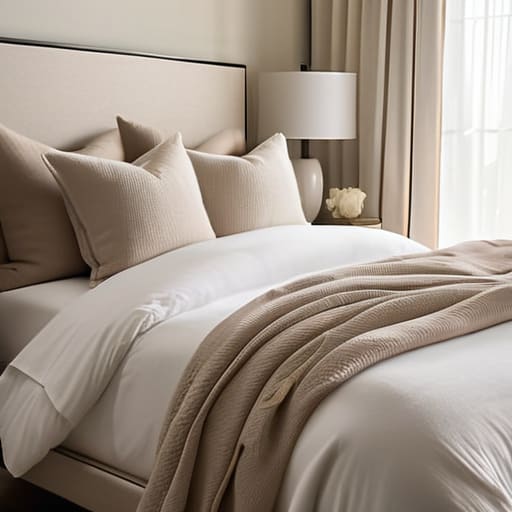

I used to think that learning how to make your bed look luxurious required a massive budget and a degree in interior design, but I was mostly just staring at those overly staged Pinterest photos that look impossible to live in. You see them everywhere: twenty-four pillows, perfectly steamed linens, and a color palette that feels more like a museum than a bedroom. Honestly, it’s exhausting. For someone like me, who values functional minimalism and wants to reduce decision fatigue rather than add to it, that kind of setup is a recipe for burnout. If you have to spend forty minutes fighting with a duvet cover every morning just to maintain the “aesthetic,” the system is broken.
I’m not here to sell you on a high-end lifestyle overhaul or a shopping spree at a boutique hotel supply store. Instead, I want to share a few repeatable systems I’ve developed to create a space that feels intentional, high-end, and—most importantly—actually breathable. We’re going to focus on texture, layering, and a few smart shortcuts that prioritize comfort over clutter. My goal is to help you build a restful foundation that looks expensive but takes less than five minutes to reset.
Table of Contents
Selecting High Thread Count Sheets for Daily Ease
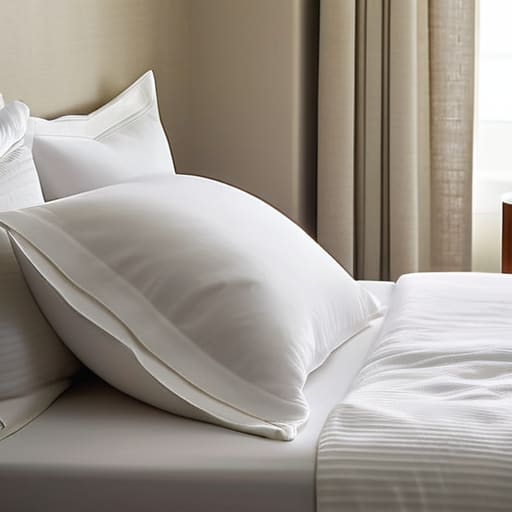
When I first started getting serious about my sleep hygiene, I fell into the classic trap of chasing the highest number possible on the packaging. I thought a thousand-thread count was the golden ticket, but I quickly learned that more isn’t always better. In fact, many of those ultra-high numbers are just marketing fluff used to mask lower-quality weaves. For a daily system that actually works, I look for high thread count sheets in the 300 to 500 range, specifically in long-staple cotton like Percale or Sateen. This range offers that crisp, breathable feel without the heavy, stifling weight that makes you toss and turn at 3:00 AM.
The goal here isn’t just about the math; it’s about the tactile experience. I’ve found that focusing on premium bedding textures is what actually creates that high-end atmosphere. If you want that effortless, lived-in look, don’t overthink the complexity of the fabric. Just choose a material that feels substantial yet smooth against your skin. When you invest in quality over sheer quantity, you aren’t just buying sheets; you’re building a foundation for better rest that doesn’t require a laundry day from hell to maintain.
The Magic of Premium Bedding Textures
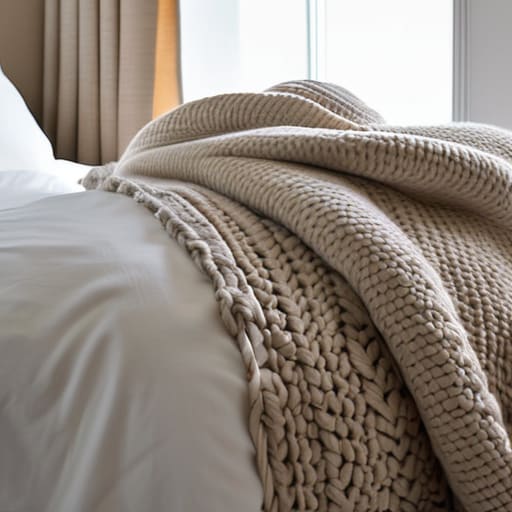
If you look closely at the beds in high-end boutique hotels, you’ll notice they never look “flat.” That’s because they aren’t just relying on a single layer of fabric; they are playing with depth. To replicate this, you need to embrace premium bedding textures that invite you to actually touch them. I’ve found that mixing materials is the quickest way to break up the visual monotony of a bedroom. Think about pairing smooth, crisp cotton sheets with a chunky, oversized knit throw or a linen duvet cover. That contrast between the sleek and the tactile is what creates that expensive, intentional feel without requiring a massive budget.
The real secret, though, lies in the arrangement. Instead of just laying everything flat, I like to focus on layering pillows for comfort and visual weight. Start with your standard sleeping pillows, then prop up a couple of larger European shams against the headboard to create a backdrop. This adds height and structure to the bed, making it look less like a place where you just crash and more like a curated sanctuary. It’s a small, repeatable habit that transforms the entire room from a mere sleeping area into a deliberate space for rest.
The Five-Minute Foundation: Small Tweaks for a High-End Feel
- Don’t overthink the pillow situation. Instead of just two flat pillows, layer in two large European shams at the back to create height. It gives the bed a structured, intentional look without requiring a professional decorator.
- The “Hospital Corner” trick isn’t just for soldiers; it works for your bedroom too. Tucking your flat sheet tightly under the mattress creates those clean, crisp lines that make a bed look expensive and well-maintained.
- Stop fighting with your duvet. If it looks flat or lifeless, it’s probably because it’s under-filled. I’ve found that using a slightly thicker down alternative insert—one size larger than your duvet cover—creates that plump, cloud-like silhouette you see in hotels.
- Use a heavy knit throw to break up the visual monotony. Drape it roughly across the foot of the bed rather than folding it perfectly. That bit of “intentional imperfection” adds a layer of warmth and texture that keeps the room from looking like a showroom.
- Clear the visual clutter from your nightstand. A luxurious bed feels more impactful when the surrounding space is calm. Keep only the essentials—a lamp, my notebook, and maybe a glass of water—so the focus stays on the textures of the bedding itself.
Building Your Sanctuary
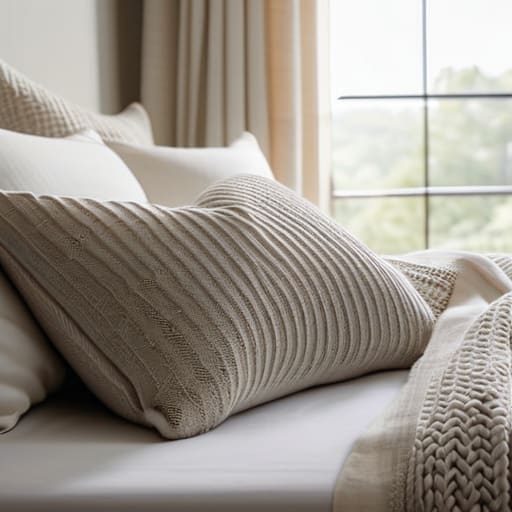
At the end of the day, creating a luxurious bed isn’t about following a strict design manual or buying every expensive item on a showroom floor. It’s about the intentional layering of high-quality, breathable sheets and the strategic use of varied textures to create depth. By focusing on a few well-chosen pieces—like a heavy knit throw or a set of premium pillows—you move away from the clutter of “stuff” and toward a cohesive, functional system. Remember, the goal isn’t to create a museum piece that you’re afraid to touch; it’s to build a reliable foundation for rest that makes the end of a long workday feel like a genuine reward.
I know how easy it is to let the small details slide when life gets loud and your to-do list starts expanding. But I’ve found that when I take those extra two minutes to smooth out the duvet and fluff the pillows, it changes my entire mental state. It’s a small, repeatable win that signals to my brain that the chaos of the day is over. Don’t aim for a perfect Pinterest photo; just aim for a space that feels intentional. You deserve a sanctuary that supports you, one simple layer at a time.
Frequently Asked Questions
Is it actually worth the extra money to invest in high-end sheets, or can I get a similar look with more affordable cotton blends?
Look, I’ve spent plenty of nights tossing and turning on cheap, scratchy blends, and honestly? It’s not worth the frustration. If you’re looking for that hotel feel, invest in 100% long-staple cotton or linen. You don’t need the most expensive designer brand, but you do need quality fibers that breathe. A decent set of high-quality sheets lasts longer and feels better every single night. To me, that’s just smart math for your sleep.
How do I keep my bedding looking crisp and intentional without spending an hour every morning re-making the bed?
The secret isn’t more effort; it’s about lowering the barrier to entry. I stopped trying to pull every hospital corner tight and started focusing on “the fluff.” When you wake up, just pull the duvet up to the headboard and give it a quick shake. If you use a heavier weight duvet, it naturally smooths out the wrinkles. It takes thirty seconds, but it creates that intentional, structured look without the morning struggle.
I struggle with keeping things tidy; are there specific ways to layer blankets that won't just end up looking messy by the end of the week?
The trick is to avoid “the pile.” If you just toss blankets on top, they’ll look like a laundry heap by Wednesday. Instead, try a structured layering system: keep your heavy duvet tucked tightly under the covers, and use a single, lightweight quilt or a weighted throw folded neatly across the foot of the bed. It creates visual depth without the bulk, and it’s much easier to straighten up when you’re tired.
What’s the best way to care for these premium textures so they don't lose their softness or look worn out after a few months?
The secret is to stop treating your laundry like a chore and start treating it like maintenance. Avoid high heat at all costs; it’s the fastest way to kill those fibers. I always use cold water and a gentle cycle with a mild, liquid detergent. Skip the fabric softeners—they actually coat the threads and make them less breathable. If you want that soft, lived-in feel without the wear, just air-dry them when possible.